English
 English

Iran hijab crackdown (Img: Google)
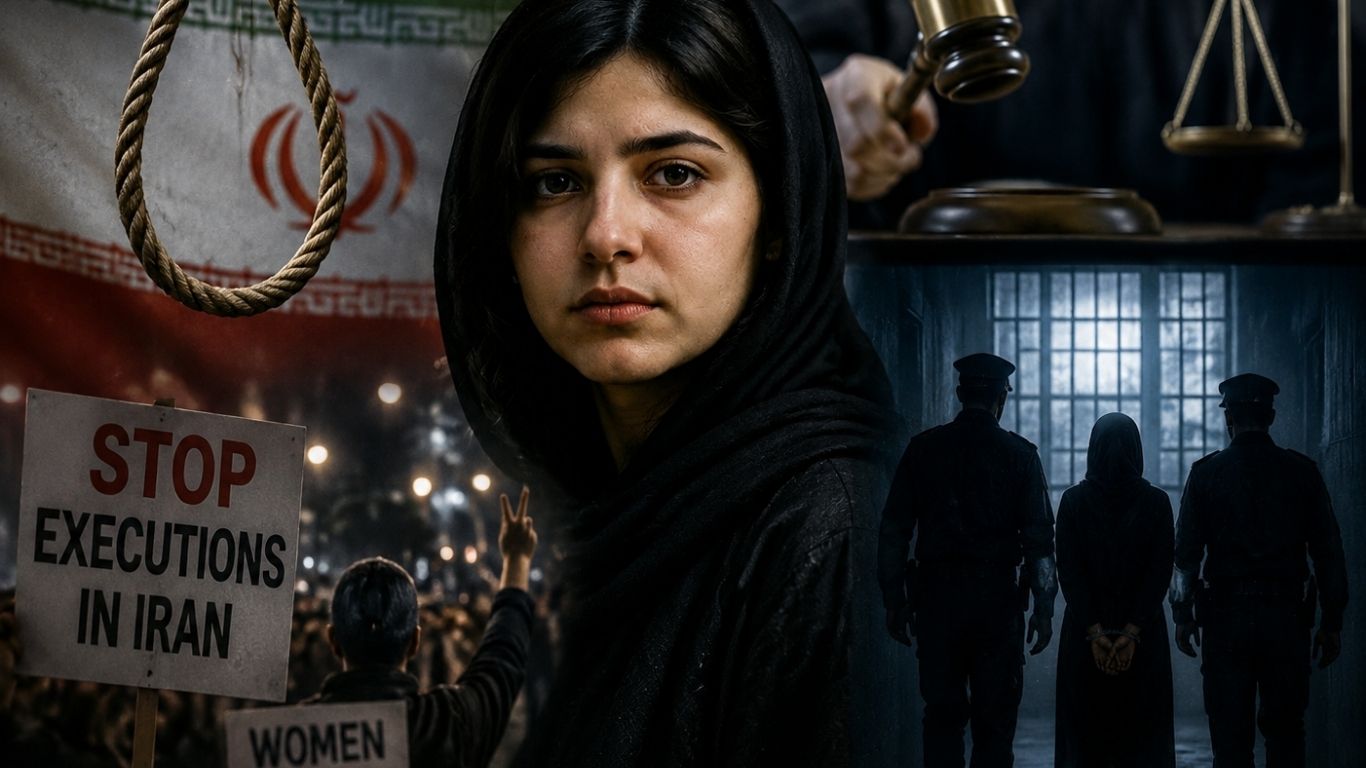
New Delhi: The decades-long debate over Iran’s mandatory hijab law has intensified again, with conservative leaders demanding stricter enforcement while authorities face growing public resistance and political divisions over the issue.
The renewed push comes amid a challenging period for Iran, following heightened tensions with the United States and ongoing social debates within the country. While enforcement appeared relatively relaxed during major national events, recent weeks have seen authorities take action against businesses accused of violating mandatory dress regulations.
According to human rights group HRANA, several cafes and restaurants in Tehran were reportedly shut down on July 19 for allegedly failing to enforce mandatory hijab rules.
The group also reported restrictions on some social media accounts linked to alleged violations of Iran’s public dress code regulations.
Authorities have cited reasons including violation of social norms, failure to maintain Islamic standards and promotion of what they describe as inappropriate public behaviour.
In another case, a clothing boutique was reportedly closed after allegations related to customers not wearing hijab.
The Tehran Prosecutor’s Office has warned cafes, restaurants and clothing stores against selling items considered inappropriate under Iran’s Islamic dress regulations.
Meanwhile, reports from Mehr News Agency stated that 10 cafes in South Khorasan province were closed over alleged violations of social norms and mandatory hijab requirements.
The latest crackdown comes nearly four years after the death of Mahsa Amini, whose detention and death in police custody triggered the nationwide “Woman, Life, Freedom” protest movement in 2022.
Amini was detained by Iran’s morality police over allegations of improper dress. Although the protests were suppressed by authorities, many young Iranian women have continued publicly challenging mandatory hijab rules.
Several high-profile incidents have kept the issue in the spotlight. Iranian singer Parastoo Ahmadi was reportedly sentenced to 74 lashes and banned from leaving the country for two years after appearing without covering her head and shoulders during an online performance in 2024.
Iranian President Masoud Pezeshkian has expressed doubts over whether strict legal measures can change people’s behaviour.
Pezeshkian has argued that cultural engagement may be more effective than forcing compliance through laws. He questioned whether authorities could truly change personal beliefs through punishment.
He also referred to differences with his own daughter over the issue, saying that enforcing beliefs through force was not a sustainable solution.
According to Pezeshkian, matters related to faith and personal values cannot simply be imposed through legal pressure.
Despite the president’s views, conservative groups and hardliners continue to demand strict implementation of hijab laws.
Hossein Shariatmadari, editor of the conservative newspaper Kayhan, has called enforcement a religious and legal responsibility.
Some lawmakers have also warned that what they describe as declining moral standards pose a threat to Iranian society.
Mohammad-Taghi Naghdali, an Iranian parliament member, reportedly linked social changes and dress code violations to broader concerns about national identity and religious values.
Under Iran’s Islamic Penal Code, appearing in public without the mandatory Islamic hijab is considered an offence, although the law does not provide a universally clear definition of the required dress standard.
A stricter law approved in 2024 increased penalties and expanded monitoring mechanisms, further intensifying the debate between government enforcement and individual freedoms.
As Iran continues to navigate political tensions and social changes, the hijab issue remains one of the country’s most divisive domestic debates.