 English
 English

Iran sends seven demands to America as Trump decision becomes global focus. (Img: Pinterest)
Tehran: Iran has reportedly sent seven demands to the United States for restarting diplomatic talks, putting the future of Tehran-Washington relations under global attention. The development comes amid rising tensions in the Middle East, with questions growing over whether both sides will return to negotiations or move towards another confrontation.
Iran’s Supreme National Security Council Secretary Mohsen Rezaei said Tehran has communicated its conditions through Qatar and is waiting for Washington’s response. The statement has intensified the debate over the next move by US President Donald Trump as the conflict situation remains uncertain.
According to Mohsen Rezaei, Iran has outlined seven conditions that it considers necessary before restarting negotiations with America. The Iranian official said Tehran wants an end to military actions on all fronts, the release of frozen Iranian funds and an end to restrictions linked to maritime activities.
Iran believes accepting these conditions could create a pathway for diplomacy and reduce tensions between the two countries. However, Washington’s response to these demands is expected to play a major role in determining the future direction of the crisis.
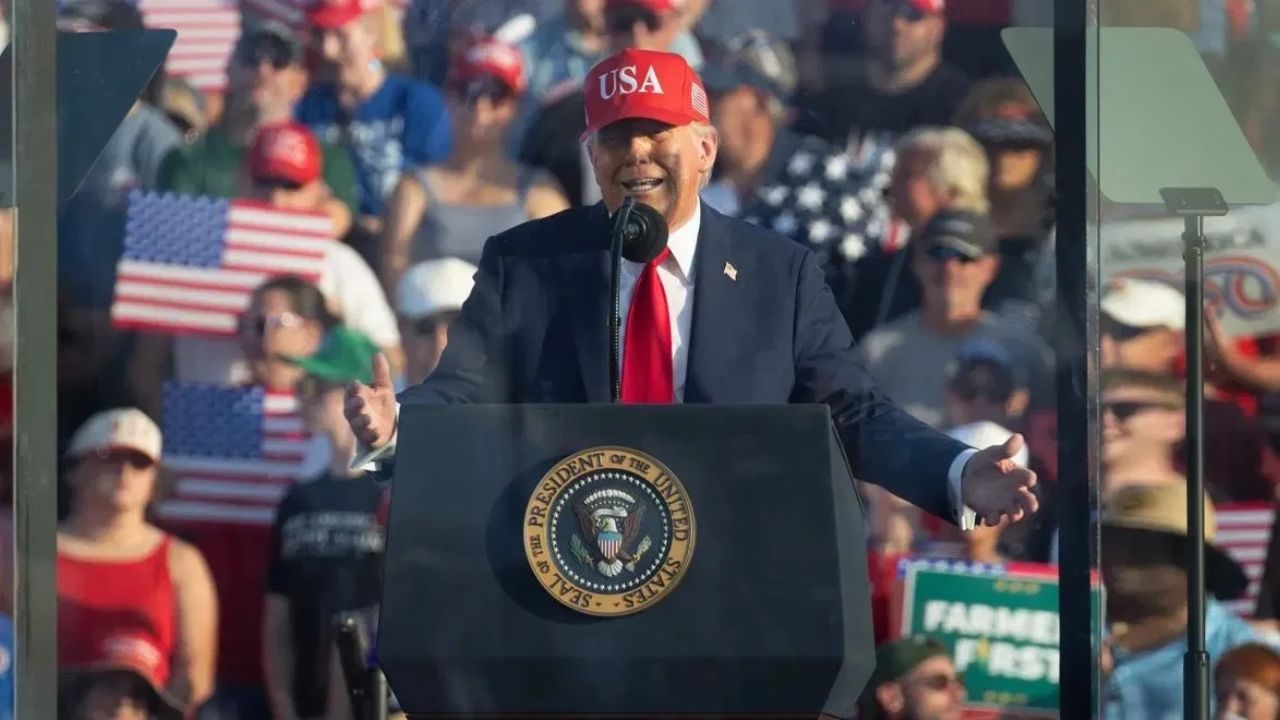
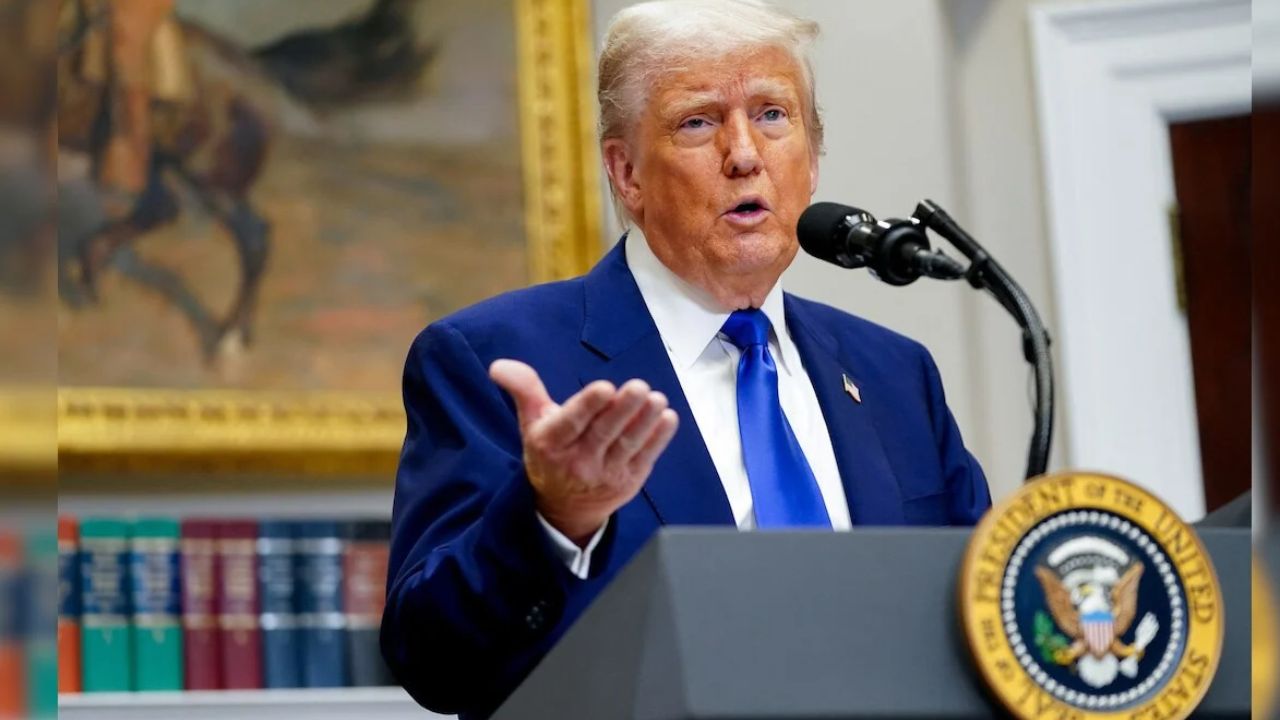
The latest message from Tehran comes at a crucial time for the US administration. Donald Trump has indicated that major decisions regarding Iran are under consideration as Washington evaluates its options. The situation has created uncertainty over whether the US will focus on diplomatic engagement or continue applying pressure on Tehran.
Any major shift in US policy could impact regional security, international energy markets and relations between global powers involved in the Middle East.
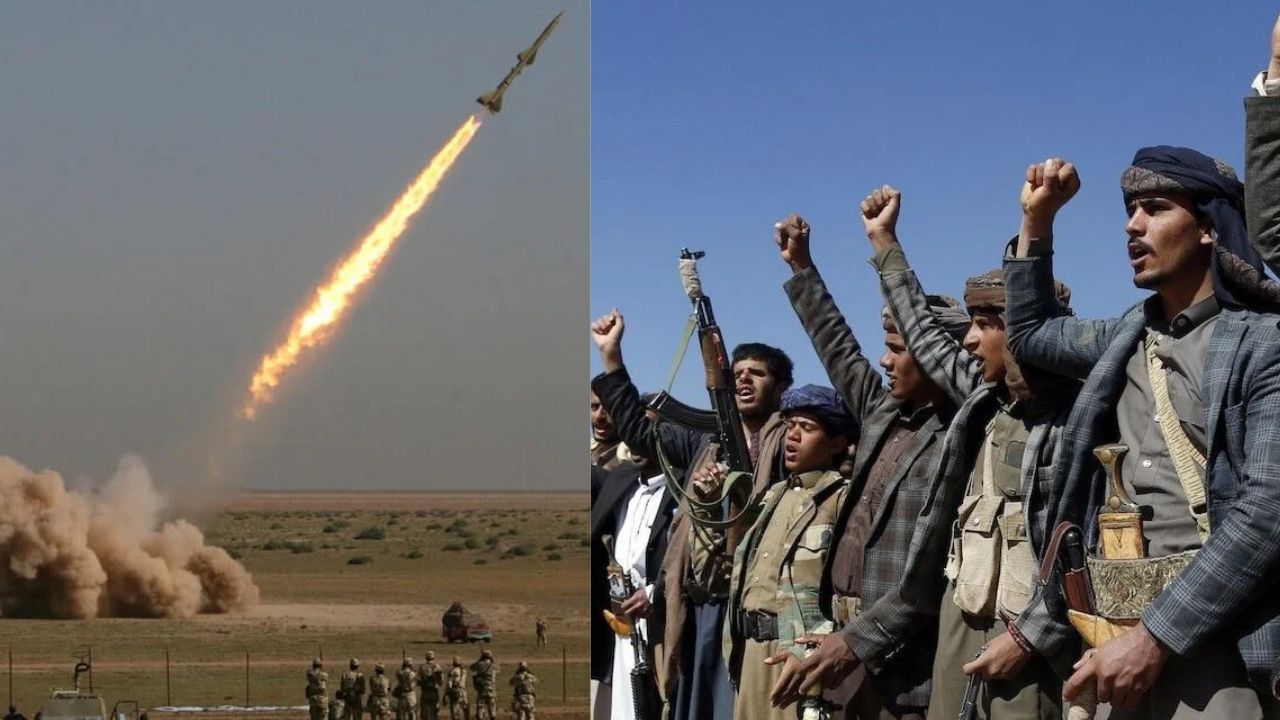
While Iran has kept the possibility of talks open, Tehran has also warned that it is preparing for potential military escalation. Rezaei said Iran has changed parts of its defence planning and is focusing on strategic locations including the Gulf region, Gulf of Oman and the Arabian Sea.
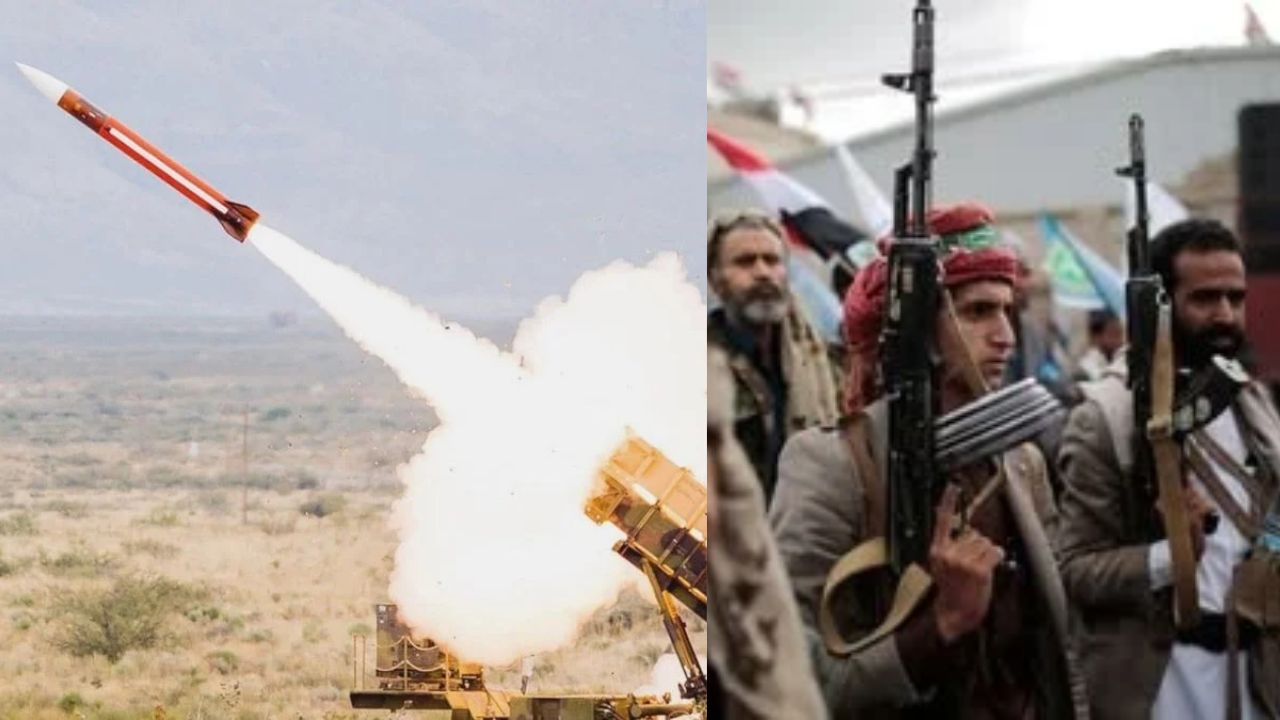
Iran has claimed that it recently tested an anti-ship missile system near US naval assets. The Iranian official also warned that any future response could involve American military bases and commercial interests in the region.
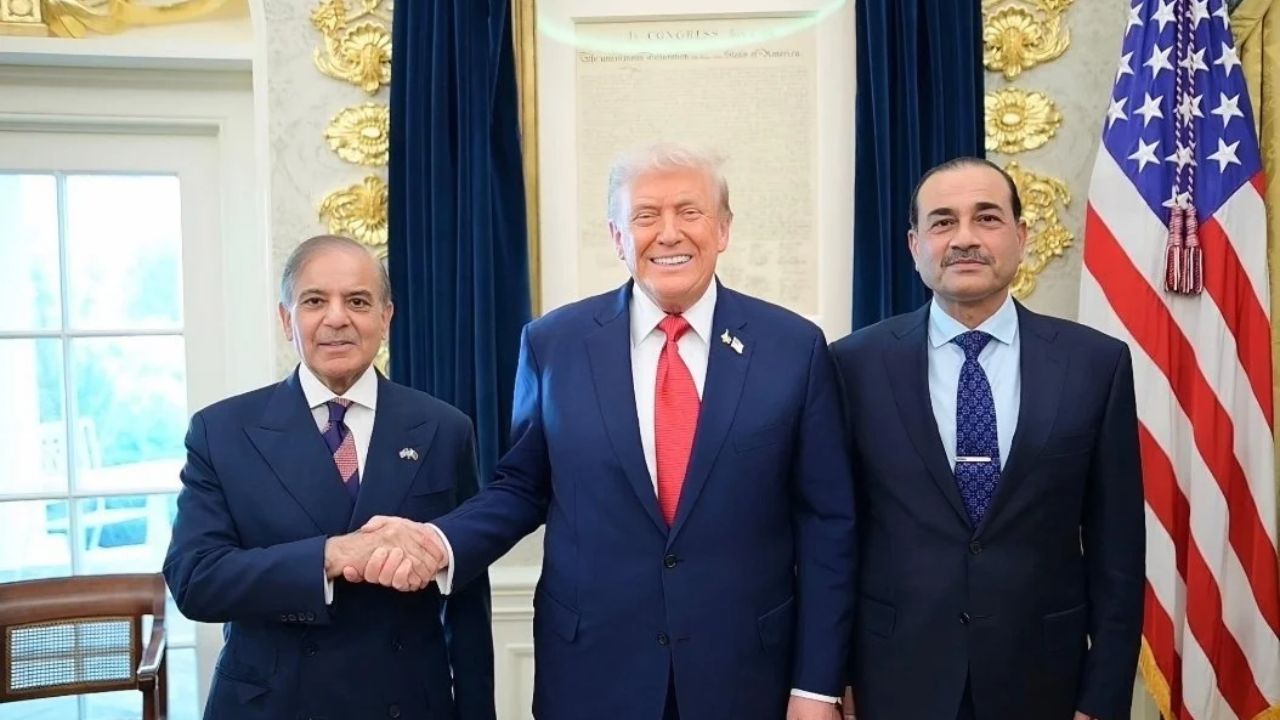
Regional diplomacy has become a key factor as tensions continue between Washington and Tehran. Qatar has reportedly acted as a communication channel between Iran and the US, while Pakistan has also been involved in efforts aimed at encouraging dialogue.
Experts tracking international affairs say indirect negotiations often become important during major geopolitical crises when direct communication between rival nations becomes difficult.
The nuclear programme remains one of the biggest challenges in US-Iran relations. Rezaei said Iran has not decided to withdraw from the Nuclear Non-Proliferation Treaty but warned that additional sanctions or further international pressure could influence Tehran’s future decisions.
The United States and its allies have expressed concerns over Iran’s nuclear activities, while Tehran has maintained that its programme serves peaceful purposes.
Another major issue linked to the Iran crisis is the Strait of Hormuz, a critical energy route connecting the Persian Gulf with global markets. Iran has highlighted the importance of the waterway, where any disruption could affect oil supplies, shipping operations and global energy prices. Rezaei said Iran and Oman had earlier moved close to an understanding over the Strait of Hormuz issue before discussions were halted.
The diplomatic developments are taking place alongside international scrutiny over actions during the conflict. A UN fact-finding mission, according to reports, examined allegations related to military operations and civilian impact.
The report raised concerns regarding two US strikes in Iran, while American officials rejected the findings and said military operations follow international law. The same investigation also examined Iran’s response to domestic protests and reported allegations of human rights violations. Iranian authorities have rejected criticism regarding their actions.
The coming days could prove important for the future of Iran-US relations. A positive response from Washington could open the door for renewed negotiations, while continued disagreements may increase tensions between the two countries. With global markets, regional security and diplomatic relations closely linked to the crisis, Trump’s next move is expected to influence the direction of the Iran-US standoff.