English
 English

Andy Burnham, credit:X
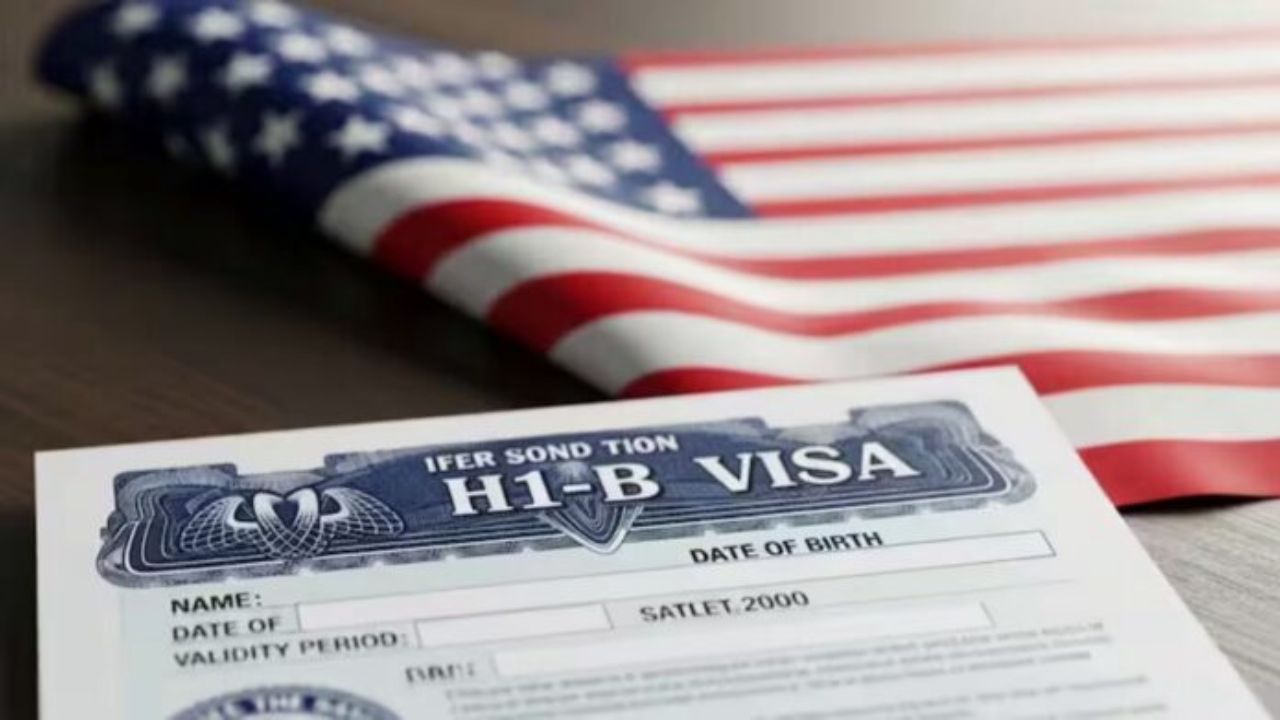
London: Andy Burnham, the new UK Prime Minister, will apparently kill outgoing PM Keir Starmer’s Digital ID cards scheme as part of the incoming government’s plan to “reset” priorities, according to documents released by Burnham’s team at their latest rollout of what’s next from the new government. He will take office at No. 10 on Monday, July 20, 2026 — and won’t let the ID scheme go ahead, the Guardian reports on Saturday on information released by Burnham’s team. Instead, he intends to spend the money earmarked for it on ‘relieving the cost of living’.
As pointed out by analysts, this could be an effort by his incoming government to keep distance from the unpopular decisions of his predecessor. And when the plan for a digital ID was first announced last year, the parent petition received 3 million total signatures.
A Burnham spokesman said the government's primary focus was to consider what people really needed now, giving them breathing space and making real changes to everyday life. He said the money and time that have been earmarked for the national ID scheme have now been repurposed for cost-of-living support and similar measures. The government also wants to return power to local communities instead of placing it all in Whitehall, aiming to create hope and growth across the country.
The amount of money that this decision will save is still unclear, as the Starmer government did not give a proper budget for the ID scheme in the first place. The Office for Budget Responsibility had pegged the cost savings to be up to £1.8bn, but the government rejects this,
Starmer first raised the digital ID card last September, describing it as a way to clamp down on illegal working, with a launch set for 2029. He said the so-called "Brit card" would become the de facto card anyone had to show if proving they were legally entitled to work in the UK, amid growing concerns over illegal immigration. The card would identify a person by name, date of birth, nationality and residency status, and it would also have a photo. Starmer said it was a huge opportunity for the UK and would make illegal working more difficult and secure external borders.
Actually, that was the same plan that opposition and media backlash had pushed aside back when Tony Blair was in government – similar legislation was passed under Blair and his government in 2006, and privacy campaigners were quite yowling at the time. The plan never really launched, and the coalition government eventually pulled the plug on it in 2011.
Given that history, the Tony Blair Institute had been one of the biggest backers of Starmer's plan. Its director of government innovation, Alexander Iosad, said that a universal digital ID system to help make public services better would be one of the most important steps any government could take to make the lives of citizens easier and build public trust.
But the scheme received some soundbites from opposition politicians and civil rights bodies, with MP David Davis, a Conservative, decrying that "no system is 100% foolproof" and that governments, and even tech giants, "have failed billions of people to keep their personal data safe", so Whitehall would be no different. Brown's own Tory boss, Kemi Badenoch, made no public comment on the policy move, calling it a "throwaway" to distract the focus from her own "masterclass of political manoeuvring", bid young Burnham.