 English
 English
This deal is considered part of Pakistan’s strategy to expand its arms sales and military influence in Arab and African countries. Previously, Pakistan primarily provided training to the armed forces of Arab nations, but now it is moving towards directly selling weapons and fighter jets.
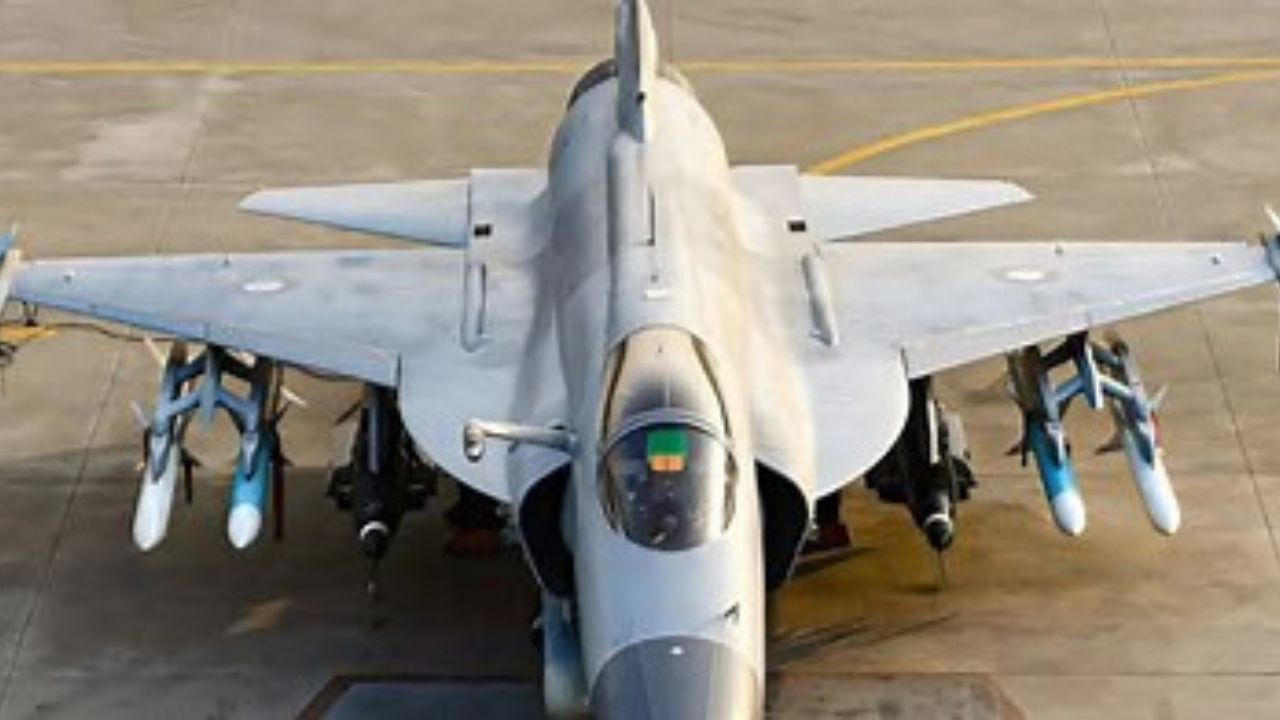
Pakistan plans arms sales to war-torn Sudan
New Delhi: From Saudi Arabia to Sudan and Libya, Pakistan's military presence and arms reach are steadily expanding. According to recent reports, Pakistan is preparing to sell fighter jets and weapons to Sudan. This deal could not only impact the Sudanese civil war but also reshape Pakistan's role in the Arab world.
Pakistan and Sudan are negotiating a deal worth approximately $1.5 billion. According to a Reuters report, the agreement could be finalized soon. Sudan has been engulfed in a civil war for nearly three years, with fighting between the army and the paramilitary Rapid Support Forces (RSF). Thousands have been killed and millions displaced in the conflict. The RSF has faced serious allegations of sexual violence against women and children.
This deal is considered part of Pakistan's strategy to expand its arms sales and military influence in Arab and African countries. Previously, Pakistan primarily provided training to the armed forces of Arab nations, but now it is moving towards directly selling weapons and fighter jets.
Military Partnership with Saudi Arabia
The foundation of Pakistan's growing military presence is linked to the 'Strategic Mutual Defense Agreement (SMDA)' with Saudi Arabia. This agreement was signed last September. Following this, reports emerged that Saudi Arabia was showing interest in Pakistan's JF-17 Thunder fighter jets.
Although Saudi Arabia already possesses state-of-the-art fighter jets from the US and Europe and is also acquiring modern jets like the F-35, experts say that in the changing global landscape, Saudi Arabia wants to diversify its defense partners. Pakistan is considered a reliable partner, especially due to its strong defense cooperation with China.
Why is the JF-17 attractive?
The JF-17 Thunder is a lightweight, multi-role fighter aircraft jointly developed by Pakistan and China. It is manufactured jointly by the Pakistan Aeronautical Complex and China's Chengdu Aircraft Company. Its new Block-3 version features modern radar, electronic warfare systems, and the capability to fire long-range missiles.
A single JF-17 costs approximately $25 to $30 million, which is significantly less than Western fighter jets. This makes it an affordable option for countries with limited budgets. The aircraft gained further attention after the limited military confrontation between India and Pakistan in May 2025, as it was considered to have been tested in combat.
Sudan, Libya, and a delicate balance
According to reports, Pakistan is preparing to supply JF-17s to the Sudanese army. There are also reports of arms deals with rebel leader Khalifa Haftar in Libya. The problem is that several countries in the Arab world support different factions. In Sudan, Saudi Arabia is considered to be aligned with the army, while the UAE has been accused of supporting the RSF. Experts say Pakistan will have to tread very carefully, as the same type of weapons reaching opposing sides could damage diplomatic relations.
Pakistan is still one of the world's largest arms importers, but its defense exports have increased rapidly. According to data from Pakistan's central bank, arms exports increased from $13 million to over $400 million in 2022-23.
It is estimated that current and potential deals related to the JF-17 could earn Pakistan up to $13 billion. This could provide significant relief to its foreign exchange reserves. However, some experts believe that while these deals are currently being discussed extensively, it remains to be seen how many will actually be finalized.
The changing global arms politics
The world is now moving towards a multipolar arms market. The US is the largest arms exporter, while China is rapidly increasing its market share. Experts believe that aircraft like the JF-17 are not directed against any particular country, but rather serve to increase options for nations. The US also does not view this negatively, as the responsibility for regional security is increasingly being shifted to local partners.