English
 English

UK invites India for talks on reopening of Strait of Hormuz
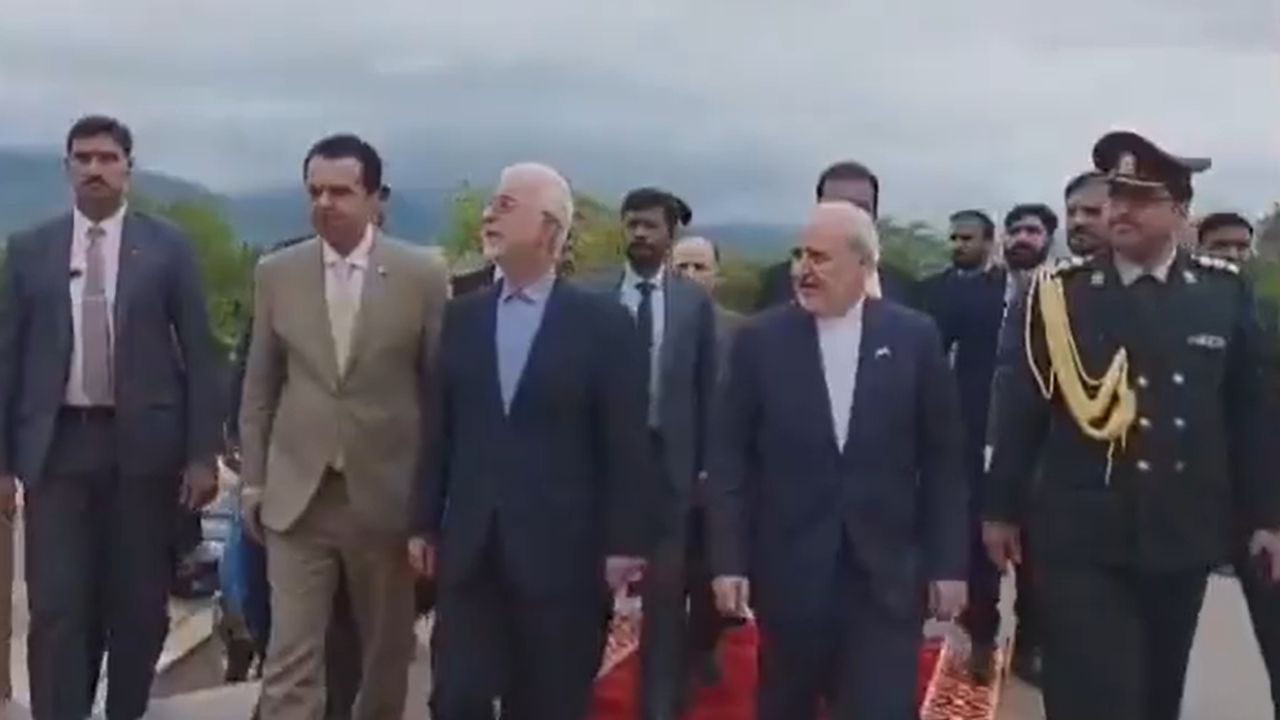
New Delhi: The United Kingdom has invited India to participate in high-level discussions on reopening the strategically vital Strait of Hormuz, as tensions in West Asia continue to disrupt global energy supplies.
The development was confirmed by the Ministry of External Affairs (MEA), which stated that India’s Foreign Secretary will represent the country at the meeting.
The upcoming talks, to be chaired by British Foreign Secretary Yvette Cooper, are expected to bring together representatives from around 35 countries, including France, Germany, Italy, Canada, and the United Arab Emirates.
BREAKING: UK invites India for talks to open Strait of Hormuz blockade, Foreign Secretary Vikram Misri will attend the multi-nation talks.#IranWar #ukindia #straitofhormuz @VikramMisri #westasiaconflict
— Dynamite News (@DynamiteNews_) April 2, 2026
Notably, the United States will not be part of the discussions. The meeting comes shortly after US President Donald Trump suggested that countries dependent on the route should take responsibility for ensuring its reopening.
British Prime Minister Keir Starmer said the discussions would explore all diplomatic and political options to restore safe navigation through the strait, particularly once a ceasefire is achieved.
He acknowledged that reopening the route would be complex, requiring coordinated international efforts, including both diplomatic engagement and possible security arrangements.
The Strait of Hormuz is one of the world’s most critical energy corridors, handling nearly 20 per cent of global oil supply.
For India, the route is especially crucial. Around 40–50 per cent of its crude oil imports pass through the strait. The dependence is even higher for liquefied petroleum gas (LPG), with nearly 90 per cent of imports transiting this narrow waterway.
Any disruption in this corridor poses a direct threat to India’s energy security and supply stability.
The current disruption follows heightened tensions involving Iran and the United States, along with Israeli military actions in the region. Iran has reportedly restricted access to the strait in response to the conflict that escalated in late February.
US to exit Nato? Trump calls alliance ‘paper tight’ as bloc dithers on joining Iran war
As a result, oil and LPG shipments have faced delays, with vessels navigating under increased surveillance and, in some cases, naval escorts. The situation has also contributed to rising global energy prices.
With the Strait of Hormuz remaining partially blocked, countries worldwide are under pressure to stabilise supply chains and prevent further economic fallout.
India’s participation in the talks underscores its strategic interest in ensuring uninterrupted energy flows and maintaining stability in one of the world’s most critical maritime routes.