English
 English

The move comes in response to growing concerns over aviation risks linked to the Iran conflict
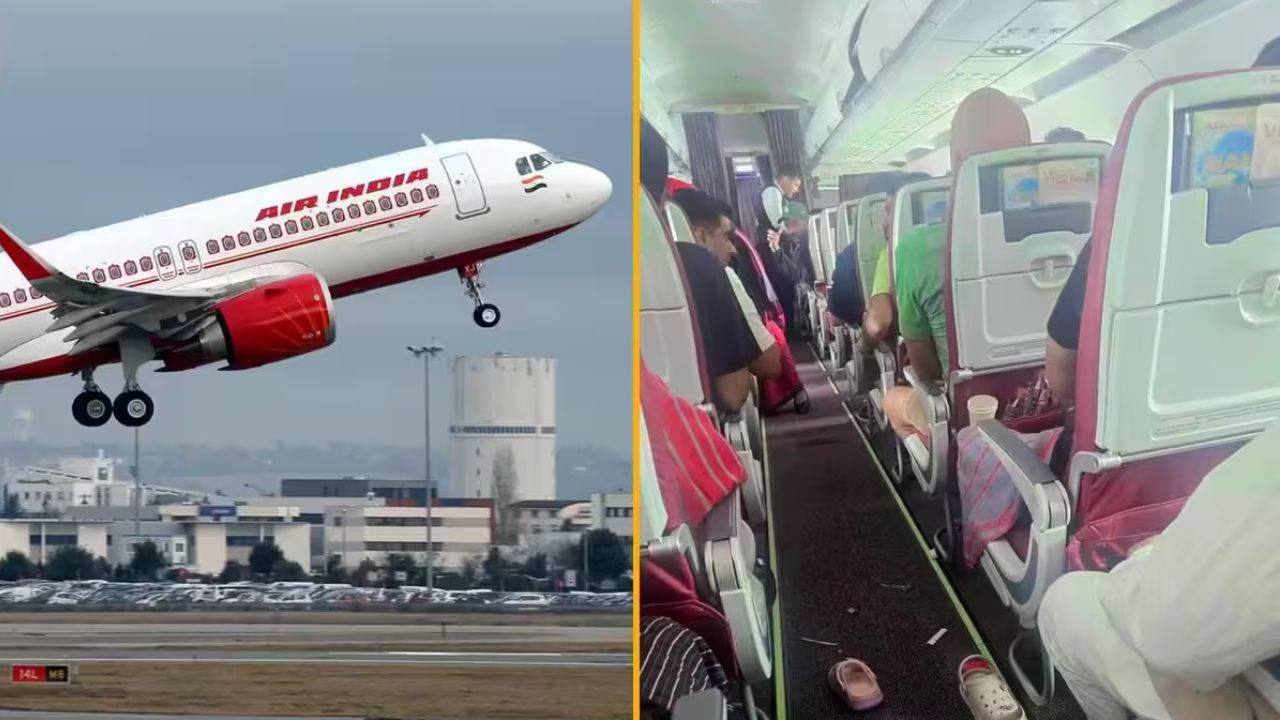
New Delhi: Amid escalating tensions in West Asia, the Directorate General of Civil Aviation (DGCA) has directed Indian airlines to avoid certain high-risk airspaces and enhance safety preparedness. The move comes in response to growing concerns over aviation risks linked to the ongoing Israel-Iran conflict.
According to the advisory, airlines have been asked to refrain from operating in the airspaces of Bahrain, Iran, Iraq, Israel, Jordan, Kuwait, Lebanon, Qatar, and the United Arab Emirates. The regulator emphasised that these regions currently pose significant risks due to heightened military activity.
Israeli PM Netanyahu says Iran has ‘no capacity’ to enrich uranium, denies ‘dragging’ US into war
Airlines have been advised to avoid these airspaces across all altitudes unless a thorough safety assessment justifies operations.
The DGCA has allowed limited operations over Oman and Saudi Arabia under strict conditions. Airlines have been instructed not to operate below 32,000 feet in specified zones within these airspaces, ensuring a safer flight path above potential risk areas.
These restrictions are aimed at minimising exposure to any unforeseen threats during transit.
The aviation regulator has stressed the importance of robust contingency planning for flights operating near or into affected regions. Airlines must prepare for all possible scenarios, including sudden airspace closures or emergency diversions.
Operators have also been directed to keep flight crews updated with the latest NOTAMs (Notices to Airmen), which provide real-time information on airspace restrictions and safety conditions.
US loses 16 aircraft in Iran conflict, including 10 Reaper drones: Report
The DGCA stated that the directive is effective immediately and will remain in force until March 28, unless revised based on evolving developments.
The regulator highlighted that recent military actions involving the United States and Israel, along with Iran’s retaliatory stance, have created a high-risk environment for civil aviation. Authorities continue to monitor the situation closely to ensure passenger safety.