English
 English

India Flags ISI Push To Revive Homegrown Kashmir Militancy (Img: IANS)
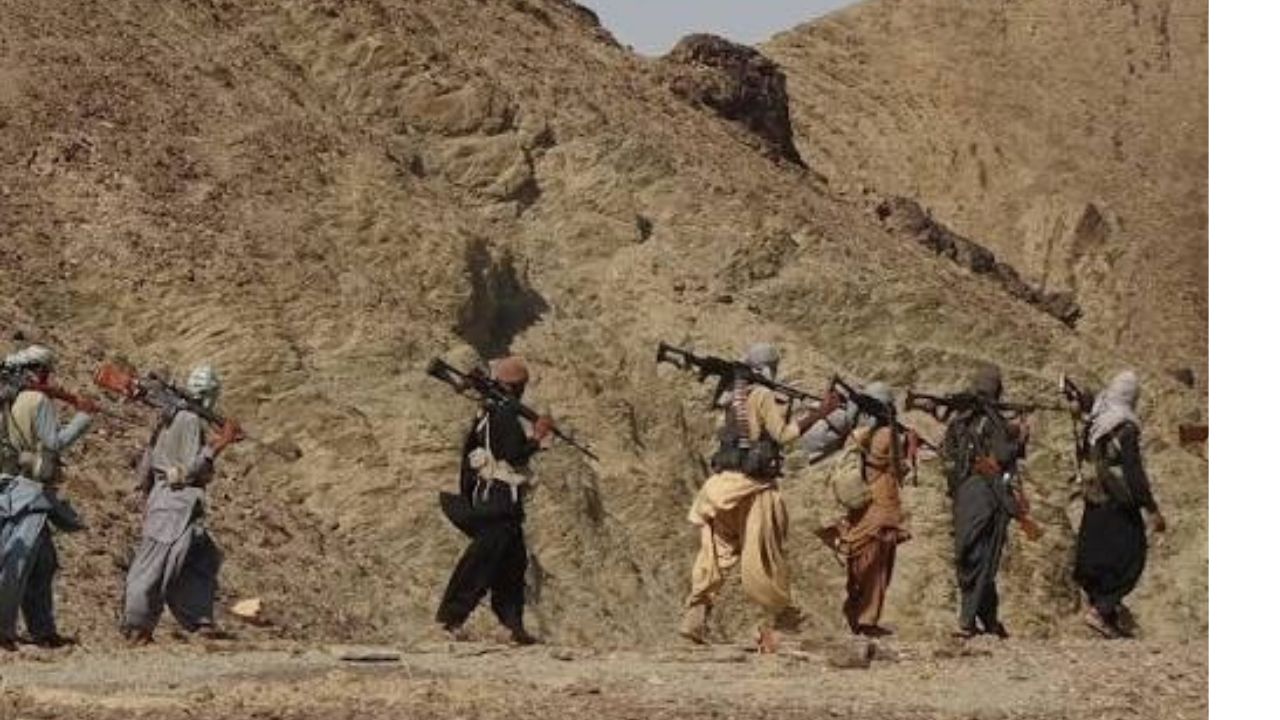
New Delhi: The recent reshuffle within the Pakistan's Inter-Services Intelligence (ISI) has reportedly placed hardliners in key positions. This has alerted Indian intelligence agencies to assess that revival of terrorist activities in Jammu and Kashmir could be among their priorities.
As per intelligence inputs, the ISI is reassessing its strategy in Jammu and Kashmir after what officials describe as limited success by proxy outfits formed following the death of Hizbul Mujahideen commander Burhan Wani in 2016.
Indian officials believe the ISI may now seek to cultivate a charismatic local figure capable of attracting Kashmiri youth towards militancy.
Following Wani’s death, the ISI created proxies including The Resistance Front and People’s Anti Fascist Front (PAFF), they work as fronts for Lashkar-e-Taiba and Jaish-e-Mohammed, respectively.
The ISI also trying to portray attacks in Jammu and Kashmir as locally driven. On October 7, 2021, The Resistance Front claimed responsibility for the killing of two government school teachers in Srinagar.
As part of the strategy, the ISI moved away from Arabic and explicitly religious names for terror groups. Names such as The Resistance Front and PAFF were adopted for groups operating in Jammu and Kashmir. Terrorists were described as freedom fighters.
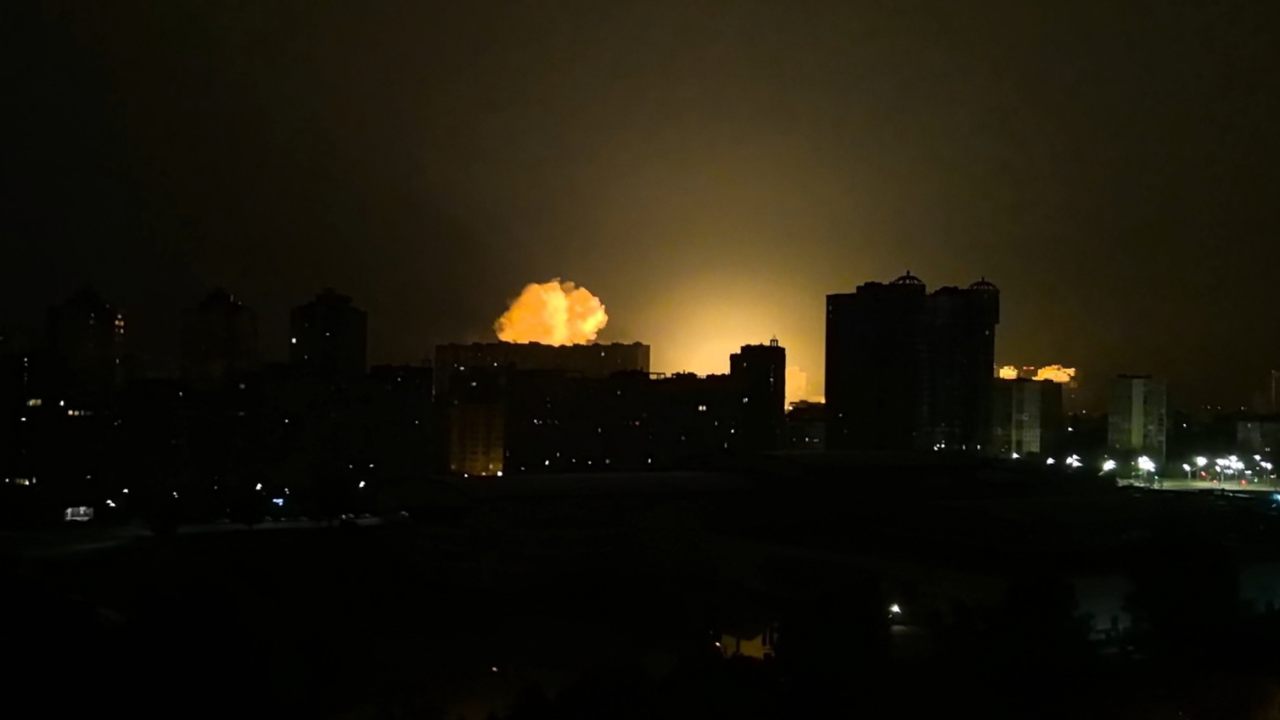
Also Read: Russia Expands Ukraine Strikes to Data Centres, Disrupting Internet Services in Kyiv
An official said the situation had changed significantly following the abrogation of Article 370. Indian security forces subsequently dismantled several terror networks in Jammu and Kashmir. Officials also pointed to increased tourism and rising incomes as developments that changed perceptions among sections of the local population.
An Intelligence Bureau official said the post-Wani strategy was no longer delivering the desired results.
“Despite all the claims, everyone realised that, be it The Resistance Front or the PAFF, they were Pakistani by origin and proxies of the Islamabad-funded Lashkar-e-Taiba and Jaish-e-Mohammed,” the official said.
According to officials, the new ISI leadership could make significant changes to its Jammu and Kashmir strategy, with the “Burhan Wani model” being considered because of its earlier ability to attract local recruits.
“The biggest problem for the ISI today is homegrown recruitment. The recruitment model during the Wani days was probably the most successful. It saw a large number of youth joining the Hizbul Mujahideen, and this had become a nightmare for the security agencies,” the official said.
Another official said creating another Burhan Wani would also fit with an alleged ISI plan to revive Hizbul Mujahideen, described by the official as a thoroughly homegrown outfit.
“The ISI wants to reduce the presence of Pakistani terrorists by a lot and would prefer to have a module that is all Kashmiri,” the official said.
Officials said Wani’s popularity on social media had played a significant role in his ability to attract young recruits.
“Wani had become a social media star. His images were sufficient for many youth to take up arms and be part of the Hizbul Mujahideen. There was not much scouting to be done, and even the radicalisation classes were not necessary, thanks to the presence of Wani,” the official said.
Also Read: ‘Trump Strait’: Trump Renames Hormuz As Iran Links Reopening To US Concessions
According to the officials, Wani’s influence extended beyond recruitment, with his messages also allegedly helping coordinate protests and stone-pelting incidents in Jammu and Kashmir.
The ISI has reportedly factored these elements into its assessment of how a locally rooted militant network could be rebuilt. Officials believe a figure with similar appeal could help attract youth and create a predominantly homegrown militant structure.
“India’s changed doctrine of treating every act of terror as an act of war and not a cross-border strike has necessitated this decision by the ISI to have a fully homegrown outfit in Jammu and Kashmir. The ISI feels that bringing back the Burhan Wani style of terror and reviving the Hizbul Mujahideen is their best bet for now,” an official said.