English
 English

Delimitation will not be based on 2011 census
New Delhi: The Union government has convened a three-day special session of Parliament beginning April 16, 2026, setting the stage for a heated political showdown.
At the heart of the session are three significant legislative proposals-the Constitution (131st Amendment) Bill, the Delimitation Bill 2026, and the Union Territories Laws (Amendment) Bill-each with the potential to substantially reshape India’s electoral structure and representation system.
The proposed delimitation exercise has become the focal point of political contention.
Opposition parties have raised strong objections, arguing that changes to seat allocation, combined with the implementation of women’s reservation, could diminish the representation of southern states in the Lok Sabha. The government, however, has rejected these claims and signaled readiness to defend its proposals.
Delimitation Beyond the 2011 Census
According to government sources cited in media reports, the upcoming delimitation will not rely solely on the 2011 Census. Instead, a new formula is expected to guide the redistribution of Lok Sabha seats, aiming to expand representation for all states.
This approach could result in a significant increase in parliamentary seats-by as much as 50% in several states-ensuring that each state receives more representation than it would under a strictly population-based model derived from 2011 data.
For example, Tamil Nadu’s Lok Sabha seats could rise from 39 to 59 under the proposed formula. By contrast, a delimitation strictly based on the 2011 Census would have increased its tally only to around 49.
Projected Seat Expansion Across States
Preliminary estimates suggest substantial increases in representation across major states:
The total strength of the Lok Sabha could be expanded significantly, with a proposed cap of up to 850 seats—well above the current limit of 550 (with 543 elected members at present).
These figures, however, remain indicative and subject to final legislative approval.
Concerns Over Regional Balance
Critics argue that if delimitation were conducted purely on population figures from the 2011 Census, southern states could see their share of representation decline by roughly 4% compared to northern states. Opposition leaders warn that even with an expanded House, regional imbalances may persist.
Political parties opposing the move have described the proposal as potentially harmful to federal balance, claiming it could weaken the voice of smaller and more demographically stable states.
Opposition Pushback Intensifies
Opposition parties have announced plans to vote against the constitutional amendment linked to delimitation. They contend that the proposal risks undermining equitable representation across regions.
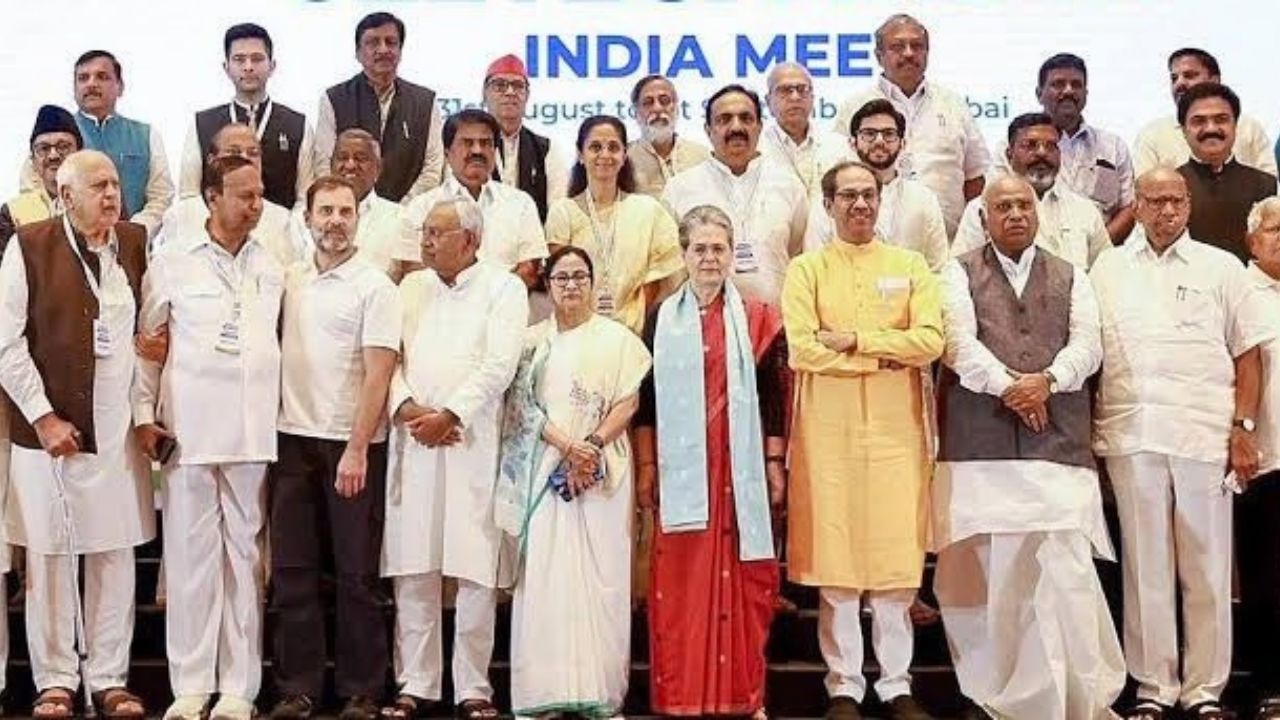
Senior Congress leader Rahul Gandhi criticized the move sharply, calling it “anti-national.” He also urged the government to prioritize the implementation of 33% reservation for women in the Lok Sabha based on the current strength of 543 seats, in line with provisions passed in 2023.
As Parliament convenes, the proposed reforms are set to trigger intense debate, with far-reaching implications for India’s democratic framework and political balance.