 English
 English
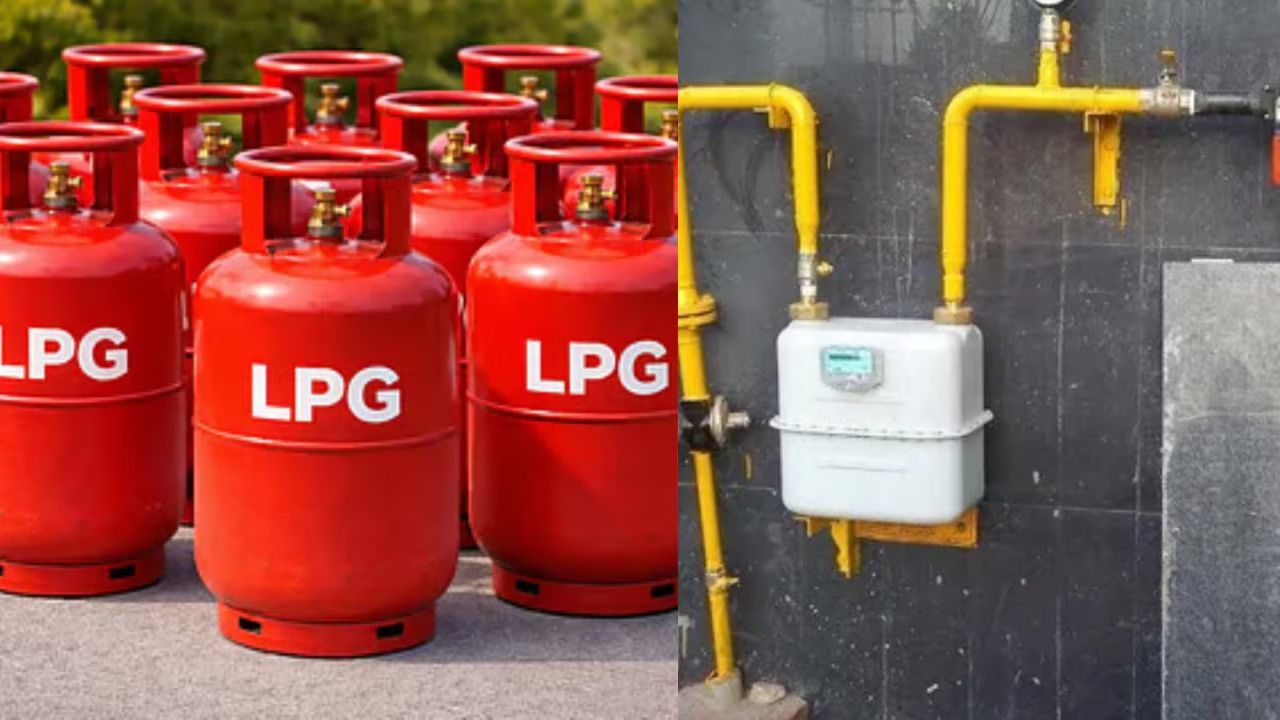
Amid rising concerns over LPG supply, the Ministry of Petroleum and Natural Gas has directed households with Piped Natural Gas (PNG) connections to surrender their domestic LPG connections. The move aims to streamline cooking fuel distribution and ensure better availability for households without PNG access.
Households with PNG Must Give Up LPG Connections
New Delhi: Amid growing concerns about LPG supply in the country, the central government has taken a major step. The Ministry of Petroleum and Natural Gas has issued a new directive stating that households with both piped natural gas (PNG) and domestic LPG connections will be required to surrender their LPG connections. The government states that this move aims to better manage the supply of domestic cooking gas and ensure its availability to consumers in need.
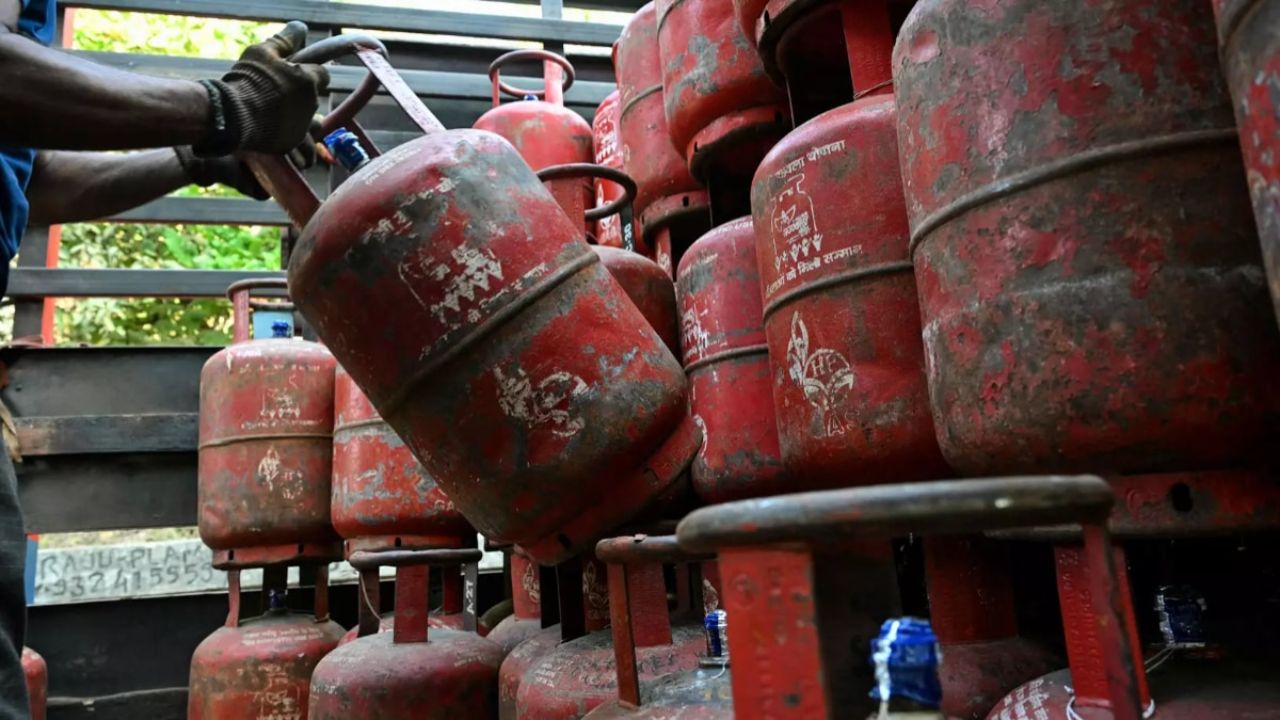
In a notification issued on Saturday, the Ministry of Petroleum and Natural Gas stated that households with existing PNG connections will no longer be able to refill LPG cylinders. Such consumers will be required to surrender their LPG connections immediately.
The government has also clarified that PNG consumers will not be able to obtain new LPG connections in the future. This rule has been implemented under an amendment to the LPG (Supply and Distribution Regulation) Order.
According to government officials, this decision has been taken to better manage the availability of domestic cooking gas. In many cities, households maintain LPG connections despite having PNG, putting additional pressure on supply.
The government believes this arrangement will make LPG cylinders more easily accessible to consumers who do not have access to piped gas.
This decision comes at a time when the ongoing conflict in West Asia has increased uncertainty in global energy markets. Escalating tensions between Iran, the United States, and Israel are impacting oil and gas supplies.
India relies heavily on imports to meet its energy needs, so any supply disruption in the Gulf region could directly impact the domestic market.
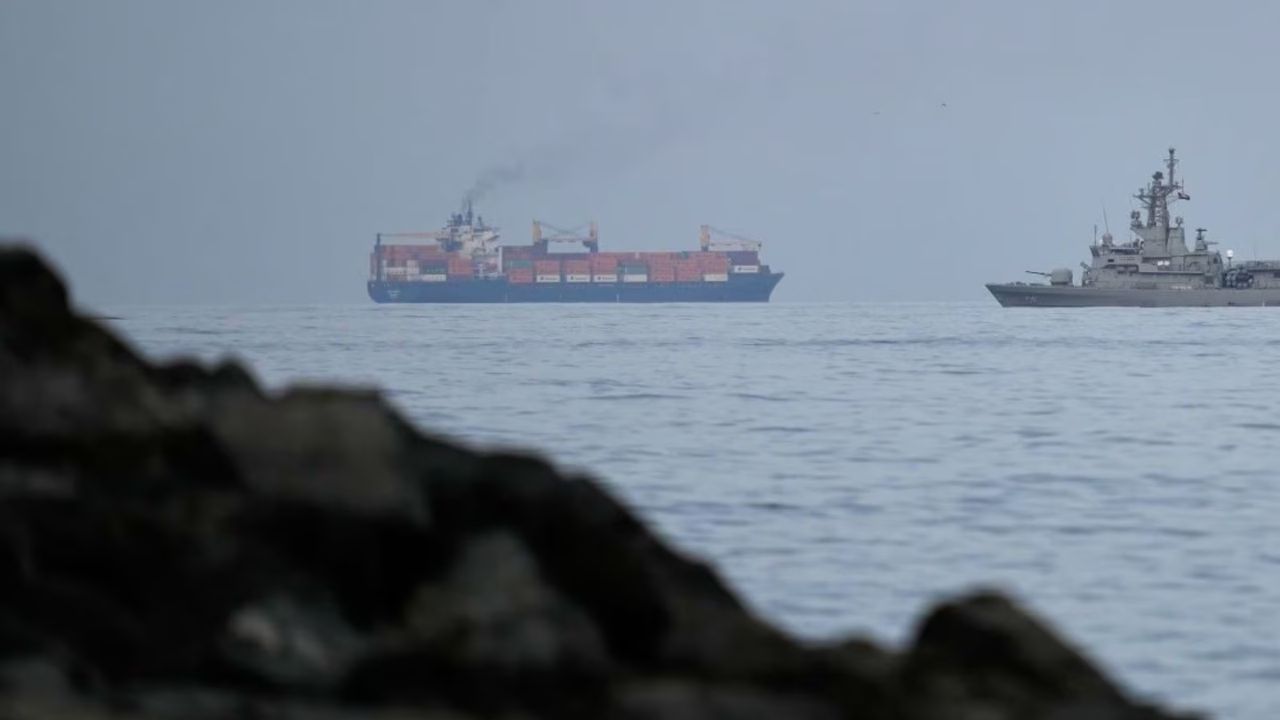
Recently, Iran confirmed that some Indian ships have been allowed to pass through the Strait of Hormuz. This sea route is considered one of the world's most important energy routes, carrying a significant portion of global oil supplies.
India imports approximately 60 percent of its LPG needs, a significant portion of which comes from Gulf countries. Any disruption in this route could impact the country's energy supply and prices.