English
 English

ISI’s New Playbook Targets Military Secrets Through Impersonation Networks (Img: Dynamite News)
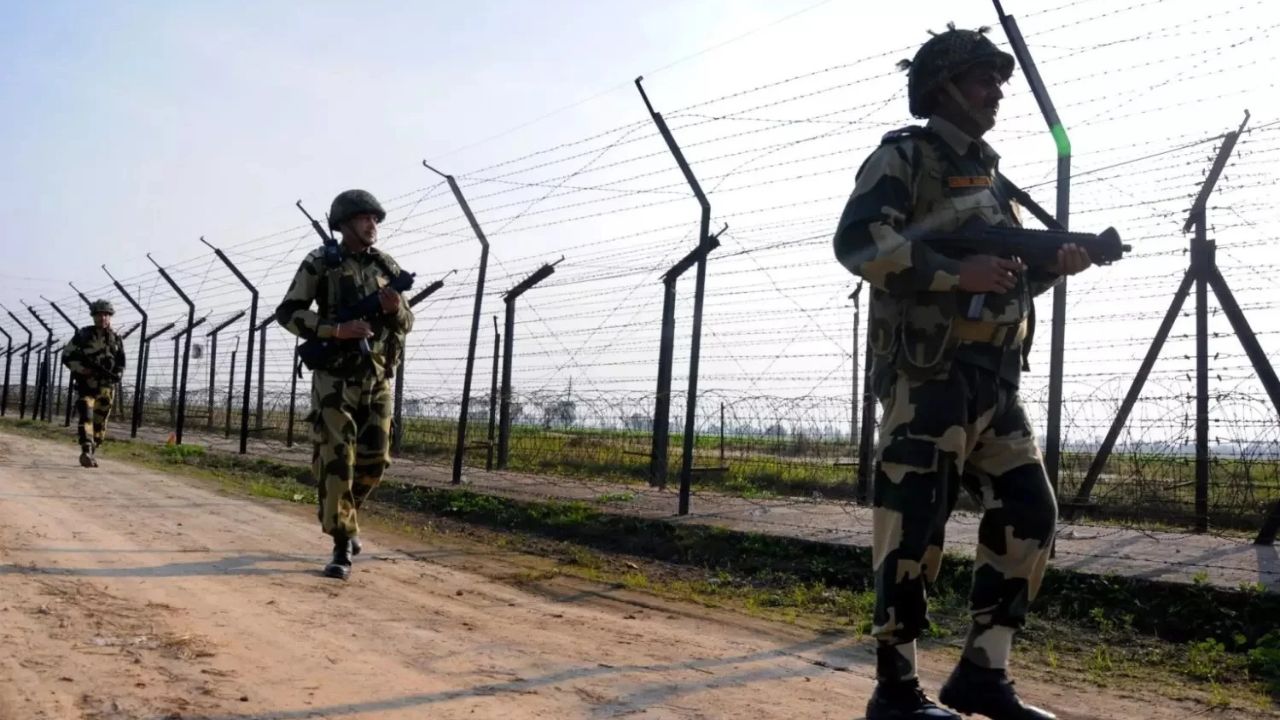
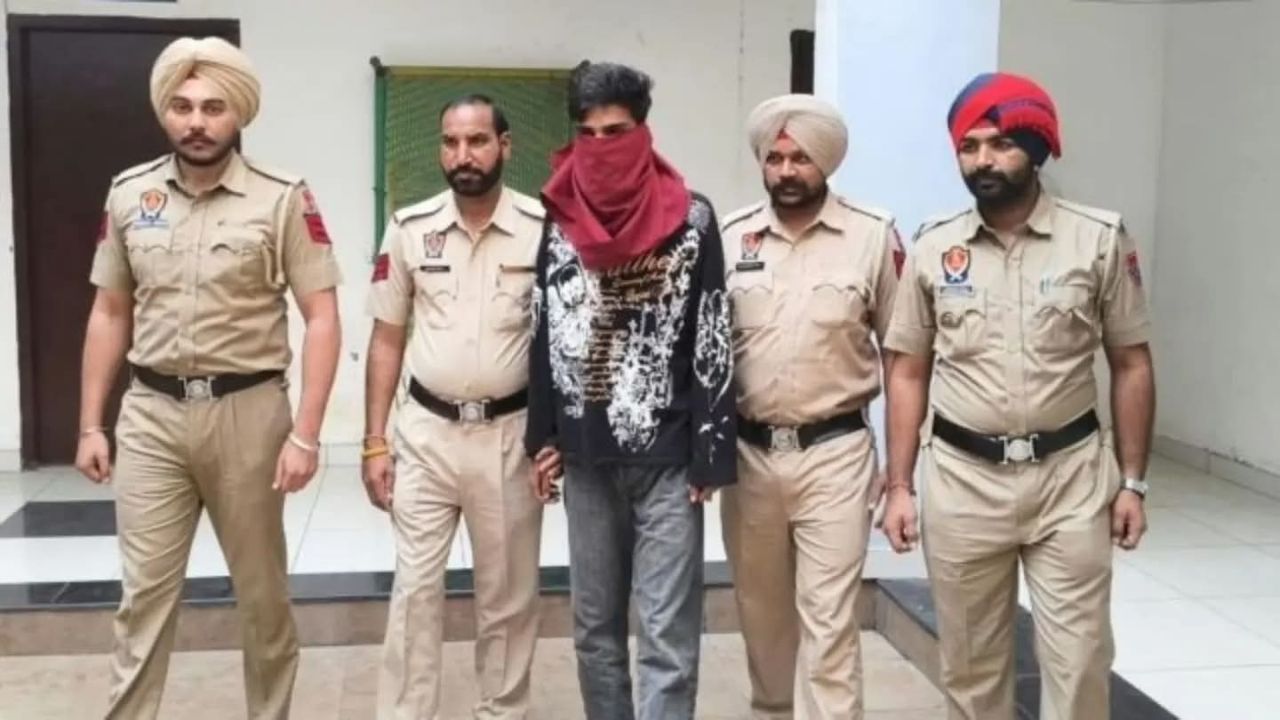
New Delhi: Pakistan’s Inter-Services Intelligence (ISI) is adopting a new approach to gather sensitive information about Indian military installations, with the arrest of a couple in Punjab exposing an alleged espionage network involving honey-trapping and impersonation.
The husband and wife, residents of Kalu Wala village in Ferozepur district near the India-Pakistan border, have been accused of sharing information about Army movements and deployments in border areas. Investigators allege that the woman posed as a police officer to gain access to confidential information and mislead potential targets.
An Intelligence Bureau official said honey-trapping had long been used by the ISI to obtain sensitive information. However, the increasing use of impersonation to gain access to confidential details has emerged as a significant concern for Indian intelligence agencies.
According to officials, suspected ISI operatives are creating communication channels that impersonate senior police and Army officers. These channels are not necessarily activated immediately after being set up. Instead, their operators monitor junior officers who may be vulnerable to such approaches.
“Once created, these communication channels do not begin operations immediately. They keep a watch on junior officers who are likely to fall into such communication channels,” the official said.
Also Read: France on High Alert: 70,000 Police, Armoured Vehicles Ready as Protests Return to Paris
The channels may remain dormant for a period before sending messages to selected officers. Such communications often create a strong sense of urgency, encouraging recipients to respond quickly without verifying the sender’s identity.
Another official said the creation of an artificial emergency could prompt a junior officer to share information in haste. Under pressure to respond immediately, the officer might prioritise the apparent urgency of the request over checking whether the communication channel was genuine.
Once the required information has been obtained, the forged channel is immediately shut down, the official added.
Officials also warned that these messages could place lower-ranking personnel under considerable stress, pushing them to bypass established security procedures while handling sensitive information.
“There have been cases whereby officials have been told to provide access to unauthorised networks,” the official said.
The use of temporary communication channels presents a particular challenge for investigators. By shutting down one network after a single operation and creating another, suspected operatives can make it harder for agencies to trace connections between cases and identify those directing the activity.
India’s Operation Sindoor in May 2025 demonstrated its military capabilities against Pakistan following the Pahalgam terror attack. Officials say developments since the operation suggest Indian intelligence agencies have continued to maintain an advantage over the ISI.
Several suspected espionage modules have been dismantled, while actionable intelligence has helped authorities uncover and shut down honey-trapping networks. Pakistan has also struggled to fully revive several of its proxies and continues to face difficulties with infiltration, according to the assessment outlined by officials.
These setbacks are believed to have encouraged the ISI to modify its methods in an effort to obtain information about the Indian armed forces.
Officials say the suspected shift towards impersonation networks represents a fresh challenge for Indian intelligence agencies. Rather than relying exclusively on long-running channels, the ISI is believed to be attempting to establish networks for specific operations and abandon them once the information has been collected.
The short operational life of these channels can complicate surveillance, delay the identification of their handlers and make it difficult to establish links with wider espionage networks.
The alleged Punjab case has brought renewed attention to the risks posed by honey-trapping and the impersonation of officials, particularly when such tactics are used to exploit trust, urgency and gaps in security protocols.