 English
 English

Judges Inquiry Act Violated, Says Justice Varma in SC Plea
New Delhi: Justice Yashwant Verma of the Allahabad High Court has approached the Supreme Court challenging the validity of the three-member parliamentary committee constituted against him. Justice Verma filed this petition in his personal capacity under the name "X". He termed the committee constituted by the Lok Sabha Speaker as illegal, stating that such a committee can only be formed after an impeachment motion is passed in both houses of Parliament, the Lok Sabha and the Rajya Sabha.
The Supreme Court has agreed to hear the matter and issued notices to the Lok Sabha and Rajya Sabha secretariats. The apex court has sought responses from both parties by January 7th. The notice was issued by a bench headed by Justice Dipankar Dutta. During the hearing, the bench orally remarked, "Don't even the lawmakers know what the procedure is?"
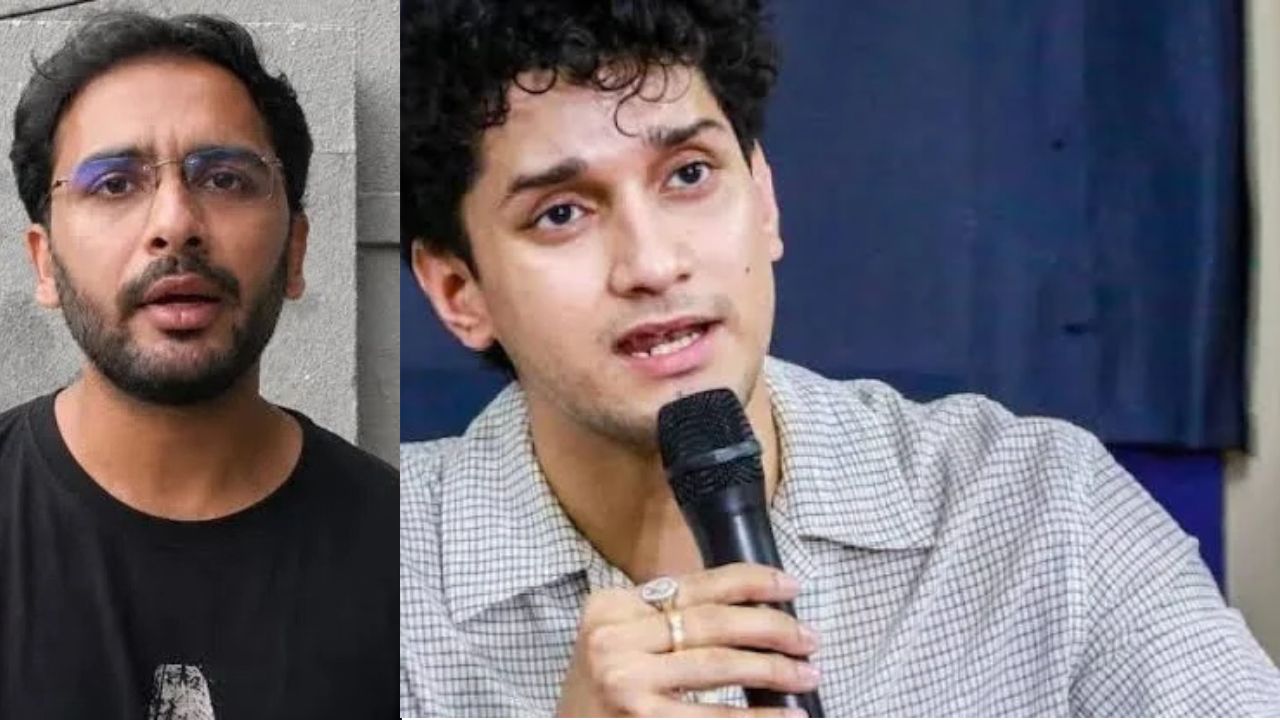
Who are the judges probing charges against Justice Yashwant Varma?
Justice Verma's counsel argued that the formation of a three-member committee under the Judges Inquiry Act, 1968 is only possible after an impeachment motion is accepted in both houses of Parliament. In the present case, the motion has only been passed in the Lok Sabha, while it is still pending in the Rajya Sabha. Therefore, the formation of the committee solely by the Lok Sabha Speaker is against the law.
Justice Yashwant Varma moves the Supreme Court, filing a plea in his personal capacity (“X”), challenging the Lok Sabha Speaker’s three-member committee. He calls the committee illegal, arguing it can be formed only if both Lok Sabha and Rajya Sabha pass a resolution—while in…
— Dynamite News (@DynamiteNews_) December 16, 2025
The case came to light on March 14th when a large amount of burnt cash was recovered from an outhouse of the official residence of Justice Verma, then a judge of the Delhi High Court, during a fire. This incident sparked a nationwide controversy. The then Chief Justice Sanjeev Khanna constituted an internal three-judge inquiry committee.
SC rejects Justice Yashwant Varma's plea challenging in-house inquiry for his removal
The in-house committee found Justice Verma prima facie guilty in its report, which was then sent to the President and the Prime Minister. When Justice Verma refused to resign, the impeachment process was initiated. Earlier, the Supreme Court had dismissed Justice Verma's petition challenging the in-house inquiry and the Chief Justice's recommendation.
The Supreme Court will now conduct a detailed hearing on this important constitutional and legal issue in January. This case is considered extremely important in terms of judicial independence, parliamentary procedure, and constitutional balance.