 English
 English

Supreme Court gives nod to Election Commission of India's (ECI) decision to use the 2002 electoral roll as the reference point for the ongoing Special Intensive Revision (SIR) of electoral rolls in Sikkim
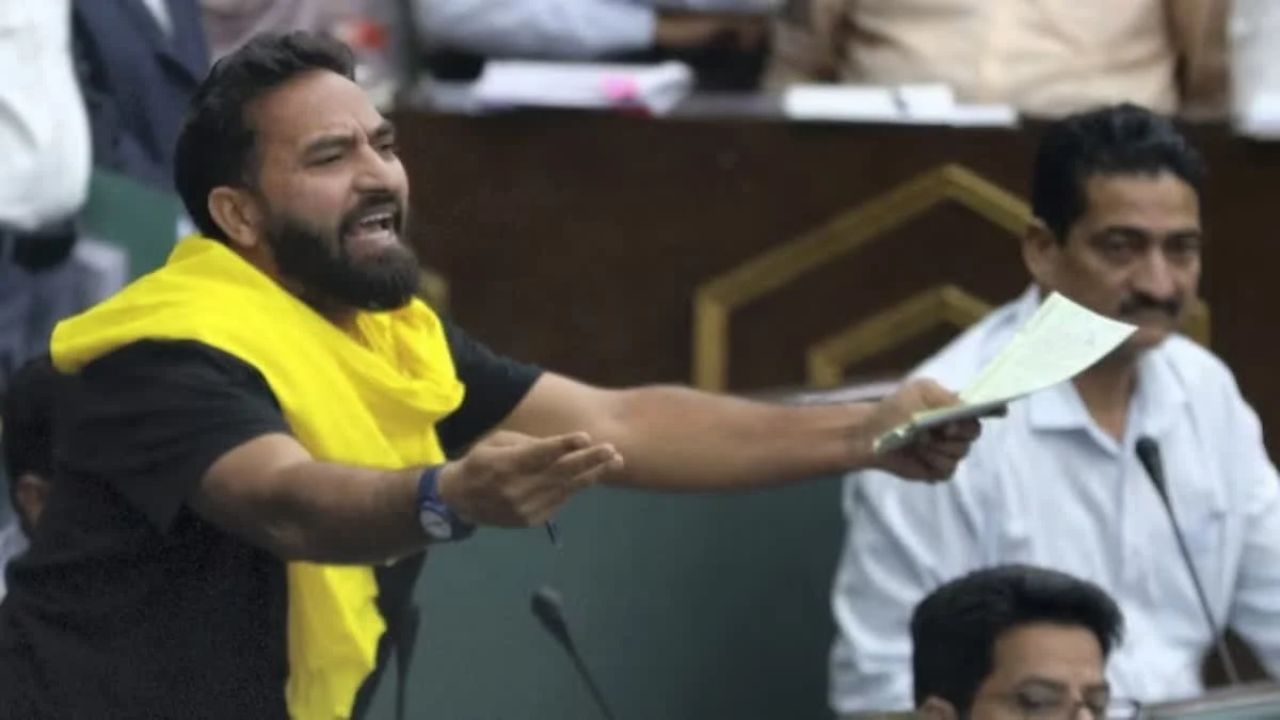
New Delhi: On Wednesday, the Supreme Court said that counseling and dialogues are ways to deal with young student protesters, not aggression, which could breed a more violent scenario.
Hearing a plea related to the student protests, Chief Justice of India (CJI) Surya Kant, Justice Joymalya Bagchi and Justice V. Mohana said listening to the cause of protest is the “most powerful force” available to society and the police.
"It is the most powerful force available to society and the police," the bench said, while hearing a petition that sought action against the organisers of the July 20 “Sansad Chalo” march and a plea over the Cockroach Janta Party (CJP) over its suspected role in the violence during the student protests.
The bench warned that aggression to the Action by the State to maintain law and order will only inflame the situation.
"Youth are required to be pacified and counselled. Any aggressive action in the name of the mighty State can unnecessarily aggravate the situation and precipitate further violence. That needs to be avoided," said the bench.
The judges emphasised that authorities should exercise restraint while dealing with student demonstrators. They are young and fed up with issues that matter to them and may act in an emotional way. “Understanding what the youngsters are up to is more likely to pacify the situation than the use of force,” the bench said.
The Supreme Court said that the first step to stop violence is to listen to what students are calling out and to understand why they are protesting.
The bench sees that democratic movements and agitations should start peacefully and even if sporadic incidents of violence occur, law enforcement agencies should act with patience. In such circumstances, excessive use of force would inflame the situation and counselling and dialogue would averted further violence.
The court said that violence, irrespective of its source, is unacceptable and that protection of democratic rights and maintaining law and order should go hand in hand.
The observations were made as the Supreme Court heard a petition filed by former Indian Air Force officer Manish Solanki.
The petition calls for action against organisers and alleged rioters involved in the ‘Sansad Chalo’ protest on July 20 in Delhi, during which violent clashes broke out. It also seeks the court to put an end to the practice of governments withdrawing rioting cases related to protest solely on political grounds.
The petitioner also wanted directions to identify the person or persons who allegedly made insulting remarks on police personnel and directed them to perform community service as a form of punishment.
Advocate Rizwan Ahmad, appearing for the petitioner, said questions have been raised about the conduct of the governments and police, but the organisers of the protest have not been held accountable. He said several terms and conditions regarding the march had been violated and the protest was conducted without permission.
The Supreme Court tagged the fresh petition with the batch of pending student protest cases pending in Delhi and other states, alleging police excesses in the demonstrations.
The bench expressed confidence in law enforcement agencies and said the matter should be left to their wisdom as they are better placed to deal with the situation on the ground.
The court said it would consider all the connected petitions together on the next date of hearing after taking note of the Centre's response, while reiterating that dialogue, restraint and counselling remain the most effective way to address student protests.