 English
 English

Nepal Flood Crisis: PM Balendra Shah Announces Relief Measures As Disaster Hits Nation
Kathmandu: Nepal is facing a severe humanitarian crisis after devastating flash floods caused widespread destruction across several districts, prompting Prime Minister Balendra Shah and his cabinet colleagues to contribute financially towards emergency relief efforts.
The Nepal government has decided that the Prime Minister and members of the Council of Ministers will deposit one month’s salary into the Prime Minister’s Disaster Relief Fund to support rescue, rehabilitation and reconstruction work.
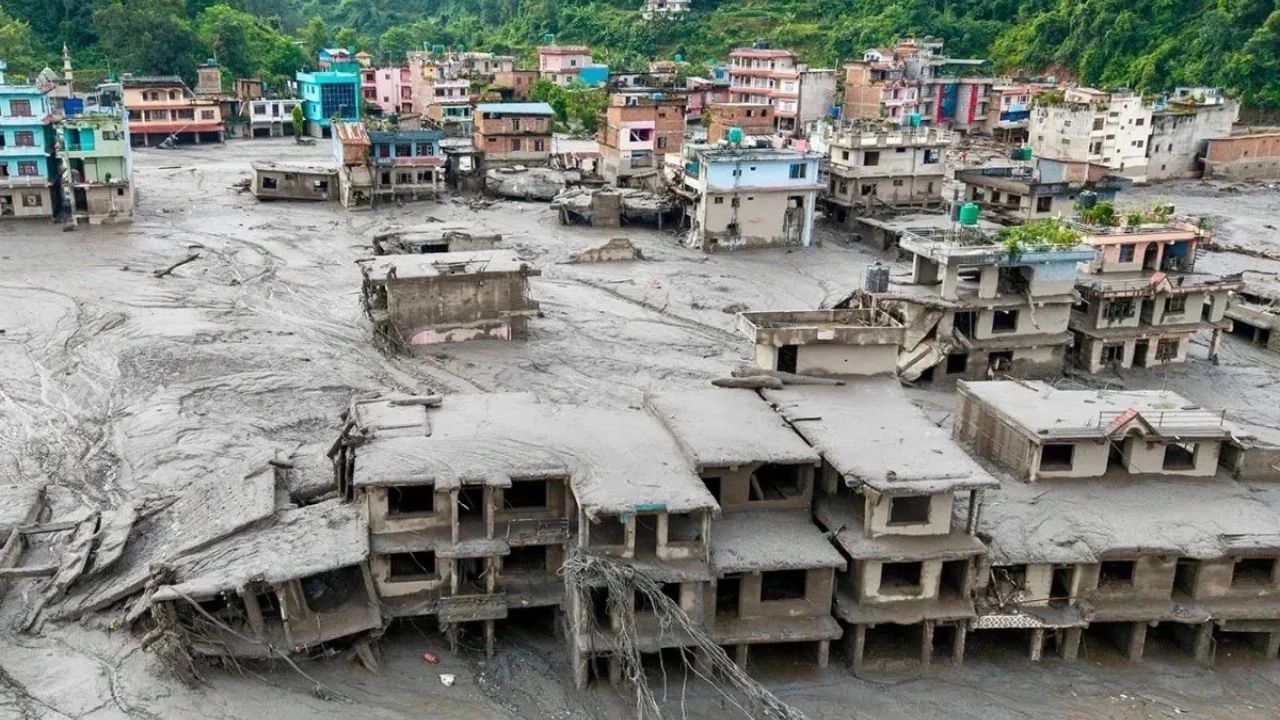
The decision was taken during a cabinet meeting as authorities continue responding to the destruction caused by flash floods that swept through areas near the Tibet-Nepal border, including the Rasuwa and Bhote Koshi regions.
The government has also directed the Finance Ministry to prepare a special relief and rehabilitation package for families, individuals and businesses affected by the disaster.
The Cabinet meeting focused on rescue operations, damage assessment, rehabilitation planning and restoring essential services in flood-hit regions. The government is preparing support measures for communities that suffered losses due to damaged roads, disrupted communication networks, destroyed properties and agricultural damage.
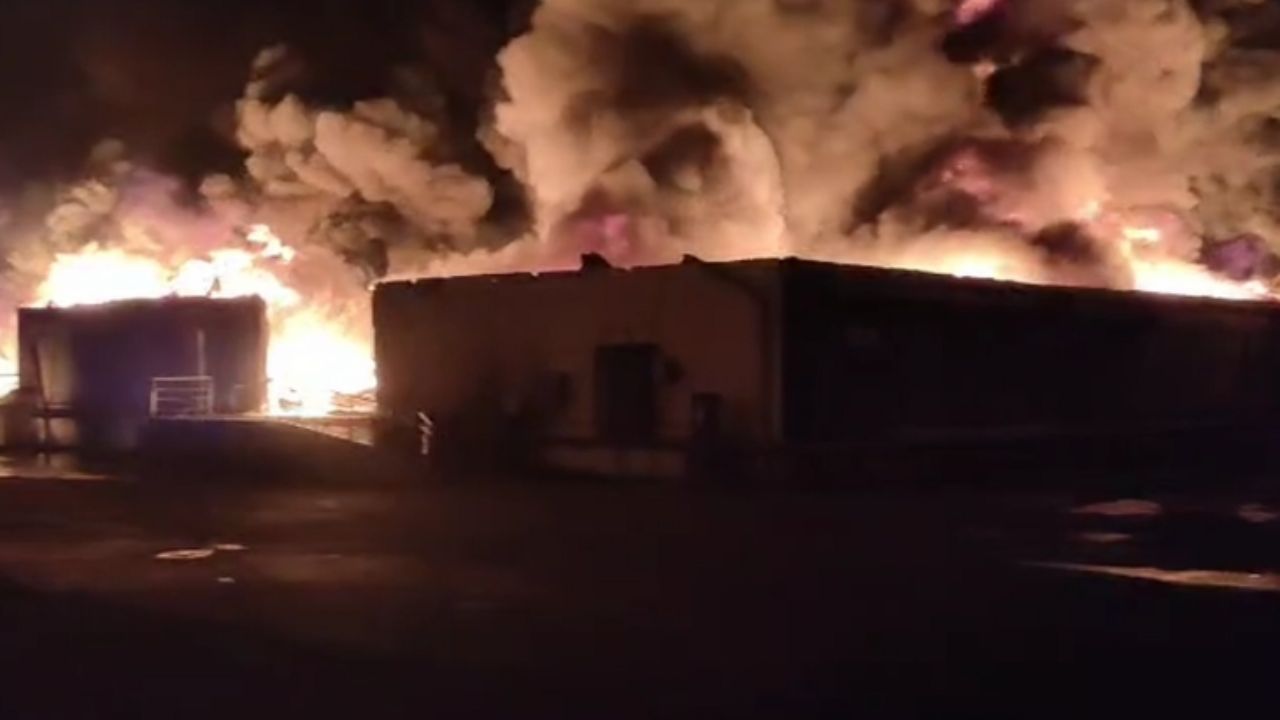
The disaster has severely affected several areas after sudden flash floods carried massive amounts of water, mud, debris and boulders through river systems originating from the Himalayan region.
The Bhote Koshi and Trishuli river systems witnessed dangerous water flow, creating a major challenge for rescue agencies working in difficult mountainous terrain.
Amid the ongoing flood emergency, Nepal’s cabinet has approved the purchase of 25,000 metric tonnes of Di-Ammonium Phosphate (DAP) fertiliser from India.
The procurement will take place through the government-to-government (G2G) mechanism between Nepal and India. The decision is aimed at maintaining agricultural supply chains and ensuring that farmers do not face shortages during the upcoming farming cycle.
The Agricultural Inputs Company Limited has received approval to complete the fertiliser purchase process from India. The move highlights continued economic cooperation between the two neighbouring countries despite Nepal dealing with a major natural disaster.
The crisis began after a powerful flash flood struck near the Tibet-Nepal border on August 26. A sudden release of water, rocks and sediments entered the Bhote Koshi and Trishuli river systems, causing destruction in Nepal’s Rasuwa district and surrounding areas.
Several settlements were affected, roads were washed away and normal life was disrupted as rescue teams struggled to reach isolated communities. The difficult Himalayan landscape, unpredictable weather conditions and fast-moving river currents have made relief operations extremely challenging.
Authorities remain on high alert following concerns over another possible flood threat linked to a barrier lake near the Chhochen Khola and Purepu Tsangpo river confluence.
The rivers originate in Tibet and later enter Nepal as part of the Bhote Koshi river network. Reports of the lake breach triggered fresh warnings, forcing authorities to evacuate people living near vulnerable areas.
Nepal Police and local administration advised residents in Trishuli and nearby regions to move to safer locations as water levels continued to be monitored. The possibility of additional flooding has increased pressure on rescue teams already dealing with the aftermath of the first disaster.
Rescue operations involving the Nepal Army, Nepal Police and other agencies are continuing across affected regions. Helicopters are being deployed to reach remote locations, evacuate stranded residents and deliver emergency supplies. Authorities have recovered hundreds of bodies during ongoing search operations, while many people are still reported missing.
Families across flood-hit areas continue waiting for information about their loved ones as rescue teams search riverbanks, damaged villages and downstream areas. Thousands of security personnel have been mobilised for evacuation, relief distribution and emergency response.
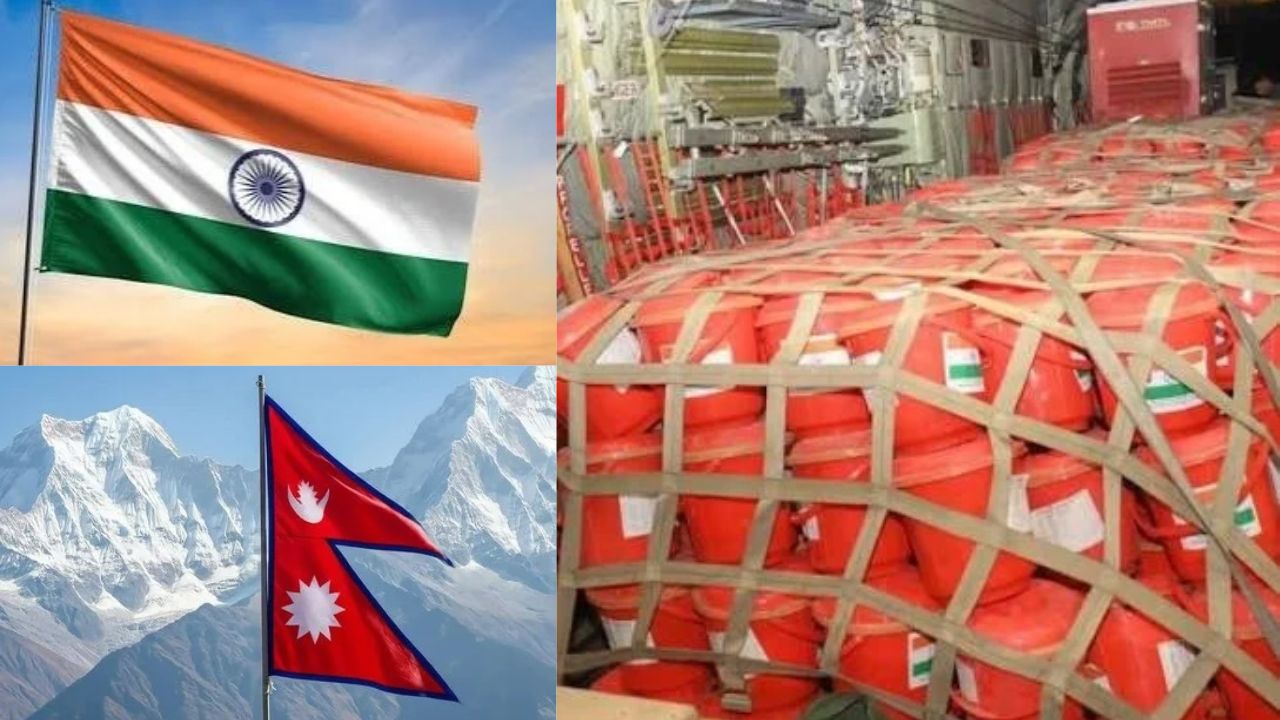
India is closely monitoring the flood situation in Nepal and coordinating humanitarian assistance through diplomatic channels. External Affairs Minister S Jaishankar reviewed the ongoing rescue and relief efforts and received updates from Indian missions in Kathmandu and Beijing regarding affected Indian citizens and additional support measures.
The disaster has once again highlighted the close relationship between India and Nepal, with both countries sharing strong geographical, cultural and economic connections. India has traditionally provided assistance to Nepal during major natural disasters and emergency situations.
The disaster has affected transportation networks, tourism activities, agriculture and local businesses in several regions. Educational activities have also been disrupted, with the Nepal government deciding to postpone examinations due to the emergency situation.
For thousands of affected families, the immediate priority remains survival, access to shelter, medical assistance and restoration of basic facilities. The long-term challenge will be rebuilding damaged infrastructure and helping communities recover from the massive losses caused by the floods.
The Nepal government is expected to finalise relief packages for affected families and businesses while beginning preparations for reconstruction. With Himalayan regions facing continued risks from sudden floods and landslides, authorities are maintaining strict monitoring and emergency preparedness.