 English
 English

Only BS-VI vehicles allowed from outside Delhi.
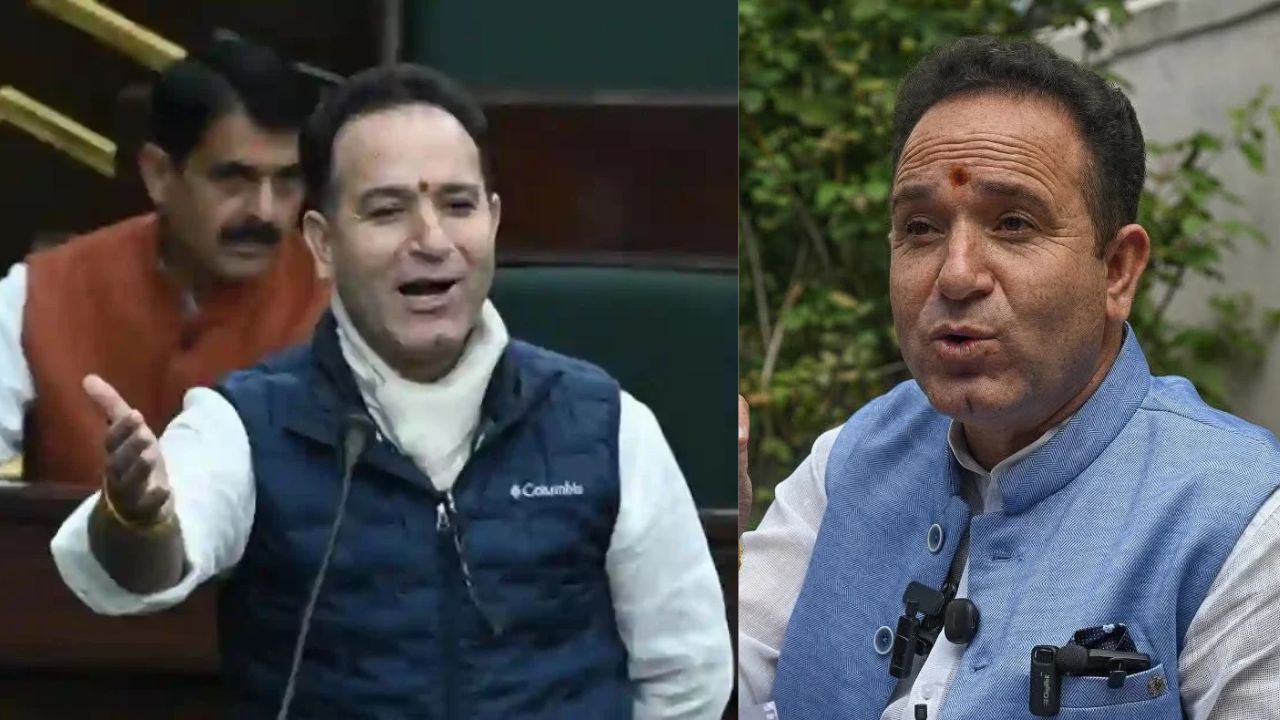
New Delhi: Delhi Environment Minister Manjinder Singh Sirsa announced that vehicles without a valid Pollution Under Control certificate will not be allowed to refuel at petrol pumps from December 18. Vehicle owners were given a short window to comply with the rule, emphasizing that enforcement will be automatic and seamless. Cameras installed at fuel stations will identify vehicles lacking PUC certification, and such vehicles will be denied fuel without confrontation or disruption.
The minister highlighted that more than eight lakh vehicle owners in Delhi currently do not have valid PUC certificates and have already faced penalties. This strict action signals the government's intent to curb vehicular pollution and ensure adherence to environmental norms across the city.
Sirsa added that, until further notice, only BS-VI compliant vehicles from outside Delhi will be permitted to enter the city. This move aims to prevent additional pollution from older, non-compliant vehicles and strengthen the overall air quality control measures in the capital.
Targeting the Aam Aadmi Party, Sirsa claimed that the previous government failed to take sufficient steps to control pollution over the last ten years. According to him, the current administration has taken sustained efforts over the past ten months, resulting in improved air quality for nearly eight months in 2025 compared to the previous year. While pollution levels have recently worsened, the minister maintained that the situation is still better than last year due to these ongoing measures.
Supreme Court to hear Delhi-NCR air pollution case on 17 December; Click for full details
The Delhi government has been active in reducing the city’s legacy waste. Sirsa said the height of garbage mountains has been lowered by 15 metres, and out of 202 acres of land affected by accumulated waste, 45 acres have been cleared and reclaimed. Plantation drives have been initiated on the reclaimed land, marking a significant achievement in environmental restoration over the past ten months.
The Delhi Pollution Control Committee has installed over 2,000 pollution-monitoring plants and collected fines amounting to Rs 9.21 crore. Other departments are also involved in enforcement. The government has provided 10,000 heaters for biomethanation plants to reduce emissions and ensure cleaner operations across the city.
Greater Noida tops India’s pollution list; THESE two cities in ‘severe’ category
While 13 pollution hotspots were identified in 2018, the current administration has pinpointed 62 areas of concern. Air Quality Index levels in these hotspots were lower this year compared to the past decade, excluding the Covid period, reflecting the effectiveness of current measures. A scientific committee and the Commission for Air Quality Management are also actively recommending pollution-control strategies.
Delhi currently operates 3,400 electric buses, and the government plans to increase this number to 7,500. The expansion of electric public transport is aimed at reducing vehicular emissions and promoting cleaner mobility solutions throughout the city.
Sirsa emphasized that vehicles transporting construction material would be banned from certain areas, with strict penalties for violators. Offending vehicles may be sealed to prevent non-compliance, further demonstrating the government’s commitment to tackling pollution from multiple sources.