English
 English

Akriti Chaudhary case sparks major debate over rights and administrative powers. (Img: Google)
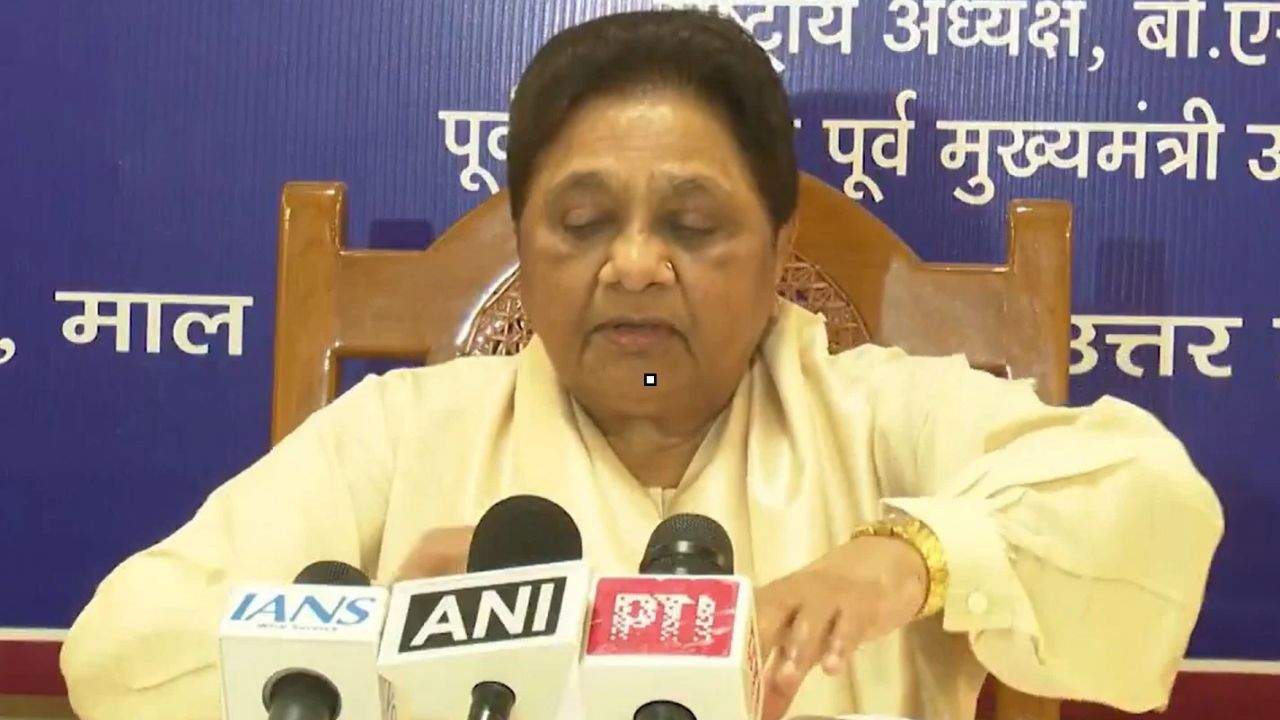
New Delhi: Gautam Buddh Nagar District Magistrate Medha Roopam has approached the Supreme Court challenging the Allahabad High Court order that directed recovery of Rs 5 lakh compensation from her salary and other officials involved in the detention of Delhi University student Akriti Chaudhary.
The legal challenge comes after the High Court cancelled Chaudhary’s detention under the National Security Act and questioned the manner in which the detention order was approved by the district administration.
The Supreme Court case now brings the focus back on preventive detention laws, administrative accountability and the limits of executive authority while dealing with matters involving personal liberty.
The controversy began after 25-year-old Akriti Chaudhary, a Delhi University graduate and student activist, was arrested in connection with cases related to the Noida workers’ protest in April 2026.
Following the protest, the Uttar Pradesh Police invoked the National Security Act, 1980 against Chaudhary and activist-journalist Satyam Verma on May 13.
The action was linked to demonstrations demanding higher wages for workers. The use of the stringent NSA law against protesters later became a major legal issue after Chaudhary challenged her detention through a habeas corpus petition before the Allahabad High Court.
The case highlighted the ongoing national debate over preventive detention laws and the need to balance public order with individual freedom.
The Allahabad High Court had earlier set aside the detention order against Akriti Chaudhary and directed her release if she was not required in any other criminal matter.
A division bench of Justice Atul Sreedharan and Justice Achal Sachdev observed that the detention order lacked sufficient supporting material and was passed without proper application of mind.
The court held that continued detention affected Chaudhary’s fundamental right to personal liberty under Article 21 of the Constitution.
The judgment raised serious questions about whether authorities had followed due process and properly evaluated the evidence before using powers under the National Security Act.
The Allahabad High Court directed that Rs 5 lakh compensation be paid to Akriti Chaudhary and recovered from the salary of Noida DM Medha Roopam along with other officials involved in the detention process.
The order also focused attention on the role of officers responsible for preparing and approving the detention documents, including police officials.
The court observed that when authorities exercise extraordinary powers affecting personal freedom, every decision must be supported by strong legal reasoning and proper examination of facts. The compensation order has now become one of the key points of challenge before the Supreme Court.
During the hearing, the Allahabad High Court made strong observations regarding the responsibility of government officials while exercising administrative powers. The court emphasised that officers entrusted with authority must protect citizens’ constitutional rights, dignity and legal safeguards.
It observed that government officials are required to act according to constitutional principles and cannot ignore the importance of personal liberty while taking administrative decisions. The judgment also directed that the court’s concerns regarding the conduct of officers involved in the case be recorded in official service records.
The National Security Act allows authorities to detain individuals in certain situations where officials believe preventive action is required to maintain public order. However, the law has frequently remained a subject of debate due to concerns regarding misuse and the possibility of restricting individual liberty without a regular criminal trial.
Supporters argue that preventive detention laws are necessary to handle serious law-and-order challenges, while critics maintain that such powers require strict judicial and procedural safeguards. The Akriti Chaudhary case has once again brought this national debate into focus.
The petition filed by Noida DM Medha Roopam will now place several important questions before the Supreme Court. The top court may examine issues related to the authority of district magistrates, the procedure followed in NSA cases, compensation for alleged wrongful detention and accountability of government officials.
Earlier, Solicitor General Tushar Mehta had indicated that a challenge against the High Court decision would be placed before the Supreme Court. The proceedings are expected to attract attention from legal experts, administrative officers and civil rights groups.
The outcome of this case could have wider implications for how preventive detention orders are issued across India. For citizens, the case highlights the importance of legal checks on government powers and protection of fundamental rights.
For administrators, it underlines the need for detailed scrutiny before passing orders that directly impact personal liberty. A Supreme Court ruling in this matter may influence future guidelines on detention procedures and official accountability.
The Supreme Court will now examine Noida DM Medha Roopam’s challenge against the Allahabad High Court order. The final decision will determine the future of the Rs 5 lakh compensation direction and may shape the legal framework around preventive detention powers.
The case continues to remain a significant battle involving constitutional rights, administrative responsibility and the balance between state authority and individual freedom.