 English
 English

Parliament’s Monsoon Session remains open for 40 days after adjournment, creating a new record. (Img: Pinterest)
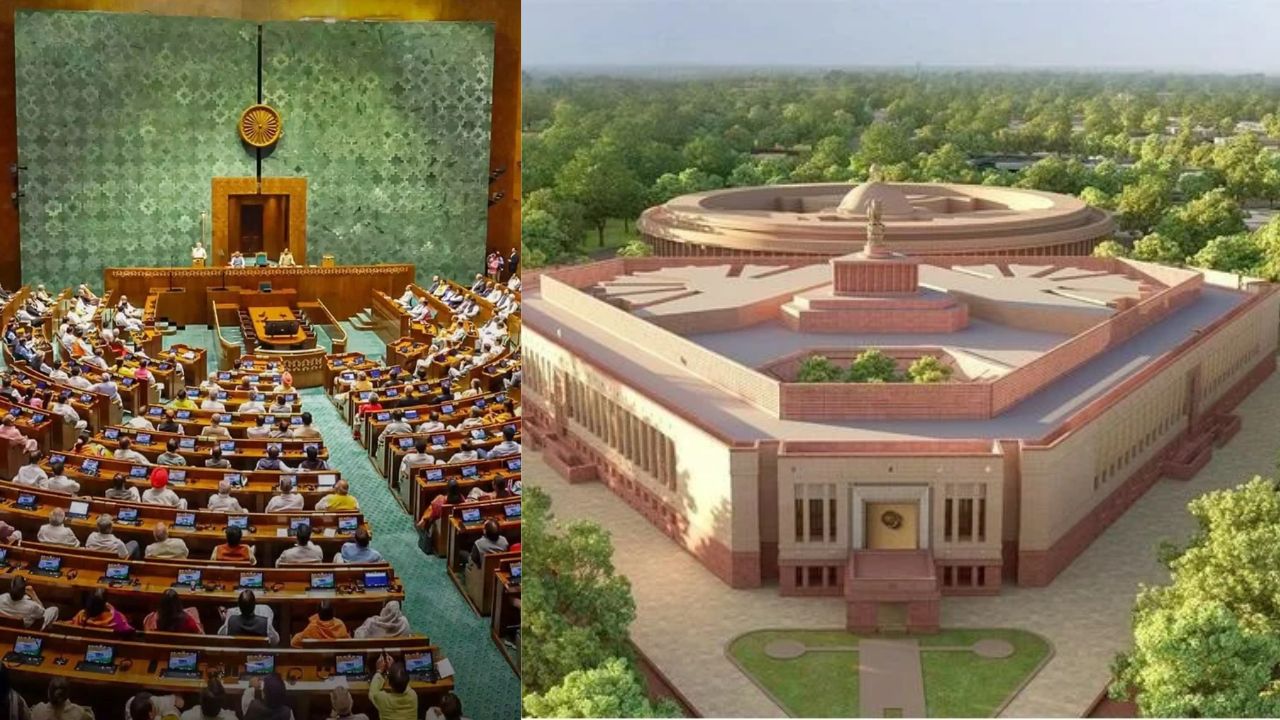
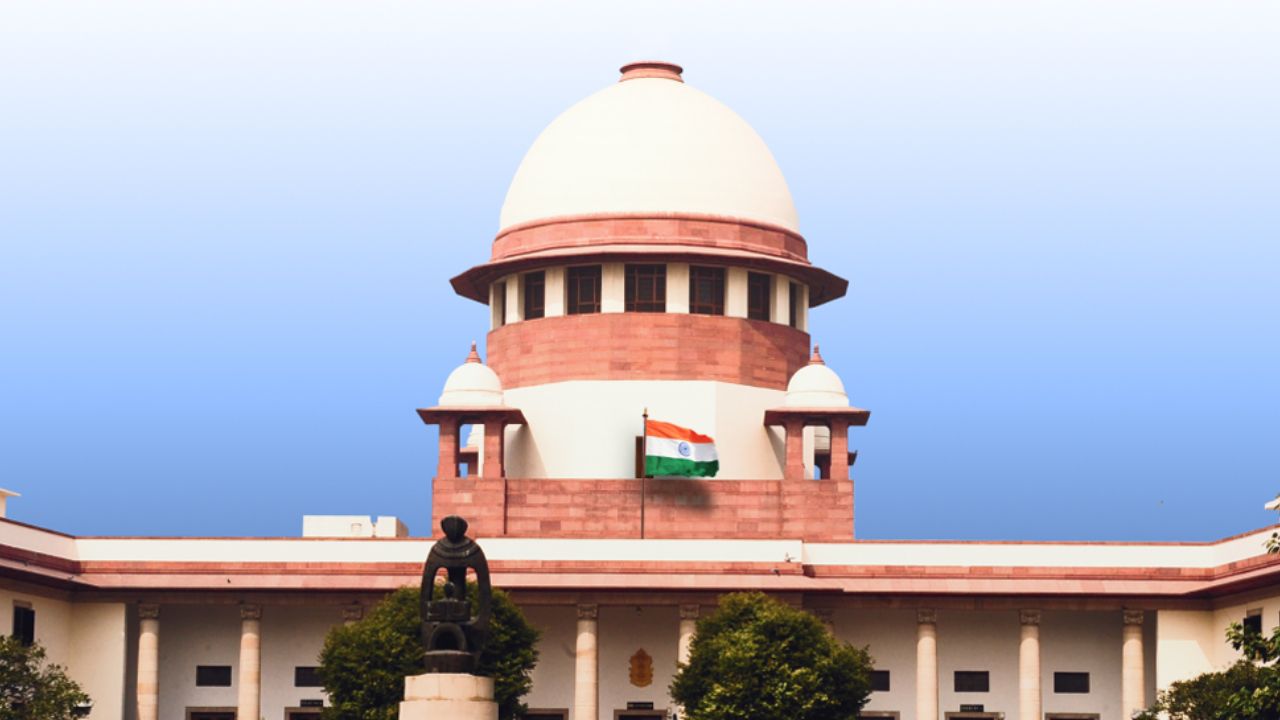
New Delhi: The Monsoon Session of Parliament 2026 has entered the record books after the Lok Sabha and Rajya Sabha remained formally open for 40 days even after being adjourned sine die.
The unusual delay in issuing the prorogation notification has sparked discussions in political circles, with experts pointing out that the extended unprorogued status of Parliament is the longest in recent years.
The development has also triggered speculation over whether the government may introduce important legislation before calling a fresh session. Both Houses were adjourned indefinitely on August 13, but the formal end of the session has not yet been announced.
The Monsoon Session of Parliament began on July 20, 2026. After completing its scheduled proceedings, both Lok Sabha and Rajya Sabha were adjourned sine die on August 13.
Normally, Parliament sessions are formally prorogued within a few days after such an adjournment. However, the notification declaring the end of the session has not been issued even after 40 days.
Former Lok Sabha Secretary General P D T Acharya said the extended period of Parliament remaining unprorogued has created a new record.
According to Acharya, the previous notable instance was in 2015, when both Houses remained unprorogued for 28 days. At that time, the government was working towards building consensus on the Goods and Services Tax (GST) legislation.
The delay in prorogation has become a subject of discussion because a government can introduce legislation only through a sitting session of Parliament.
Political observers are watching whether the government plans to bring any significant legislative proposal before formally ending the Monsoon Session.
Speculation has particularly focused on possible changes related to the Women’s Reservation law and its implementation timeline. The discussion comes amid the larger debate over delimitation of parliamentary constituencies ahead of the 2029 Lok Sabha elections.
Reports suggest that the government may consider amendments related to the implementation of the Women’s Reservation Act. The law links implementation with the completion of delimitation and the next census exercise. The issue has generated political debate, particularly among opposition parties from southern states.
Some southern parties have expressed concerns that population-based delimitation could affect their representation in the Lok Sabha because of lower population growth compared with some other regions.
To address these concerns, discussions have reportedly included the possibility of increasing the total number of Lok Sabha seats while maintaining a balance among states and Union Territories.
Under constitutional provisions, the President formally prorogues a session of Parliament on the advice of the government. Prorogation marks the official conclusion of a session, while adjournment only suspends proceedings temporarily or ends the current sitting without formally closing the session.
The difference becomes important because an unprorogued session technically remains available for further proceedings if the government decides to reconvene Parliament.
The Budget Session of Parliament 2026 ended on April 18 and was prorogued two days later on April 20. Usually, after both Houses are adjourned sine die, the prorogation notification is issued within a short period. The current delay has therefore attracted attention among parliamentary observers because of its unusual duration.
The Winter Session of Parliament is generally scheduled towards the end of November and continues until before Christmas. Before that session begins, the government’s decision on whether to formally prorogue the Monsoon Session or use the existing session framework will remain closely watched. Any major legislative move during this period could influence political discussions ahead of the 2029 Lok Sabha elections.
The extended unprorogued status highlights the importance of parliamentary procedure in India’s legislative system. While prorogation is a routine constitutional process, delays can attract attention when they occur alongside discussions around major reforms or politically significant laws. The coming days will reveal whether the unusual extension was simply a procedural delay or connected to a larger legislative strategy.