English
 English

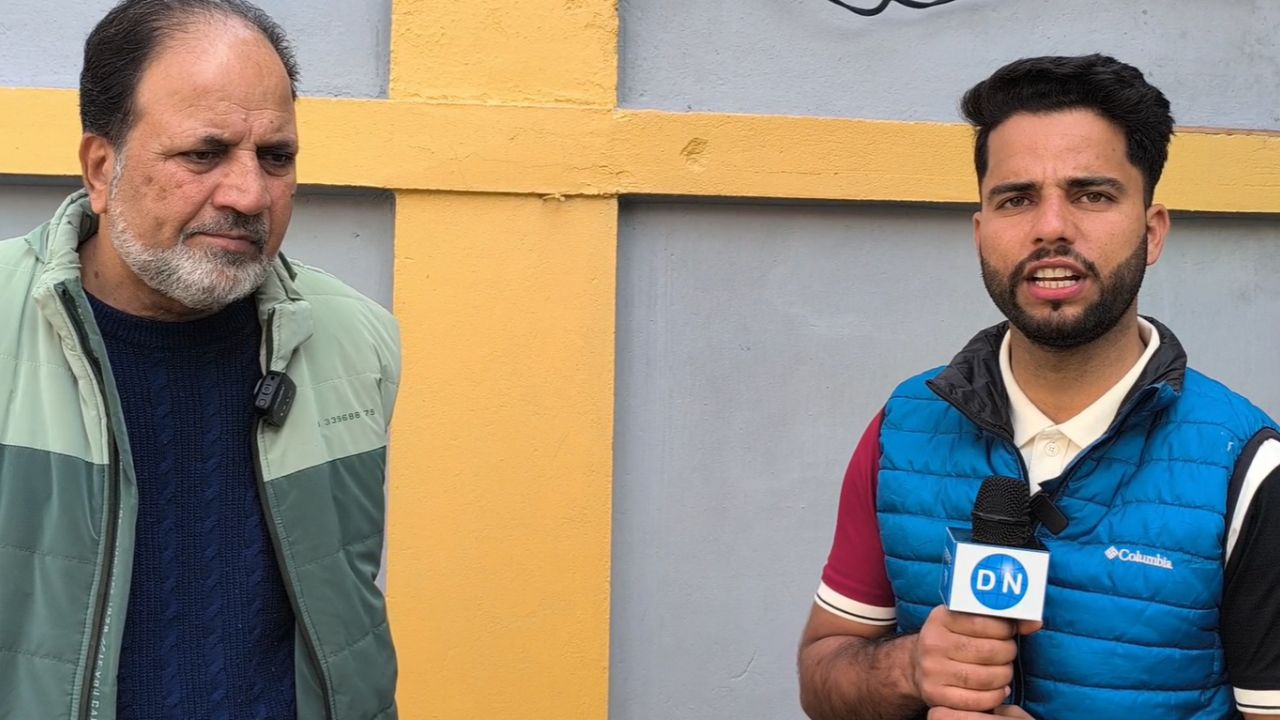
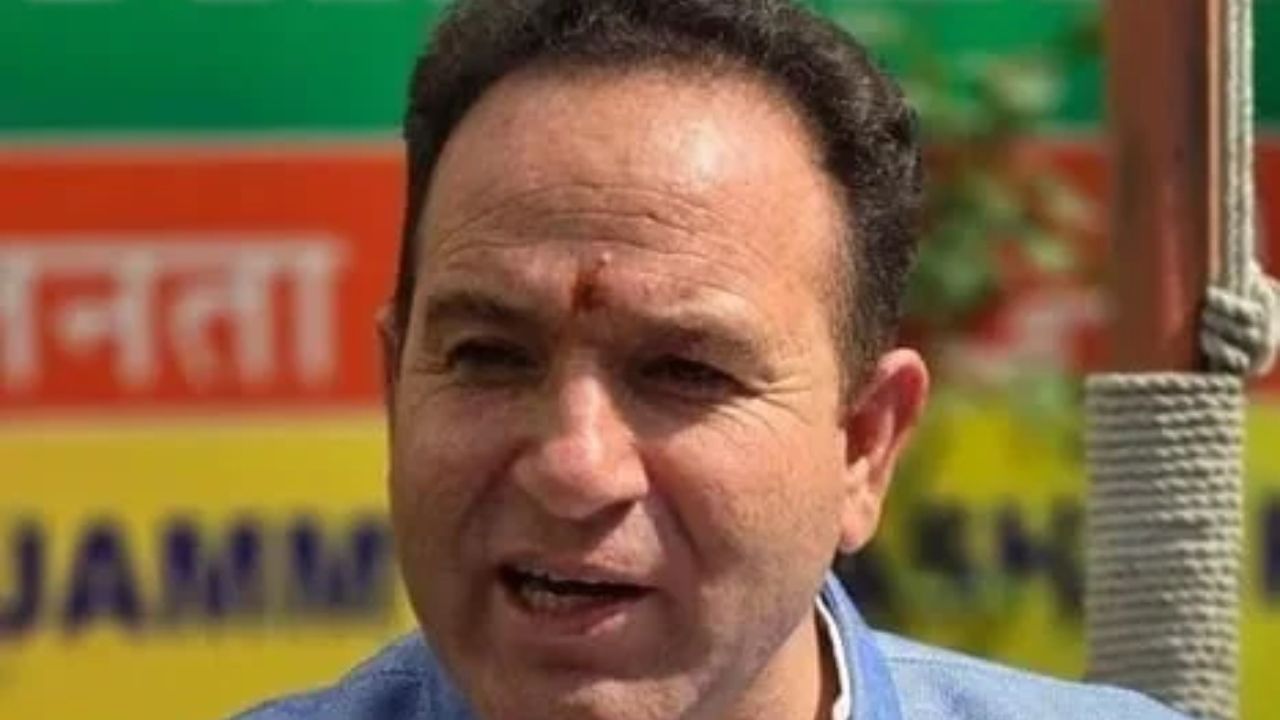
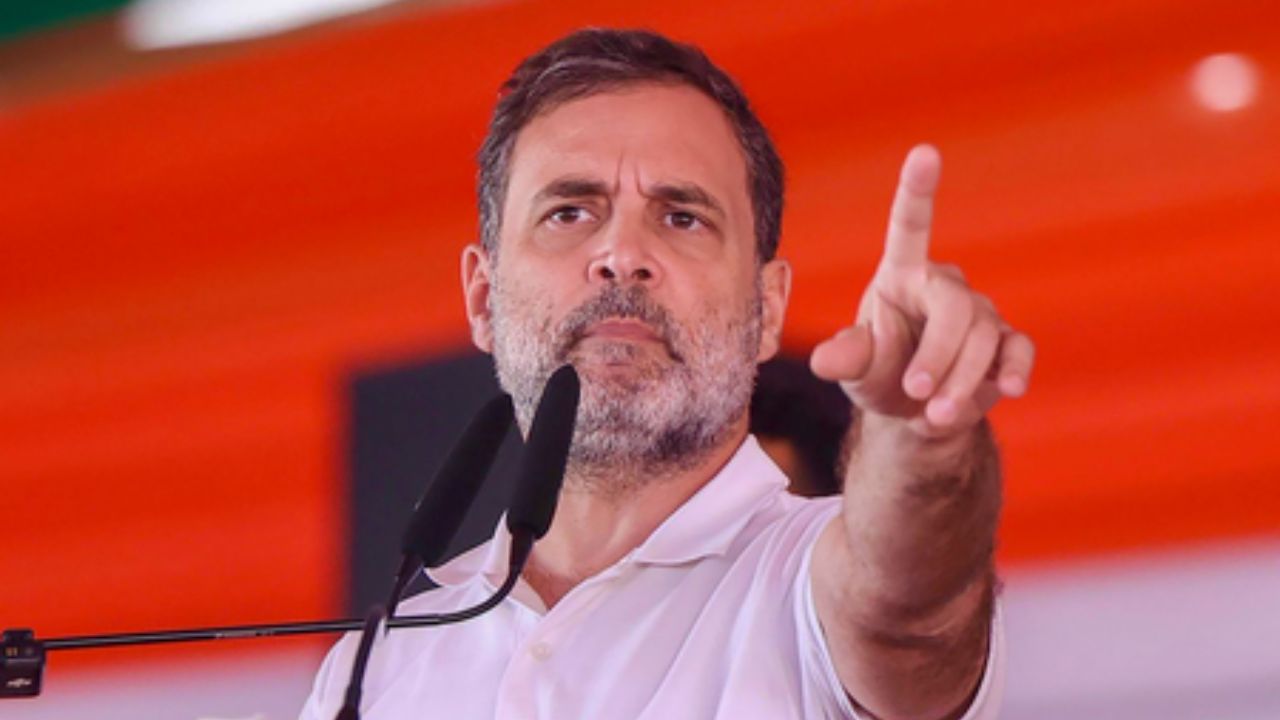
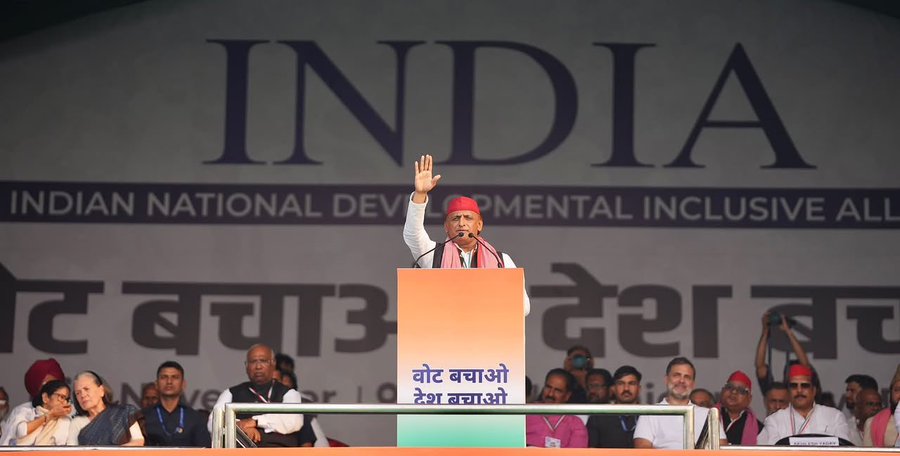
Farooq Abdullah dismisses speculation about a National Conference split after meeting Omar Abdullah and dissatisfied party legislators. (Img: Dynamite News)
Srinagar: National Conference (NC) president Dr Farooq Abdullah on Friday categorically rejected reports of a possible division within the ruling party in Jammu and Kashmir. He maintained that the organisation remained united and that no individual or group would be allowed to undermine its unity.
His remarks followed a crucial meeting with Chief Minister Omar Abdullah and a group of legislators who had reportedly expressed dissatisfaction with the party's internal functioning and the distribution of ministerial responsibilities following the latest Cabinet expansion.
Acknowledging the concerns raised by the legislators, Farooq Abdullah indicated that the party leadership had taken their representations seriously and would initiate corrective steps. While certain decisions would be implemented immediately, others would be addressed through a gradual process, suggesting that the leadership was seeking to resolve the differences through internal consultation rather than allowing them to escalate into a larger political confrontation.
His intervention assumes significance as speculation about factionalism within the National Conference has intensified following the induction of four new ministers into the Omar Abdullah-led government.
The political unease reportedly intensified after the Cabinet expansion on October 27, when four new ministers were inducted into the Jammu and Kashmir Council of Ministers. The exercise appears to have triggered dissatisfaction among several party legislators, with concerns extending beyond ministerial representation to the broader functioning of the organisation.
A section of MLAs reportedly sought greater attention from the party leadership, improved coordination between elected representatives and organisational functionaries, and a more consultative approach to political and administrative decision-making.
The grievances point towards an underlying challenge for the National Conference: maintaining organisational cohesion while balancing the expectations of legislators, regional political considerations and the demands of governance.
For elected representatives, access to the party leadership, responsiveness to constituency-level concerns and a meaningful role in decision-making are important factors in sustaining political engagement. Any perception of inadequate consultation can potentially create friction within a ruling party, particularly following a Cabinet reshuffle.
The latest meeting therefore represents an important attempt by the NC leadership to prevent individual grievances from developing into a wider organisational crisis.
The meeting between Farooq Abdullah, Chief Minister Omar Abdullah and the unhappy legislators provided an opportunity for direct engagement between the party's senior leadership and its elected representatives.
The discussions centred on addressing the concerns arising from the Cabinet expansion and improving coordination within the party.
Farooq Abdullah's assurance that some measures would be taken immediately, while others would follow gradually, indicates that the leadership is considering both short-term interventions and broader organisational adjustments.
The political significance of the meeting lies in the leadership's effort to contain dissent at an early stage. With the National Conference heading the elected government in Jammu and Kashmir, internal stability is important not only for the party's organisational functioning but also for the smooth conduct of government business.
Although the leadership has publicly rejected the possibility of a split, the acknowledgement of genuine grievances indicates that the discontent cannot simply be dismissed as political speculation. The effectiveness of the proposed corrective measures will therefore be crucial in determining whether the current differences are resolved satisfactorily.
Amid questions about internal party unity, Farooq Abdullah also reiterated the National Conference's ideological and political position on Articles 370 and 35A, along with its commitment to restoring Jammu and Kashmir's statehood. The issue remains central to the party's political identity and its engagement with the region's constitutional and political future.
The abrogation of Article 370 in August 2019 and the subsequent reorganisation of the erstwhile state into the Union Territories of Jammu and Kashmir and Ladakh fundamentally altered the region's constitutional and administrative framework.
Restoration of statehood has consequently remained a major political demand in Jammu and Kashmir, with the National Conference repeatedly emphasising the need to restore the region's statehood.
By reiterating these commitments during a period of internal political uncertainty, Farooq Abdullah has sought to reinforce the party's larger political agenda alongside efforts to address organisational dissatisfaction. The twin challenges of managing internal expectations and pursuing its stated political commitments will remain important for the party leadership.
The latest developments highlight the political and organisational challenges confronting the National Conference after returning to power in Jammu and Kashmir. Cabinet formation and subsequent expansion often involve difficult political calculations, particularly when a ruling party has to accommodate regional representation, seniority, electoral considerations and competing expectations among legislators.
In such circumstances, dissatisfaction among MLAs can become a test of leadership management and internal communication. For Omar Abdullah, the challenge extends beyond administering the government. Maintaining the confidence of party legislators and ensuring effective coordination between the government and the organisation will be equally important.
The concerns reportedly raised by the MLAs also highlight the importance of constituency-level representation and institutional communication within the ruling party.
A prolonged disagreement could complicate political coordination and create opportunities for opposition parties to question the government's internal stability. However, the leadership's decision to engage directly with the dissatisfied legislators suggests an attempt to prevent such a situation.