 English
 English

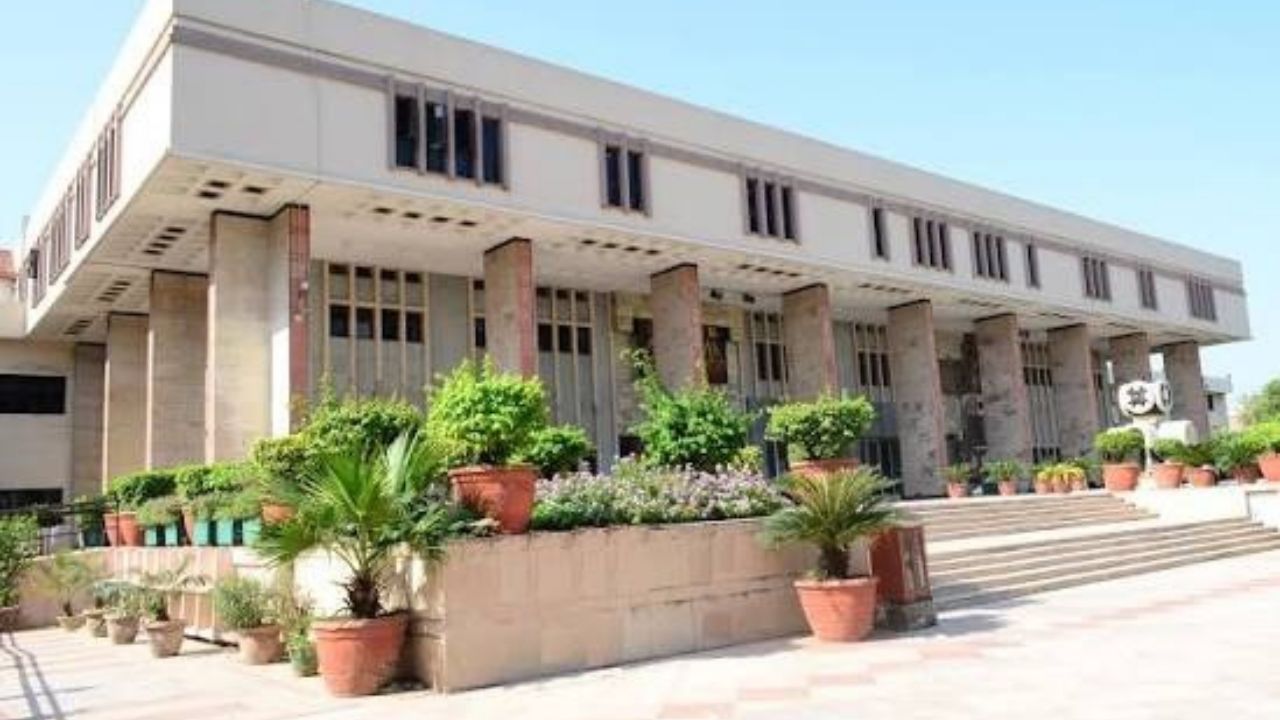
Delhi High Court (Image Source: Internet)
New Delhi: In a significant ruling, the Delhi High Court has clarified that while children possess the Right to Education (RTE), this does not imply that they also hold the right to secure admission in a specific school of their personal preference.
This verdict was delivered in response to a petition filed by a mother who sought to secure admission for her child in a private school under the EWS (Economically Weaker Section) quota.
What did the Court say?
The court bench, comprising Justices D. K. Upadhyaya and Tejas Karia, observed that:
The Court explicitly clarified that the "Right to Education" and the "Right to Admission in a Preferred School" are two distinct concepts.
What was the petitioner's demand?
The mother claimed that her child's name had been selected in the draw of lots. However, when she approached the school, admission was denied, and the child was subsequently placed on the waiting list. She petitioned the court to direct the school to grant admission to her child in Class 2.
Why did the Court deny relief?
The Court refused to grant relief, citing the following reasons:
What happened regarding the alternative school?
The Directorate of Education had offered to admit the child to a different school—one that was included in the mother's list of preferred institutions. However, the mother declined to accept admission to that school.
This verdict by the Delhi High Court serves to clarify the limitations and scope of the Right to Education (RTE) Act. This conveys the message that the right to education is for everyone, but it does not include a guarantee of a school of one's choice.