English
 English

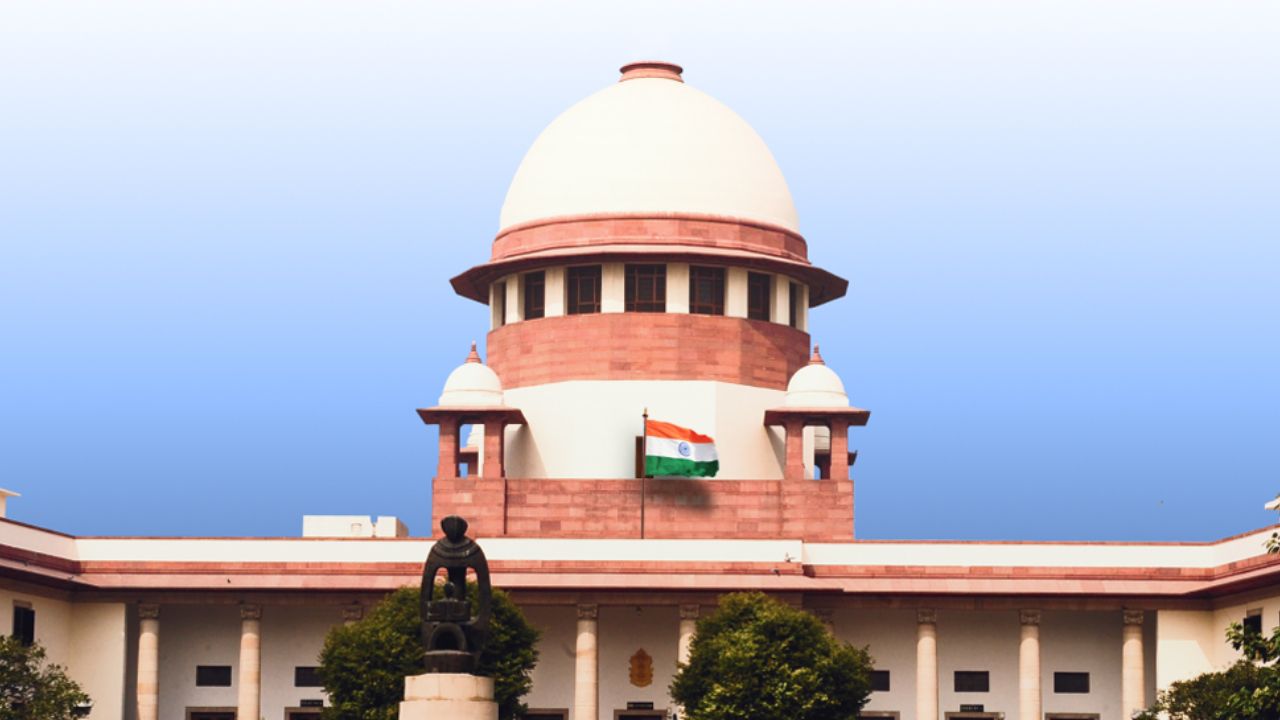
Supreme Court of India (Image Source: Internet)
New Delhi: Amidst the ongoing controversy surrounding the Special Intensive Revision (SIR) of the electoral roll in West Bengal, the Supreme Court on Friday passed an "extraordinary order." The court directed the Chief Justice of the Calcutta High Court to appoint serving and retired judicial officers as Electoral Registration Officers (EROs).
These officers will be tasked with handling claims and objections related to the addition and deletion of names from the electoral roll. The court clarified that this step was taken in light of the "extraordinary circumstances" arising in the state.
During the hearing, the Supreme Court also noted the "trust deficit" between the Mamata Banerjee government in West Bengal and the Election Commission. The court acknowledged that there were serious differences between the two parties regarding the deployment and rank of officials, which was impacting the voter list revision process.
The Supreme Court stated that in the current circumstances, it had become "virtually impossible" to determine which level of officials should be deployed for the SIR process. Therefore, the appointment of judicial officers was deemed necessary to ensure fairness and transparency.
The bench headed by the Chief Justice directed that serving and retired judicial officers at the level of District Judge or Additional District Judge be appointed for this responsibility. These officers will specifically hear cases where "logical discrepancies" have been identified regarding the inclusion or deletion of names in the voter list.
The court also stated that these judicial officers would be assisted by micro-observers and state government officials to ensure a smooth completion of the process.
The Supreme Court directed the state's District Collectors and Superintendents of Police (SPs) to provide the necessary logistical support and security to the appointed judicial officers. The court stressed the need for a transparent and safe conduct of the entire process.
Meanwhile, West Bengal Chief Minister Mamata Banerjee questioned the Election Commission's functioning, alleging that people were being targeted "like terrorists" in the name of SIR. She also referenced the Bangladesh elections. On the other hand, the Election Commission described the process as lawful and transparent.
This matter is no longer limited to an administrative dispute but has become a matter of political and constitutional importance. This intervention by the Supreme Court is being seen as an important step towards ensuring a fair and balanced electoral process in the state ahead of the upcoming elections.