English
 English

Supreme Court Orders CBI To Probe Nationwide Digital Arrest Scam
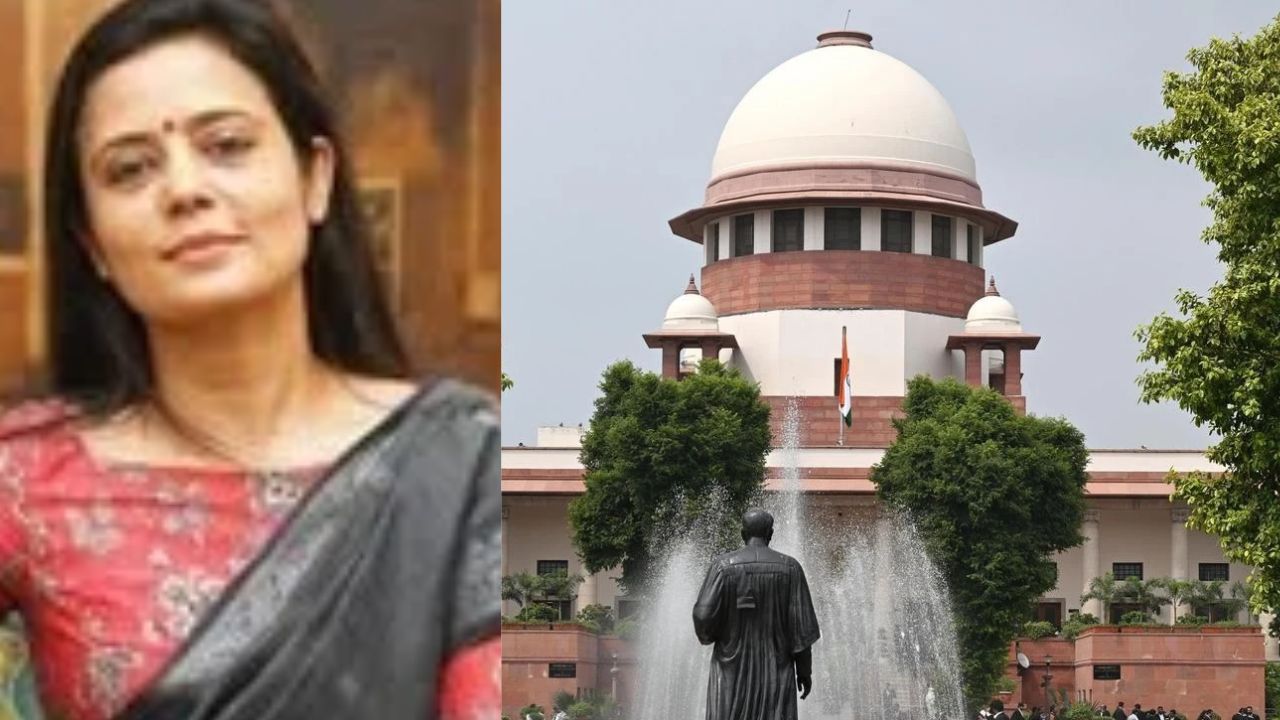
New Delhi: Taking a major step in addressing the growing number of digital fraud cases, the Supreme Court on Monday ordered the Central Bureau of Investigation (CBI) to conduct a comprehensive investigation into the nationwide digital arrest scam. The court described it as a serious threat to national security and civil rights, stating that swift and centralized action is essential to dismantle this cybercrime network.
The Supreme Court also explicitly asked opposition-ruled states like West Bengal, Tamil Nadu, Karnataka, and Telangana to allow the CBI to investigate digital arrest cases registered in their jurisdictions.
The court remarked that this is not a political matter but an issue of protecting ordinary citizens from digital criminals, and therefore, states should cooperate.
In digital arrest scams, cybercriminals pose as government officials, police officers, or agency employees to threaten people. They use fake video calls, digital notices, and fake documents to place people under "digital house arrest" and defraud them of lakhs of rupees.
The Supreme Court described it as a "rapidly spreading digital terror."
Instructions to reach out to foreign cyber gangs with the help of Interpol
The court ordered the CBI to identify cyber gangs operating from foreign countries, especially tax havens and seek the assistance of Interpol to dismantle these international networks.
The Supreme Court stated that digital arrest gangs are operating covertly outside India, making international cooperation essential.
The court told social media companies, communication apps, and tech intermediaries:
They must provide complete technical data, chat records, logs, and IP details to the CBI. They must not cause any delay or hindrance in the investigation. The court stated that lack of cooperation from tech companies has slowed investigations in many cases.
The Supreme Court issued a notice to the Reserve Bank of India (RBI), asking:
"When bank accounts are immediately activated in cyber fraud, why aren't they immediately frozen using AI or machine learning?" The court questioned why, despite modern technology, timely action is not taken against accounts opened by criminals.
Directing the Department of Telecommunications (DoT), the Supreme Court said:
Telecom companies should not issue more than one SIM to a single person. Multiple SIM cards are being used extensively in cyber crimes. The court said that SIM card fraud has become the most dangerous weapon in digital scams.
Calling the Digital Arrest scam one of the biggest cyber crimes in the country, the Supreme Court placed responsibility on everyone—the central government, states, the CBI, the RBI, and tech companies. The court said it is time for the entire system to work together to ensure the safety of citizens.