 English
 English

Supreme Court
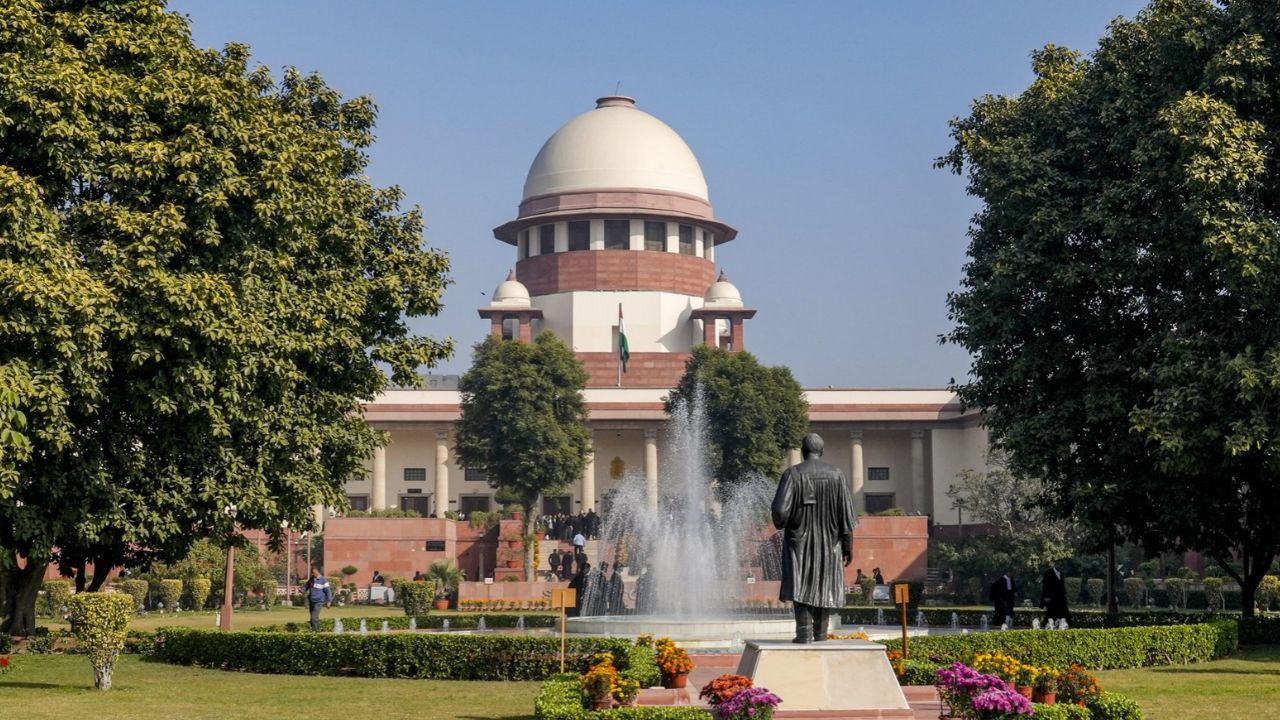
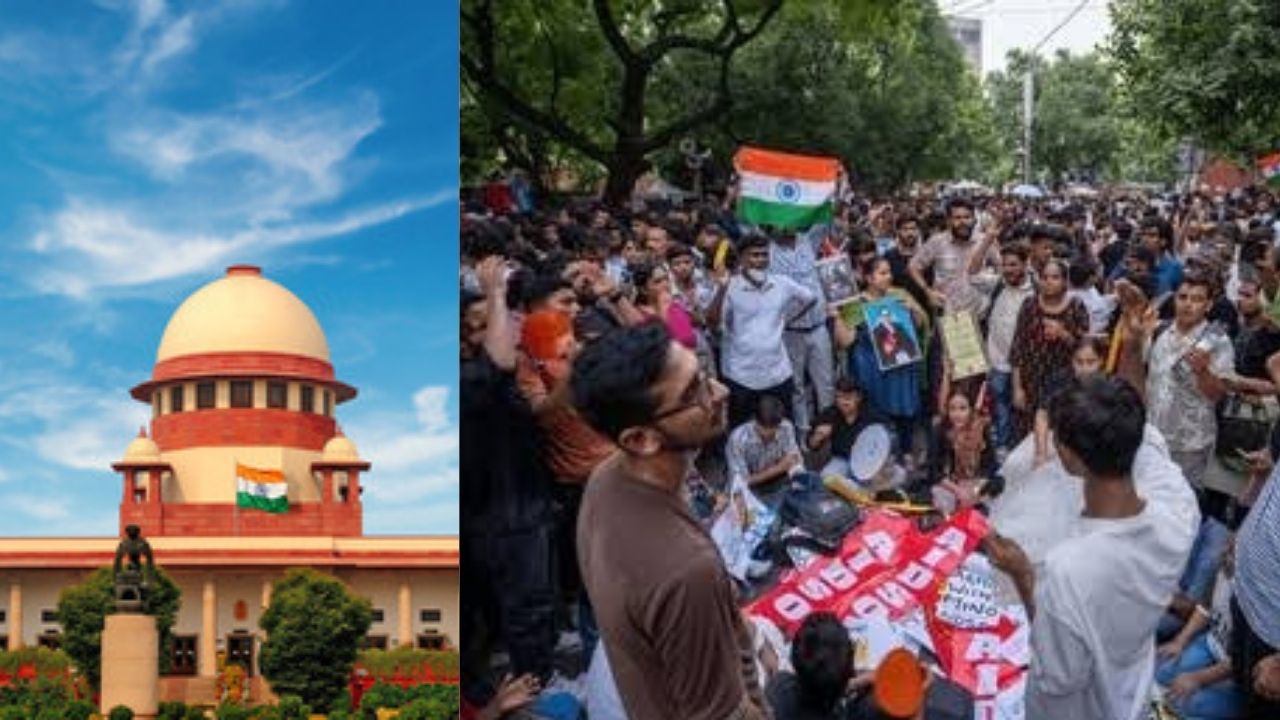
New Delhi: The Supreme Court on Tuesday upheld the authority of the Election Commission of India to carry out a Special Intensive Revision (SIR) of electoral rolls, stating that the exercise supports the constitutional principle of free and fair elections.
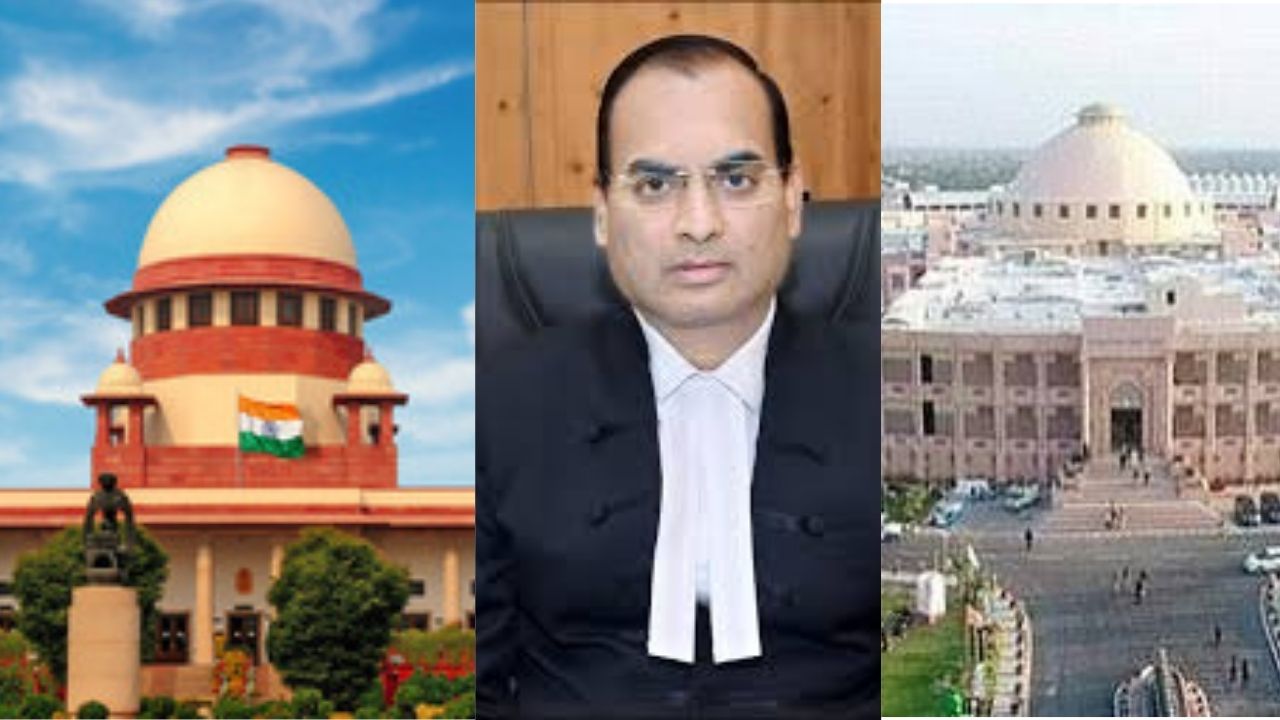
A Bench led by Justice Surya Kant and Justice Joymalya Bagchi delivered the verdict while hearing petitions challenging the Election Commission’s decision to conduct an SIR in Bihar through a notification issued in June last year.
Court Says EC Has Constitutional Authority
The Supreme Court ruled that the Election Commission has the authority to conduct such revisions under Article 324 of the Constitution, along with powers granted under the Representation of the People Act, 1950, and related rules.
The Court observed that the special revision process is directly linked to ensuring clean, accurate and reliable electoral rolls, which form the foundation of democracy and fair elections.
‘Free and Fair Elections Depend on Accurate Rolls’
In the judgment, the Court said that free and fair elections are not limited to the voting process alone but also depend on the credibility and correctness of voter lists.
The Bench noted that the Election Commission had provided valid reasons for carrying out the intensive revision, including:
The Court said these reasons were aimed at protecting the integrity of the electoral system.
Procedure Does Not Violate Law
Rejecting objections raised by the petitioners, the Supreme Court said the procedure adopted by the Election Commission did not violate the Representation of the People Act or the Registration of Electors Rules, 1960.
The Court also dismissed the argument that asking voters to submit supporting documents weakens the presumption of citizenship of those already listed as voters.
The judgment clarified that seeking documents during verification is only a procedural step to confirm or correct entries and does not cancel or deny an individual’s presumed citizenship status.
Key Observation by the Court
The Bench stated that when the law itself permits a special revision at any time, the Election Commission cannot be faulted simply because the process differs from routine revisions.
According to the Court, the SIR exercise does not override existing laws but works within the constitutional and legal framework to strengthen the electoral process.