 English
 English
New Delhi: Recent developments in Middle East have sent shockwaves across global politics, raising fears that the confrontation between the United States, Israel and Iran could escalate into a broader regional conflict. What began as a series of military actions has quickly turned into a complex geopolitical crisis involving strategic alliances, energy security and international diplomacy.
In a detailed discussion on the show The MTA Speaks, senior journalist Manoj Tibrewal Akash analysed how the confrontation began, what has happened so far and the possible scenarios ahead.
Israel-Iran War: PM Modi to chair crucial CCS meeting in Delhi tonight; What’s on agenda?
Tensions between Israel and Iran had been building for months. The two countries have long engaged in a shadow conflict involving cyberattacks, proxy groups and military operations in regions such as Syria and Lebanon. The United States, a key strategic ally of Israel, has also been critical of Iran’s nuclear program and its expanding regional influence.
According to reports, a joint US-Israel operation allegedly carried out targeted strikes within Iran, reportedly aimed at senior political and military leadership. Claims emerged that Iran’s Supreme Leader Ali Khamenei was killed along with several high-ranking officials, though independent confirmation remains limited.
Israel has also claimed that dozens of Iranian commanders were killed in the operation, describing it as a major blow to Iran’s military command structure.
The developments triggered strong reactions from global leaders. Vladimir Putin condemned the reported killing, calling it a “cynical murder” and a violation of international law and moral standards.
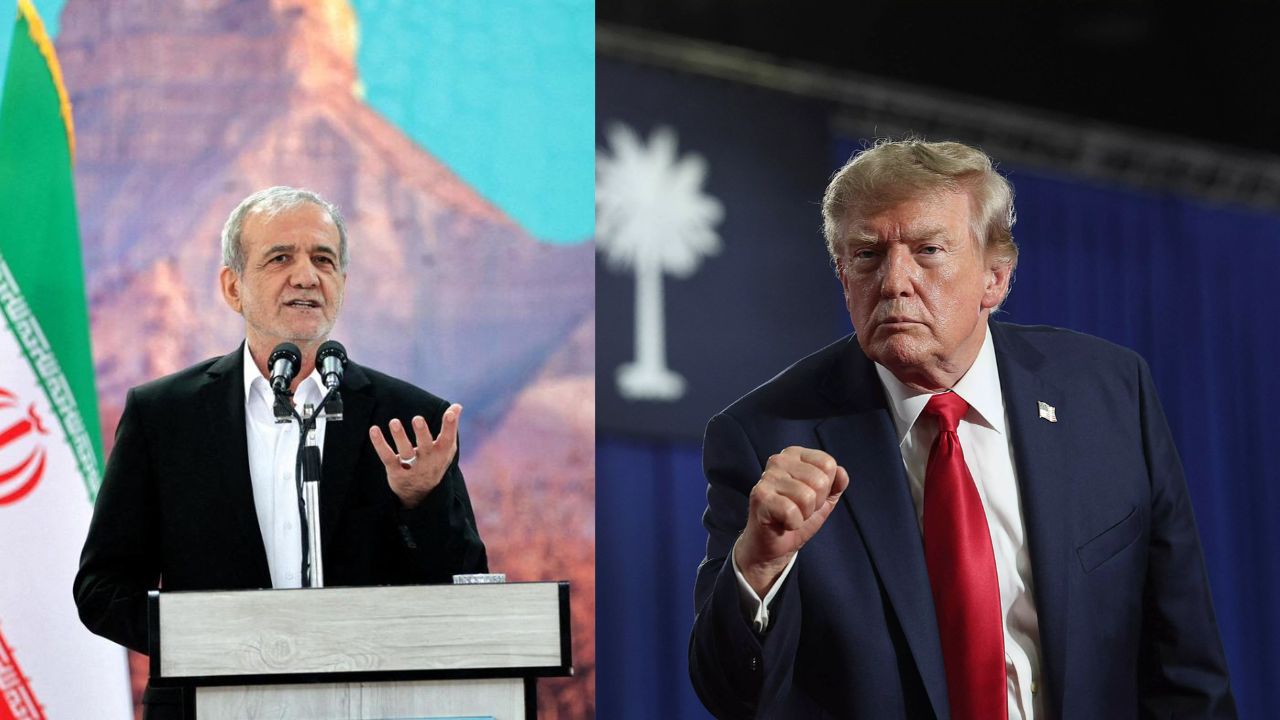
Meanwhile, China called for restraint and urged the international community to pursue diplomatic solutions, while discussions were reportedly sought at the United Nations. Iran has warned that it may target American interests worldwide in response to the strikes.
Iran soon launched retaliatory attacks using missiles and drones, reportedly targeting military installations linked to US and Israeli forces in the Gulf region. Several countries placed their defence forces on high alert.
The crisis has also disrupted international aviation routes, with multiple flights being diverted away from Middle Eastern airspace.
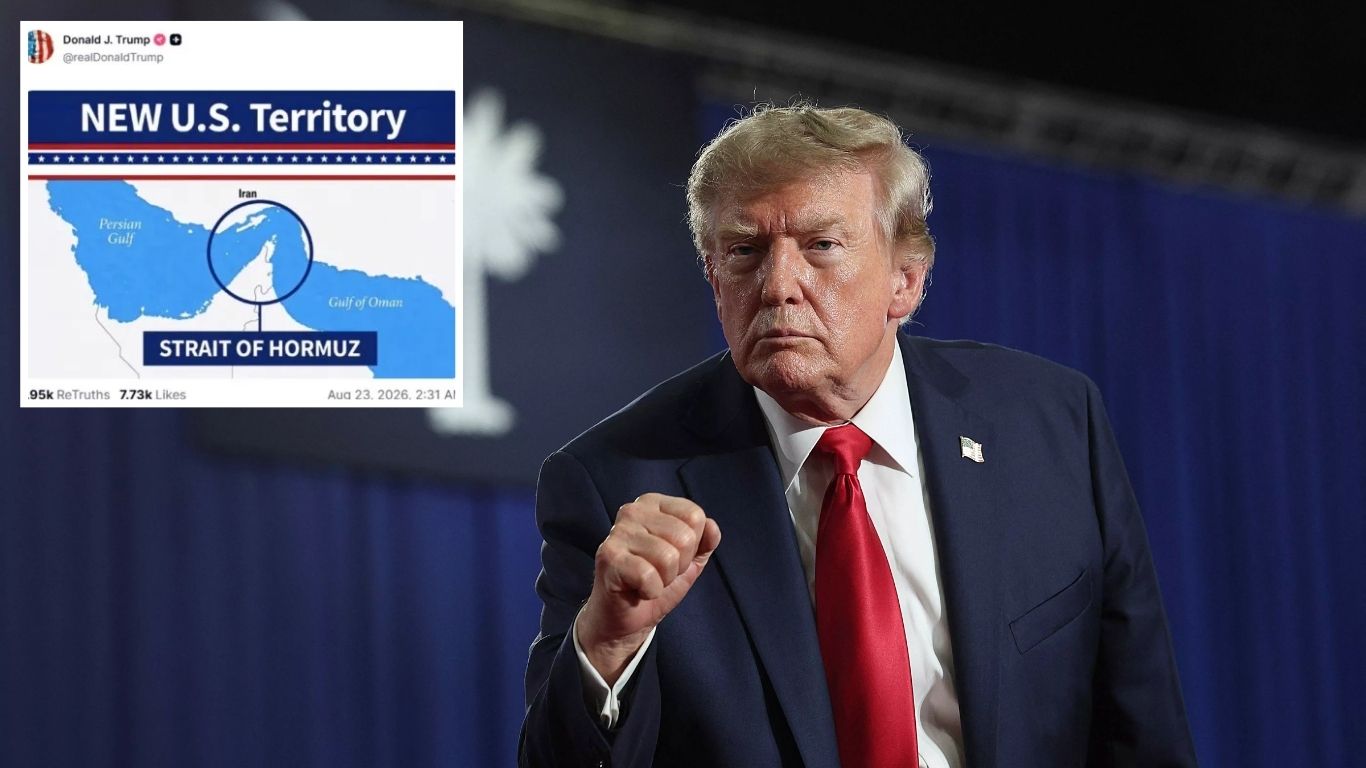
At the same time, tensions have increased around the Strait of Hormuz, a critical shipping route through which a significant portion of the world’s oil supply passes. Any disruption in the waterway could trigger major spikes in global energy prices.
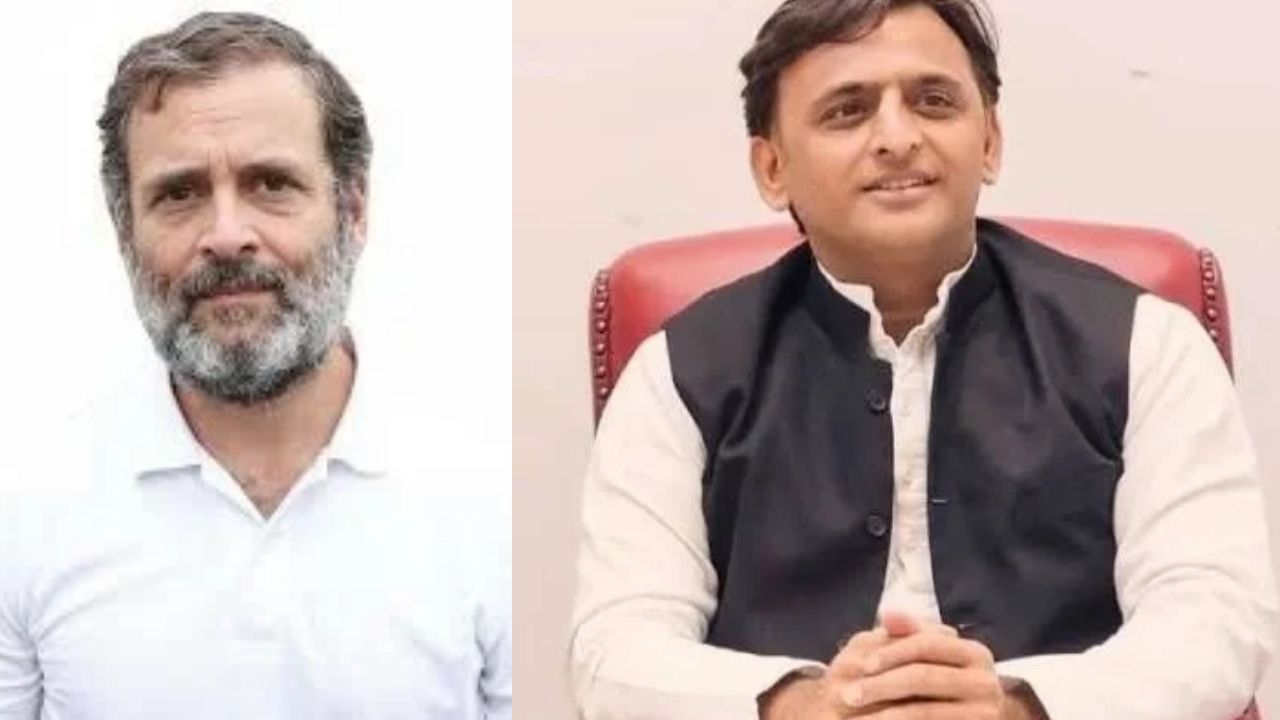
The situation has also drawn reactions in India. Opposition leaders such as Akhilesh Yadav have urged the government to clarify its position on the escalating conflict. Similarly, Priyanka Gandhi called for immediate steps to ensure the safety and evacuation of Indian citizens who may be affected by the crisis.
India faces a complex challenge as it maintains strategic relations with Israel and the United States while also relying on energy imports and diplomatic ties with Iran and Gulf nations.
Experts believe several scenarios could unfold. The conflict may remain limited with diplomatic intervention reducing tensions. However, there is also a risk of wider regional involvement, including Gulf states or proxy groups operating across multiple fronts.
Another possibility is escalation in maritime and cyber domains, which could disrupt global trade and security networks. History shows that even a single spark in West Asia can trigger a global crisis. For now, analysts say diplomacy and restraint will be crucial to prevent the situation from spiralling into a larger war.