English
 English

Uproa in Lok Sabha over seats increase
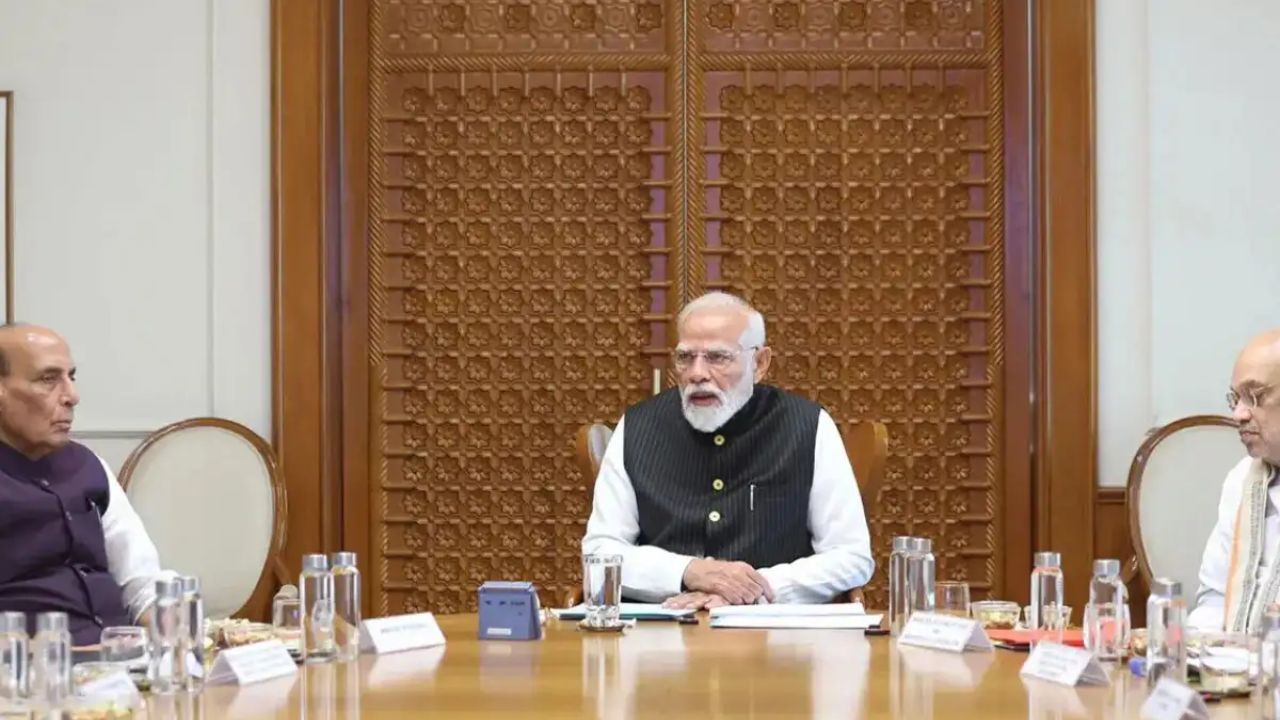
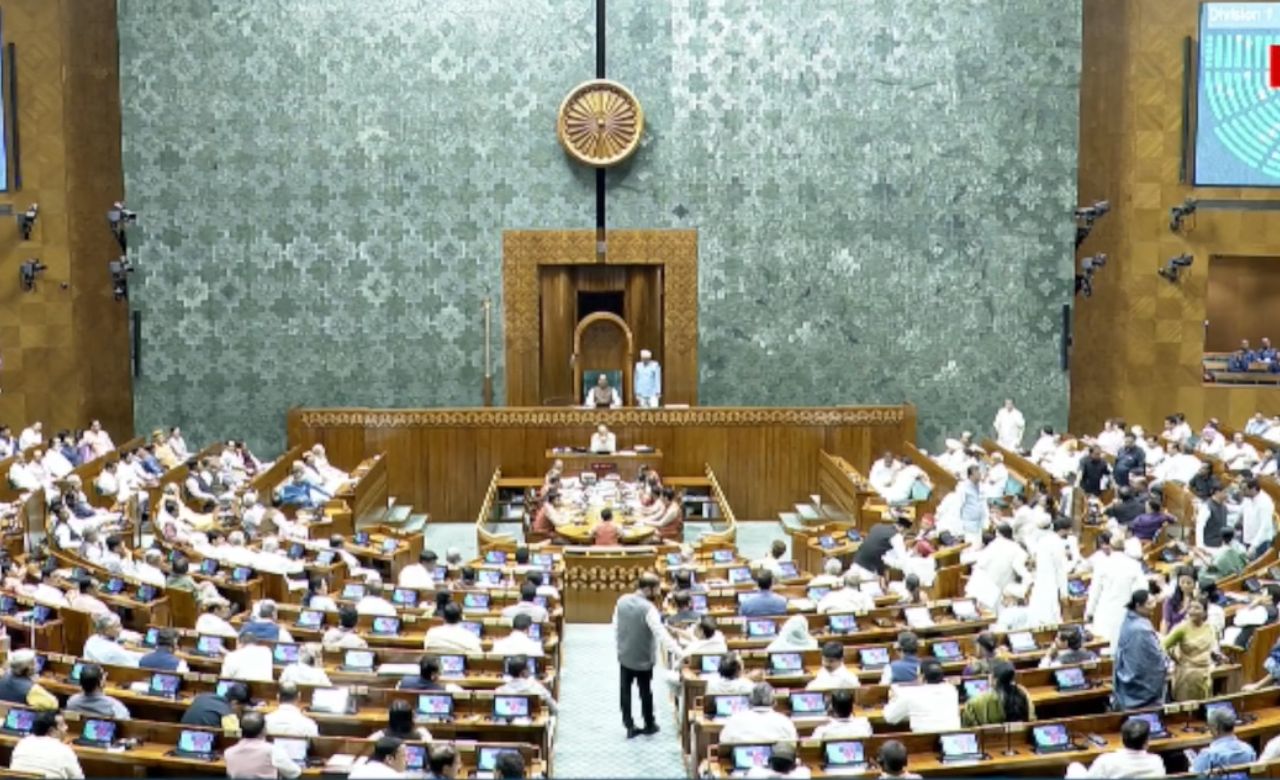
New Delhi: The Central Government has convened a three-day special session of Parliament starting today, during which it is expected to introduce three major bills aimed at reshaping India’s electoral framework and system of representation. The session is widely expected to witness intense debate and confrontation between the government and opposition.
Key Legislative Proposals on the Table
The government is set to introduce the following three bills:
These proposed legislations are expected to bring significant changes to parliamentary representation and constituency boundaries across the country.
Opposition Raises Alarm Over Federal Balance
Opposition parties have strongly objected to the proposed reforms, alleging that the changes to delimitation and representation could disproportionately affect southern and smaller states.
They argue that the proposals may reduce the relative political influence of southern states in the Lok Sabha, thereby disturbing India’s federal balance.
Proposed New Delimitation Formula Explained
According to reports, the upcoming delimitation exercise may not rely exclusively on the 2011 Census data. Instead, a revised formula is being considered, under which Lok Sabha seats across all states could be increased proportionally by around 50%.
The government claims this approach would ensure broader and more equitable representation for all states in Parliament.
Projected Changes in Parliamentary Representation
If implemented, several states are expected to see a sharp rise in their Lok Sabha seat count, including:
The proposal would significantly expand the size of the Lok Sabha and reshape the balance of representation among states.
Debate Over Regional Balance: North vs South
Critics argue that a delimitation exercise based on older population patterns could create an imbalance between northern and southern states. Reports suggest that, under the proposed approach, southern states could end up with relatively reduced representation compared to states in the Hindi belt.
This has intensified political debate over fairness, population growth disparities, and federal equity.
Proposal to Expand Lok Sabha Strength
Another key feature of the proposal is an increase in the maximum strength of the Lok Sabha from 550 to 850 seats. The current House has 543 elected members.
However, officials emphasize that these figures are still under consideration, and no final decision has been made pending parliamentary discussion.
Opposition Vows Strong Resistance
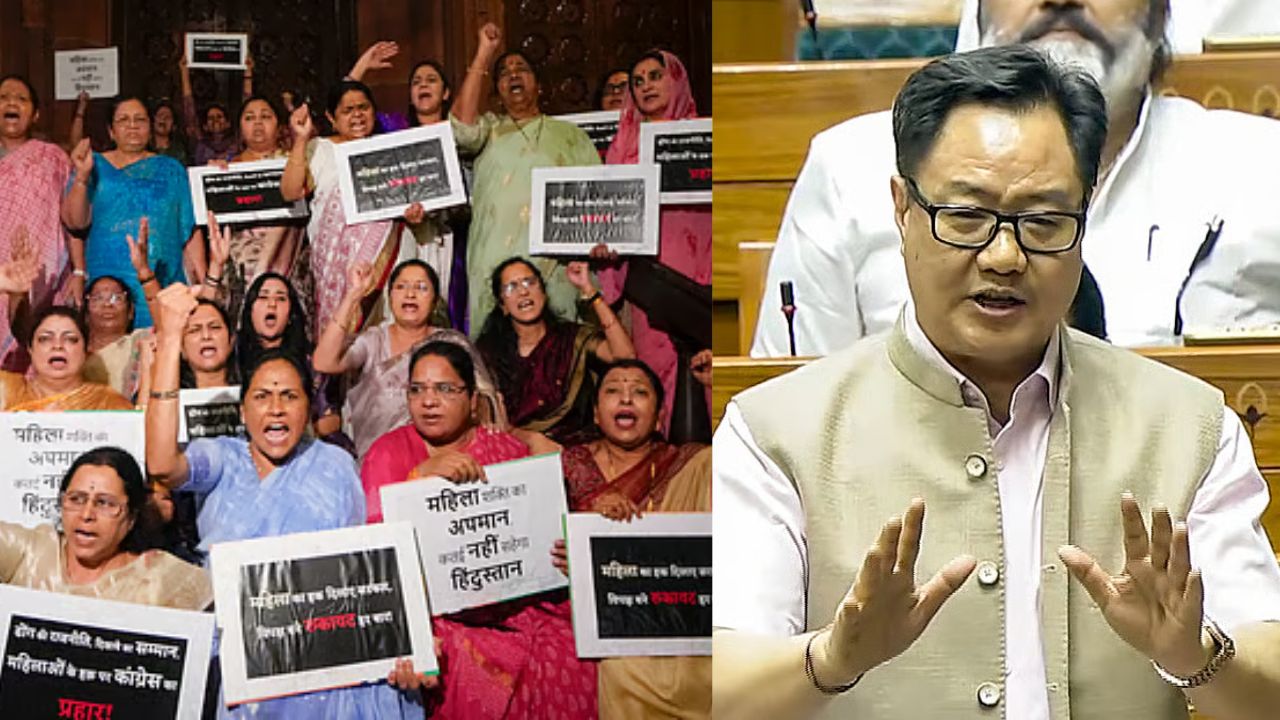
Opposition parties have declared that they will oppose any constitutional amendment linked to delimitation. They claim the move could disadvantage smaller and southern states and undermine balanced representation in Parliament.
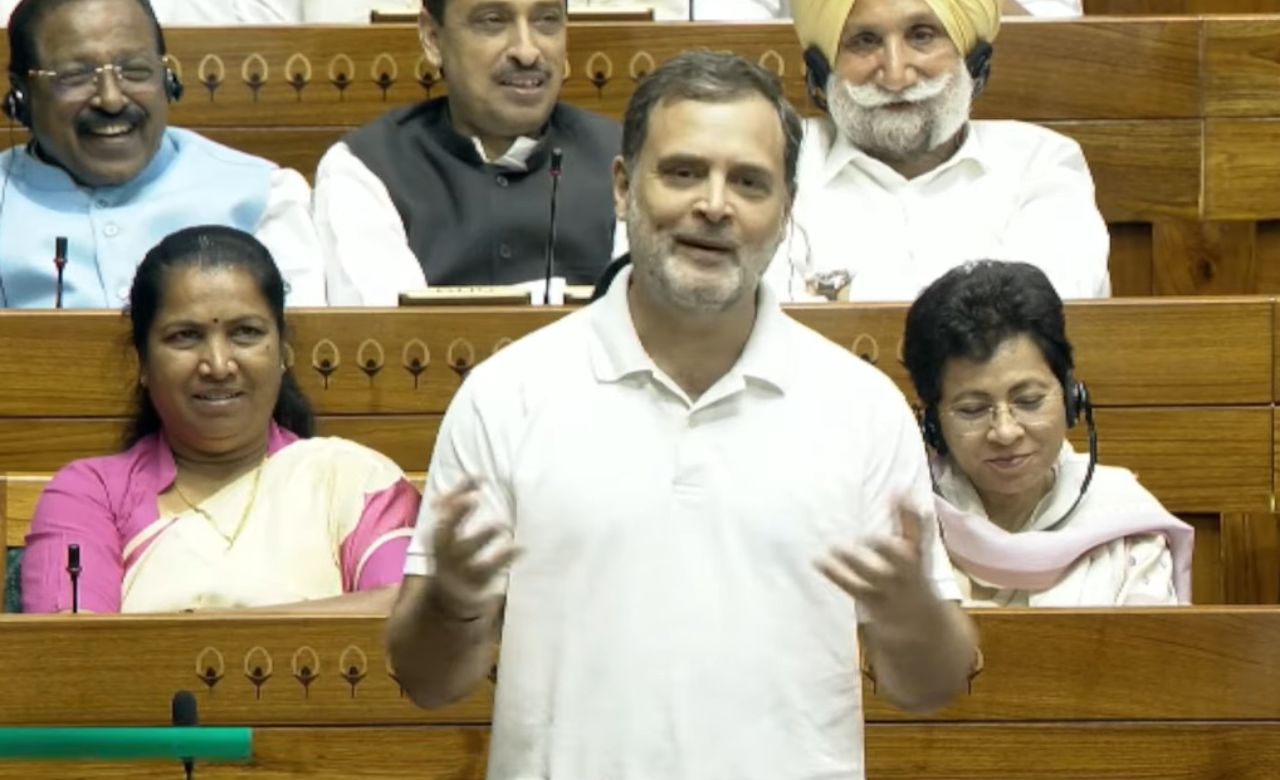
Rahul Gandhi Calls Proposal “Anti-Constitutional”
Congress leader Rahul Gandhi has strongly criticized the proposal, describing it as an “anti-national act.” He has also urged the government to first implement the long-pending 33% women’s reservation in the Lok Sabha based on the current strength of 543 seats.