 English
 English
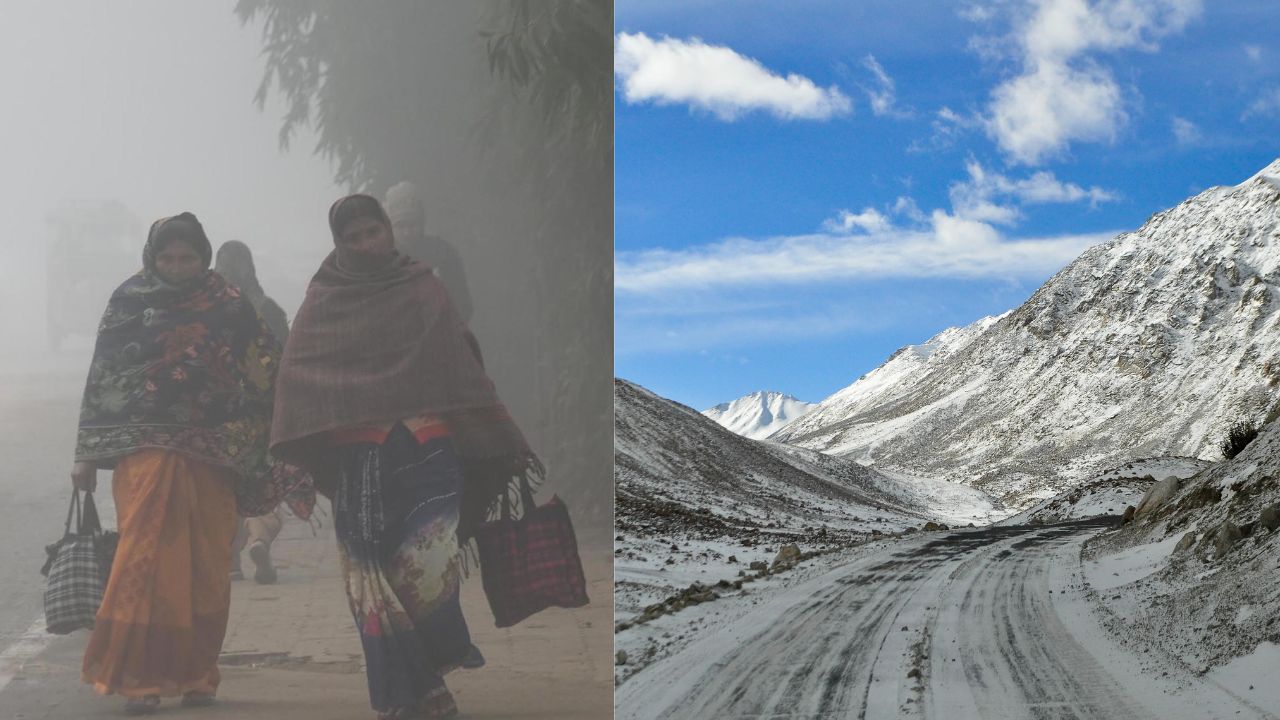
Active Western Disturbances and cyclonic systems in North India have once again changed the weather patterns. Snowfall in the mountains and a cold wave in the plains have intensified the cold. Temperatures have dropped below normal in Delhi-NCR.
Intensified Western Disturbance Deepens North India’s Cold Wave
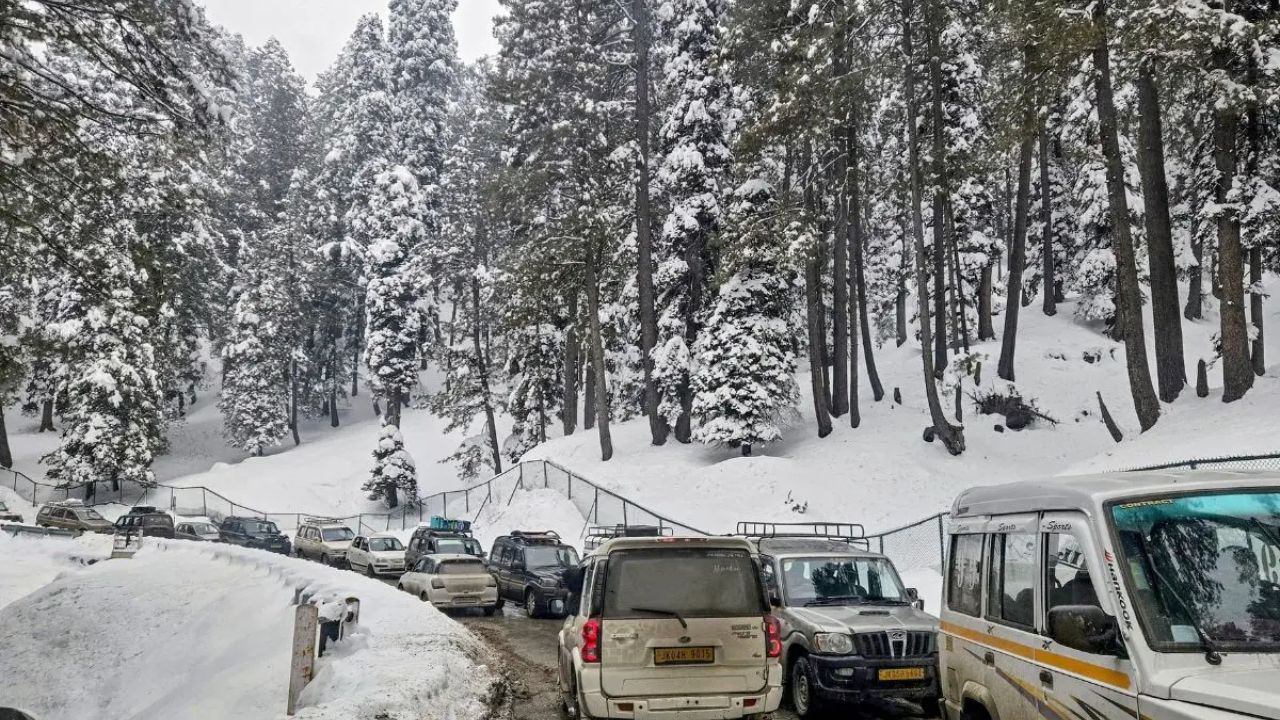
New Delhi: In North India, the weather has taken a sudden turn with the beginning of December. Due to the influence of active Western Disturbances and several cyclonic systems, the cold spell has intensified in the hilly and plains states. While the higher reaches of Uttarakhand, Himachal Pradesh, and Jammu and Kashmir are grappling with snowfall and sub-zero temperatures, a cold wave has gripped Delhi-NCR, Punjab, Haryana, and Uttar Pradesh, causing people to shiver.
According to the Meteorological Department, the continuously active Western Disturbances in North India are the main reason for the changing weather patterns. A strong Western Disturbance is active over northern Punjab at an altitude of 3.1 to 4.5 km, causing a cyclonic circulation that is affecting northwestern Uttar Pradesh. Another disturbance is spreading in the upper atmosphere, which could further increase rainfall and snowfall in the coming days. This is why the possibility of snowfall in the higher reaches of Uttarakhand has increased in the coming days.
Himachal Pradesh is currently experiencing dry and extremely cold weather. Minimum temperatures have dropped below 5 degrees Celsius in many places. The Shimla Meteorological Centre has issued a forecast of light rain and snowfall in the upper reaches of Chamba, Kangra, and Kullu districts between December 5th and 7th, which could further lower temperatures.
The Kashmir Valley is in the grip of a severe cold wave. The temperature in Srinagar was recorded at minus 4.0 degrees, Pahalgam at minus 4.8, Leh at minus 9.0, and Nubra Valley at minus 7.6 degrees Celsius. Light rain or snowfall is also expected in parts of Jammu and Kashmir, Ladakh, Gilgit-Baltistan, and Muzaffarabad. This is likely to intensify the cold in the hilly areas.
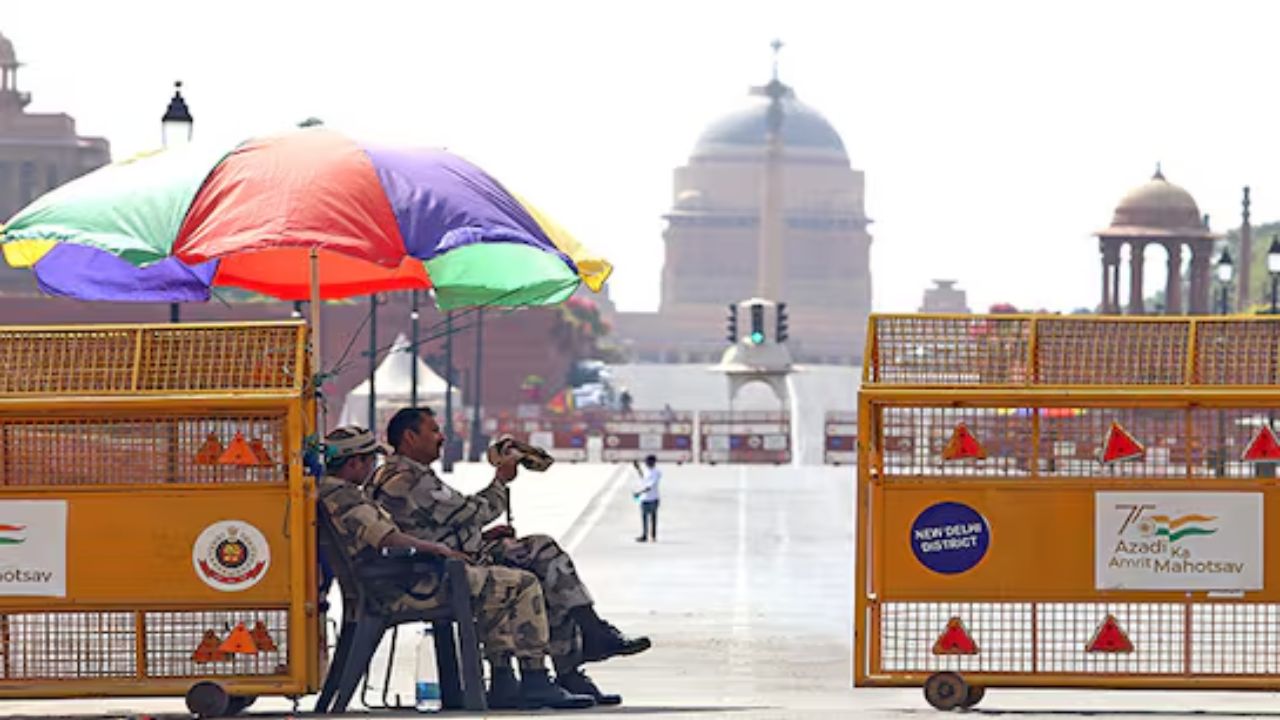
In Delhi-NCR, the minimum temperature is 4-5 degrees below normal, resulting in a persistent cold wave. Cold conditions have intensified in Punjab and Haryana due to dry winds and the influence of a Western Disturbance. According to the Meteorological Department, the cold wave is likely to intensify further in the plains states in the coming days. Temperatures will not change significantly in large parts of Northwest India over the next 24 hours, but are expected to rise by 3-4 degrees over the following four days.
Eastern Rajasthan, Jharkhand, and Northeast India may experience a drop in temperatures over the next two days. Meanwhile, temperatures are likely to remain stable in Maharashtra for the next five days, after which they may fall by 2-3 degrees over the following two days. The weather in Gujarat is expected to remain largely stable next week.