 English
 English
The Madras High Court’s Madurai bench directed the CBCID to include SC/ST Act provisions in the custodial death case of Aakash and formed a peace committee to persuade protesters blocking a national highway to shift their agitation.
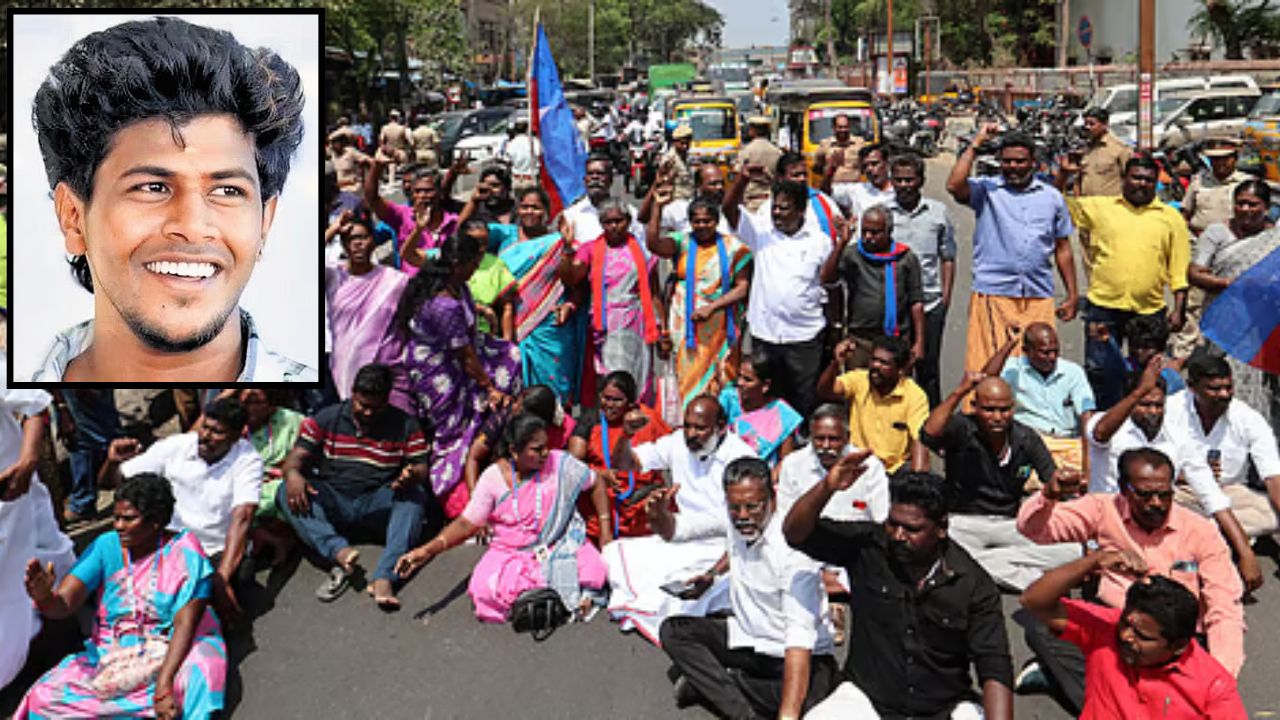
The postmortem of 26-year-old Akash was conducted at Government Rajaji Hospital
Madurai: The Madurai bench of the Madras High Court has directed the Crime Branch-Criminal Investigation Department (CBCID) to modify the First Information Report in the alleged custodial death of Akash and include provisions under the Scheduled Castes and Scheduled Tribes (Prevention of Atrocities) Act, 1989.
Justice Victoria Gowri issued the directive while hearing matters related to protests that erupted following the death of the youth in police custody.
LPG Cylinder Shortage: IOCL Chennai temporarily halts commercial LPG supply amid global disruptions
During the hearing, the court observed that it stands with the people protesting over the custodial death and acknowledged their demand for justice.
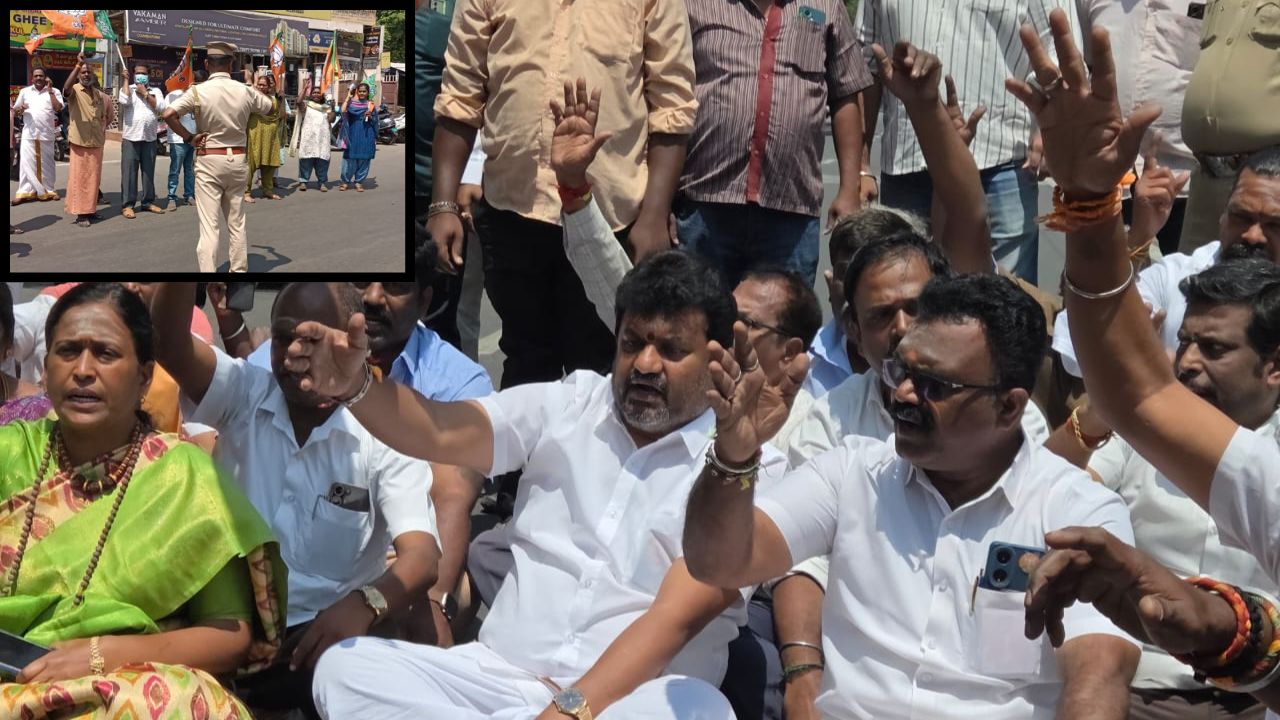
However, the judge also noted the difficulties caused by the ongoing blockade of a national highway in the Manamadurai area. The protests had disrupted traffic and affected normal movement in the region.
To address the situation, Justice Victoria Gowri constituted a peace committee consisting of three advocates. The committee has been tasked with initiating dialogue with the protesters.
The court asked the panel to persuade demonstrators to shift their agitation from the national highway to the Manamadurai old bus stand so that public movement is not severely affected while allowing the protest to continue peacefully.
Supreme Court permits euthanasia in Harish Rana case after 13 years in coma
Meanwhile, the Tamil Nadu government has already ordered a probe by the CBCID into the custodial death case. The investigation agency is expected to examine the circumstances surrounding Aakash’s death and determine whether there was any wrongdoing by officials.
The inclusion of provisions under the SC/ST Act could significantly impact the investigation if the victim is found to belong to a Scheduled Caste or Scheduled Tribe community and if caste-based offences are established.
The case has drawn widespread attention in Tamil Nadu, with civil society groups and activists calling for a transparent investigation and accountability.