English
 English

Supreme Court has stayed the Madras High Court's blanket ban on cow slaughter in Tamil Nadu. (Photo: IG/CMOTamilnadu)
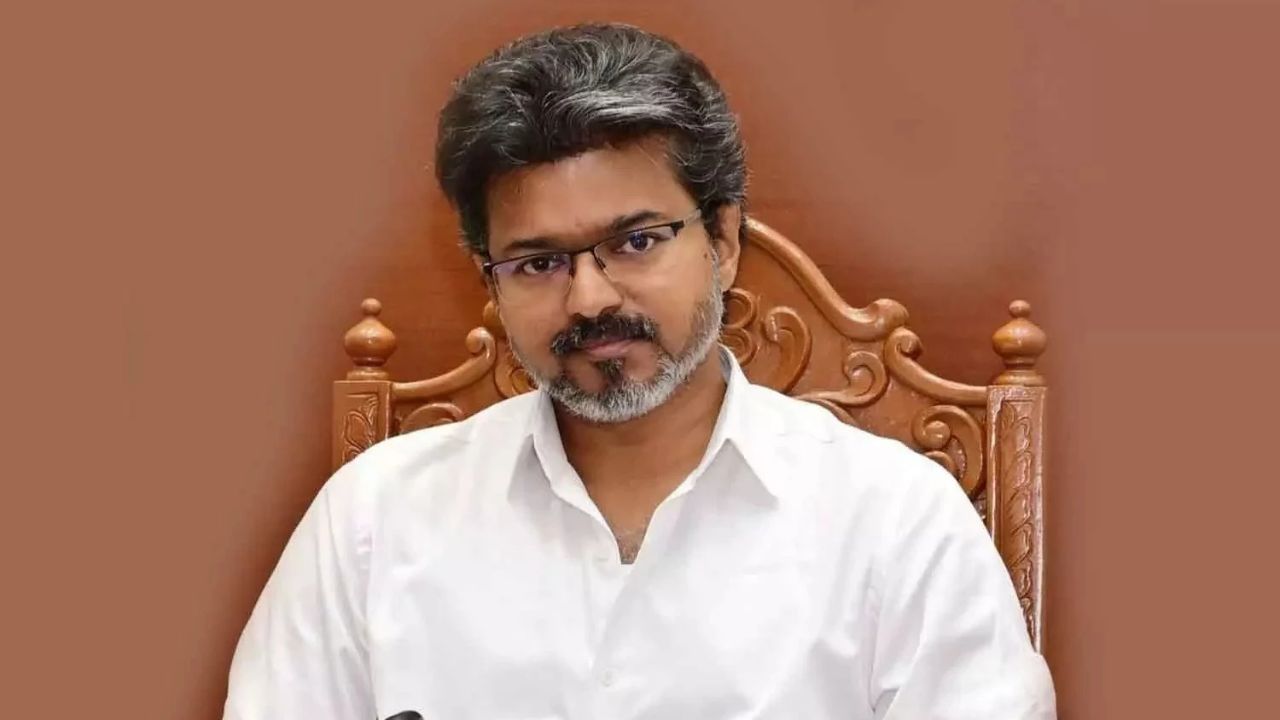
Chennai: Tamil Nadu Chief Minister C Joseph Vijay’s high-level meeting on the proposed Delimitation Bill 2026 ended with participating parties passing a major resolution against any move that could reduce the state’s political strength in Parliament. The parties demanded that the Lok Sabha’s current strength of 543 seats should remain unchanged and that the existing seat allocation among states should not be disturbed.
The meeting, held in Chennai on Saturday, was called by Vijay to discuss the possible impact of the Centre’s proposed delimitation exercise and prepare a common strategy for Tamil Nadu. However, the initiative faced a major political setback as 37 of the state’s 57 MPs stayed away from the discussion, with the DMK, AIADMK and several of their allies boycotting the meeting.
The discussion was attended by MPs from Vijay-led Tamilaga Vettri Kazhagam (TVK) and its alliance partners, including the Congress, Viduthalai Chiruthaigal Katchi (VCK), Marumalarchi Dravida Munnetra Kazhagam (MDMK), Indian Union Muslim League (IUML), along with Left parties such as the Communist Party of India (CPI) and Communist Party of India (Marxist).
The resolution passed during the meeting opposed any delimitation process that could reduce Tamil Nadu’s political influence in Parliament. Leaders argued that states which successfully implemented population control measures over decades should not face electoral disadvantages because of demographic changes.
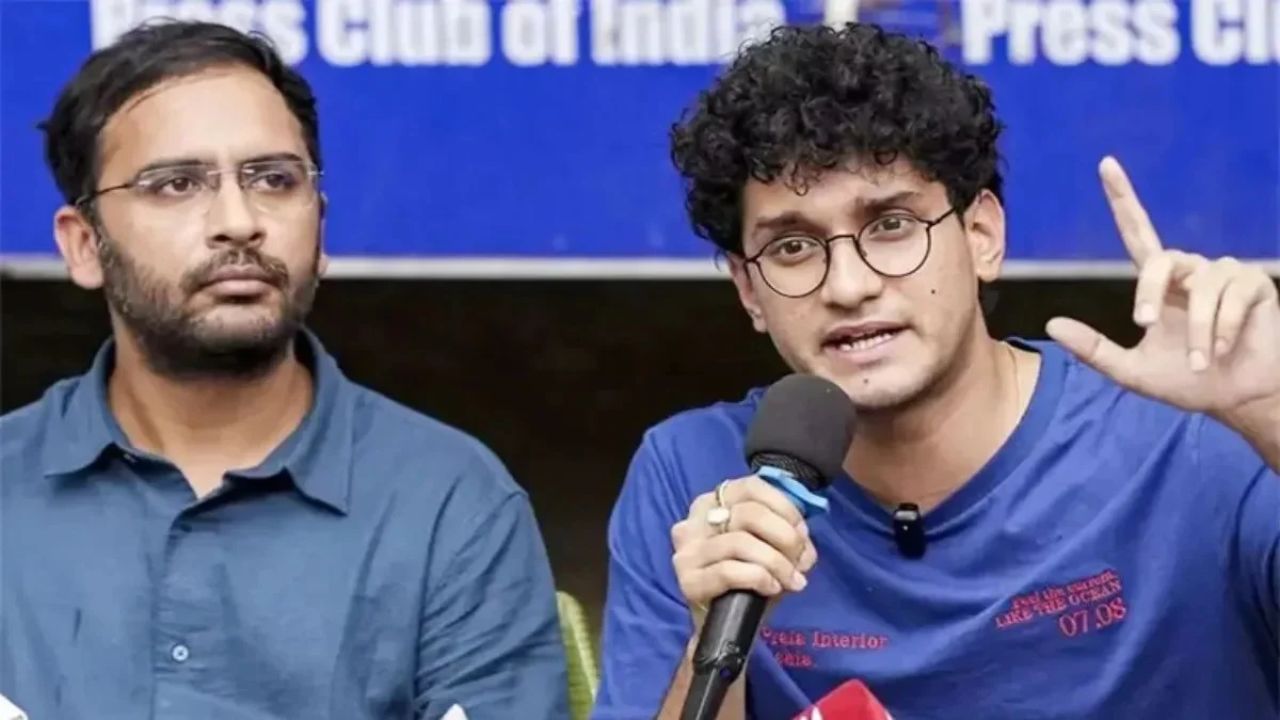
Congress leader Karti Chidambaram, speaking after the meeting, said that all participating parties agreed that the Lok Sabha’s strength should remain fixed at 543 seats. He added that Tamil Nadu’s share in Parliament should not be reduced through any future constituency restructuring exercise.
The delimitation debate has emerged as a major political issue across southern India, with states including Tamil Nadu, Kerala, Karnataka, Andhra Pradesh and Telangana expressing concerns over possible changes in parliamentary representation.
Delimitation is the constitutional process of redrawing electoral boundaries to ensure equal representation among constituencies. The exercise is carried out through a Delimitation Commission and directly affects the number of Lok Sabha and Assembly seats allocated to different regions.
Southern states have argued that they should not lose political weight despite successfully controlling population growth through decades of social and economic policies. Leaders fear that population-based redistribution of seats could increase the influence of states with higher population growth while reducing the relative strength of southern states.
Chief Minister Vijay’s attempt to bring political parties together faced a major challenge after the DMK and AIADMK decided to skip the meeting.
The DMK and AIADMK, along with some of their allies, questioned the timing and purpose of the discussion. They argued that there was no final draft of the Delimitation Bill available and that the Union government had not officially announced its introduction in Parliament.
The DMK maintained that Tamil Nadu’s political parties had already established their position on protecting the state’s parliamentary strength through earlier discussions and resolutions.
Senior DMK leader A Raja criticised the meeting, saying that discussions were being held without clarity on the proposed legislation. The party also accused the Vijay government of focusing on delimitation while ignoring key issues such as the Cauvery water dispute and the Mekedatu dam controversy.
The AIADMK also opposed the meeting, questioning why discussions were being held on a bill that has not yet been introduced in Parliament. The party said the government should instead focus on the Cauvery-Mekedatu issue, which directly affects Tamil Nadu’s farmers, water security and interstate relations.
While the DMK and AIADMK stayed away, several parties participated in the discussion and supported the resolution opposing any reduction in Tamil Nadu’s parliamentary strength.
Among those present were senior Congress leaders, including former Union minister P Chidambaram and MP Karti Chidambaram, VCK leader Thol Thirumavalavan, MDMK leader Durai Vaiko, Congress MP Jothimani and representatives from the Left parties.
Tamil Nadu Chief Secretary M Sai Kumar had reportedly sent invitations to MPs on August 6 and 7. The meeting was held at Kalaivanar Arangam, a government-owned auditorium near the Secretariat in Chennai.
The participating leaders discussed the constitutional, political and federal implications of delimitation and agreed that Tamil Nadu’s political share in Parliament must be protected.
The proposed delimitation exercise has become controversial because southern states believe it could alter the balance of political power in the country.
Tamil Nadu and other southern states argue that they should not be disadvantaged for successfully implementing population stabilisation policies. They fear that population-based seat redistribution could reduce their voice in Parliament despite their contribution to India’s development and economic growth.
The debate has now expanded beyond electoral boundaries and raised larger questions about federalism, equal representation and the distribution of political power between different regions.
Any change in constituency boundaries could impact election strategies, political calculations and the number of MPs representing various states.
The proposed Delimitation Bill 2026 is linked with major electoral reforms, including constituency restructuring, possible expansion of parliamentary seats and implementation of women’s reservation in legislatures.
Since delimitation involves constitutional provisions, any major changes require approval through the prescribed parliamentary process, including special majority requirements wherever applicable.
The Centre’s possible move to bring the legislation during an upcoming Parliament session has increased political discussions across the country.
Cauvery Dispute Adds Another Political Angle
The delimitation controversy has also intensified the political debate over the long-running Cauvery water dispute between Tamil Nadu and Karnataka.
Tamil Nadu has strongly opposed Karnataka’s proposed Mekedatu balancing reservoir project, arguing that it could affect water availability for farmers and impact the state’s agricultural interests.
The DMK has repeatedly demanded a separate all-party meeting on the Cauvery issue and accused the Vijay government of ignoring the matter.
The party has also questioned whether the Tamil Nadu government would send a delegation of MPs to meet the Union Water Resources Ministry and submit the state Assembly resolution opposing the Mekedatu project.
The deliberations aimed at creating a united Tamil Nadu position before the Centre moves forward with the delimitation process. However, the boycott by the DMK, AIADMK and their allies exposed the deep political divisions within the state. While the parties attending the meeting adopted a resolution demanding protection of Tamil Nadu’s parliamentary strength, Opposition parties questioned the need and timing of the discussion.
The delimitation debate has now moved beyond constituency boundaries and become a larger political battle involving constitutional representation, state rights, federal structure, population policy and electoral reforms. As the Centre prepares to take forward discussions on delimitation, Tamil Nadu is likely to remain one of the most important states shaping the national debate over the future structure of India’s electoral system.