English
 English

Market Crash at Open: Rising Crude Prices Rattle Dalal Street
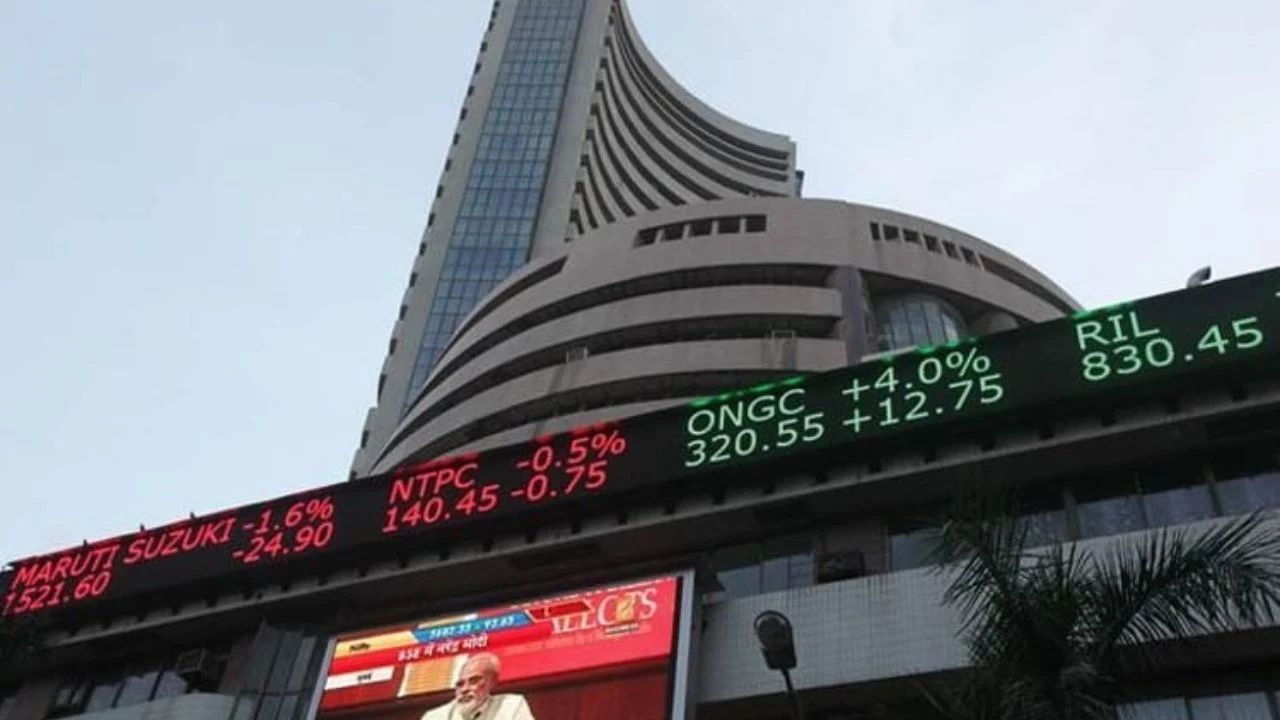
Mumbai: The stock market opened with a sharp decline on the first trading day of the week. Rising geopolitical tensions in the Middle East and selling pressure in global markets led to panic in Indian markets. The BSE Sensex plummeted by more than 1,100 points in the opening hours, while the Nifty 50 slipped below 24,850. At 9:16 am, the Sensex was at 80,226.63, a decline of 1,061 points (1.30%). The Nifty was trading at 24,866, down 313 points (1.24%).
Analysts believe that rising tensions in the Middle East have led to a surge in crude oil prices, which directly impacts import-dependent countries like India. Higher crude oil prices increase corporate costs and pressure profits. This is why investors began selling as soon as the market opened.
The rise in crude oil prices could particularly impact oil marketing companies, paints, tires, aviation, and the chemical sector. Rising input costs in these industries are expected to reduce margins. Fuel is the largest expense for aviation companies, which is why this sector is experiencing weakness. Paint and tire companies may also be affected by rising raw material prices.
While downstream companies are under pressure, upstream oil producing companies could benefit. Companies like Oil and Natural Gas Corporation (ONGC) and Oil India Limited could achieve better realizations by selling crude oil at higher prices. Additionally, defense companies such as Hindustan Aeronautics Limited (HAL) and Bharat Electronics Limited (BEL) may also see positive growth, as defense spending is expected to increase during times of global tensions.
The India VIX, a market volatility indicator, jumped nearly 13%, reflecting investor anxiety. Experts say that market volatility may continue until global conditions stabilize. For now, investors are advised to remain cautious and focus on long-term strategies.