English
 English

Representational Image
New Delhi: India is facing what experts call a silent mental health crisis. The World Health Organization estimates that nearly 197 million Indians live with some form of mental illness, yet many do not seek professional help due to stigma, accessibility, or cost.
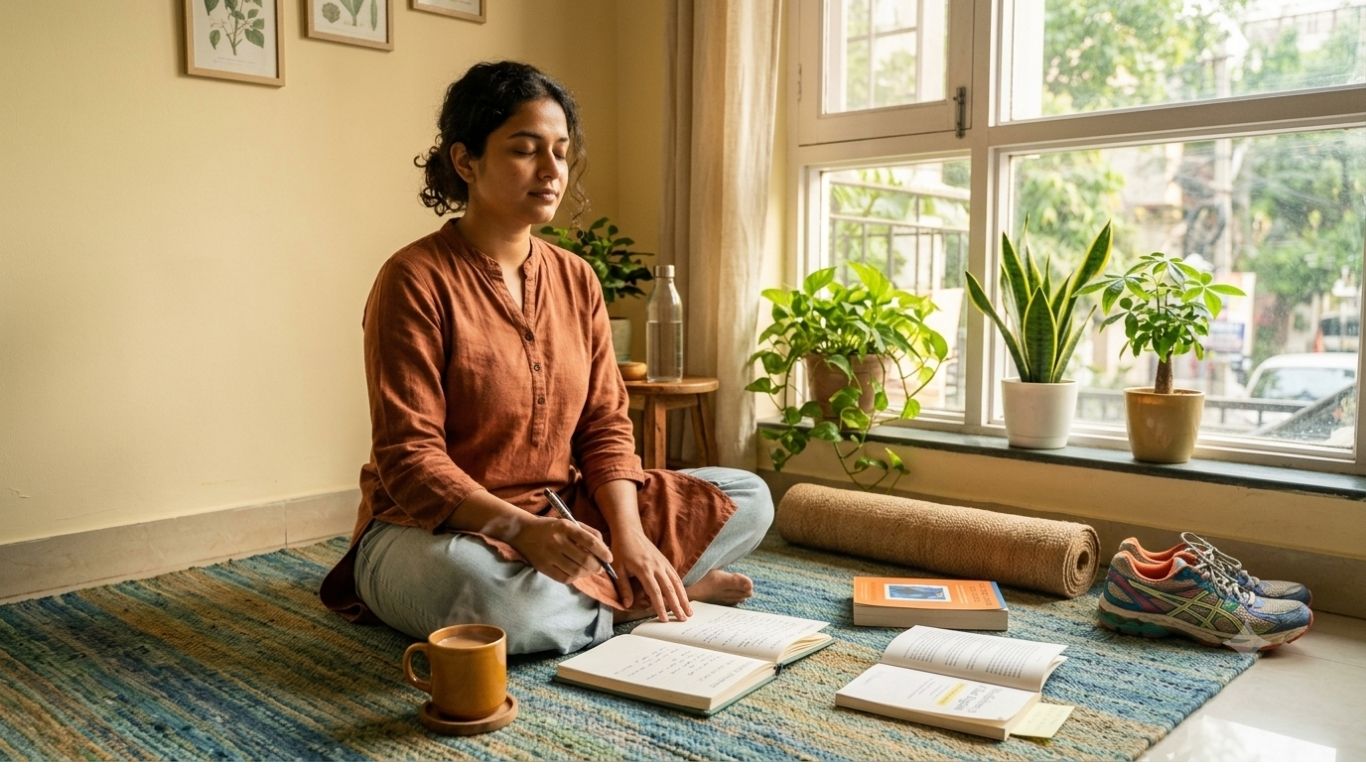
Amid this, spirituality, introspection, and self-reflection are increasingly recognized as complementary factors in emotional well-being.
"India has a rich tradition of meditation, yoga, and mindfulness, which can be highly beneficial alongside modern mental health care," says Dr. Pritika Singh, healthcare entrepreneur and CEO of Prayag Hospitals.
Why Spirituality and Mental Health Are Linked
For millennia, Indian practices such as yoga, meditation, Vedanta, and Buddhist mindfulness have focused on emotional regulation, self-awareness, and introspection. Contemporary research is now exploring how these practices may complement therapy for stress, anxiety, and emotional exhaustion.
Dr. Singh emphasizes that the goal is not to replace scientific mental health care, but to use culturally familiar practices to aid emotional regulation.
Meditation and the Brain
Modern neuroscience suggests meditation can positively affect brain regions associated with:
Functional MRI studies show that meditation influences areas such as the prefrontal cortex, amygdala, and default mode network, helping individuals monitor emotions without being overwhelmed by them.
Cultural Relevance Matters
Mental health treatment in India cannot rely solely on Western approaches. Many people express emotional struggles through spiritual or social contexts, rather than clinical language. Spiritual practices, prayer, rituals, and community support often serve as emotional anchors for those coping with grief, trauma, or uncertainty.
Spirituality as a Complement, Not a Replacement
Experts caution that spirituality should not replace professional care for conditions like severe depression, bipolar disorder, psychosis, or suicidal thoughts. Integrating familiar spiritual practices can, however, improve engagement, comfort, and emotional support.
As stress and burnout rise, many are turning to mindfulness, yoga, and meditation—not just for spiritual growth but also for emotional balance and self-regulation.