India’s First Passive Euthanasia Case: Harish Rana dies at AIIMS Delhi under medical supervision
Harish Rana, the first person in India granted passive euthanasia by the Supreme Court, has died at AIIMS Delhi after spending 13 years in a vegetative state following a severe head injury.
New Delhi: Harish Rana, the first individual in India to be granted passive euthanasia, passed away on Tuesday at All India Institute of Medical Sciences after remaining in a coma for over 13 years.
His case had drawn national attention, marking a significant moment in the country’s legal and medical history.
Injured in 2013, Lived in Vegetative State
Rana, 31, had been in a vegetative state since 2013 after suffering severe head injuries in a fall from a fourth-floor balcony at Panjab University, where he was pursuing engineering.
Since the accident, he depended entirely on artificial nutrition and periodic oxygen support, with no significant recovery in neurological function.
Supreme Court Allowed Passive Euthanasia
Earlier this month, the Supreme Court of India permitted passive euthanasia in Rana’s case. The court directed a carefully monitored withdrawal of life support, ensuring dignity and adherence to medical protocols.
Passive euthanasia involves allowing a patient to die by withholding or withdrawing life-sustaining treatment.
Medical Team Oversaw Process
Following the court’s order, Rana was admitted to the palliative care unit at AIIMS Delhi. A specialised medical board led by Seema Mishra supervised the process.
The team included experts from neurosurgery, anaesthesia, psychiatry, and palliative medicine, making it one of the most closely monitored cases of its kind in India. Nutritional support was gradually withdrawn in line with medical guidance and legal approval.
Family’s Emotional Farewell
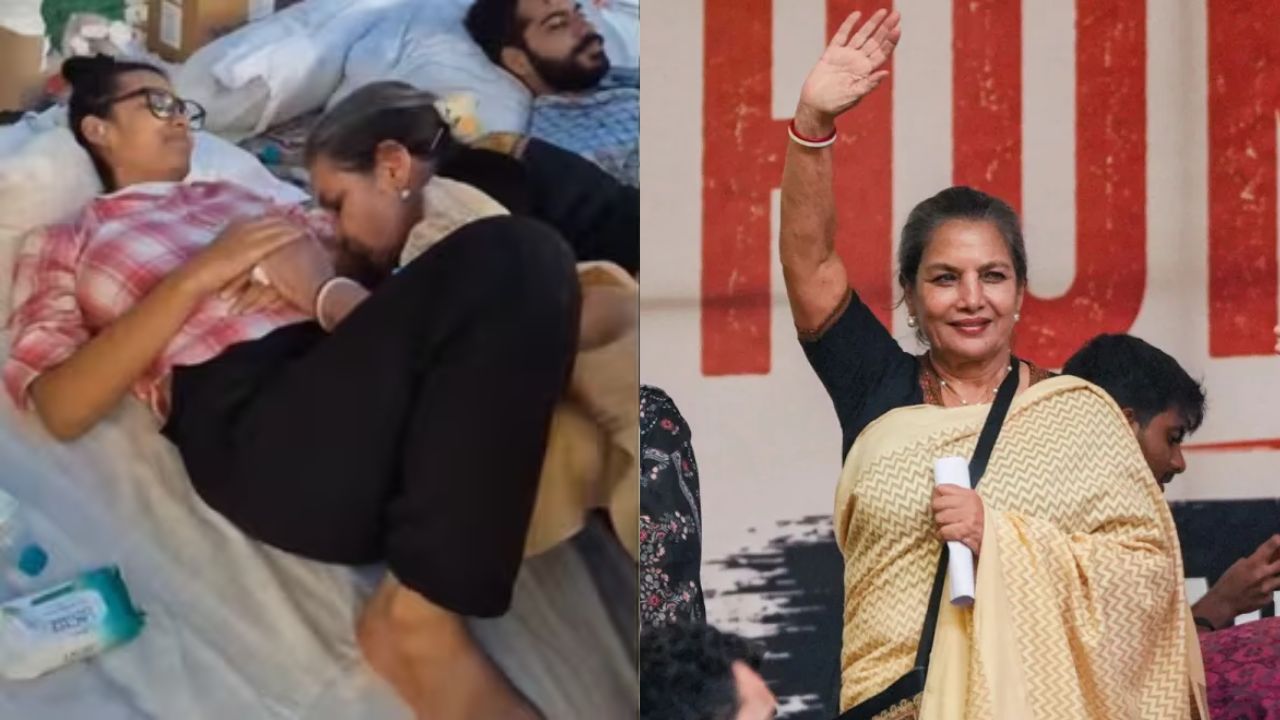
In the days following the court’s decision, Rana’s family spent time with him in an emotional farewell. Visuals that surfaced showed loved ones by his side during his final moments.
Members of the Brahma Kumaris, with whom the family had longstanding ties, were also present and had supported them through the legal process.
A Defining Moment in Medical Ethics
Rana’s case is expected to remain a key reference point in discussions around end-of-life care, patient dignity, and legal rights in India.
It highlights the evolving approach of courts and medical institutions towards complex ethical decisions involving life support and terminal conditions

 English