 English
 English

A 26-year-old Iranian, is set to be executed in public today
Tehran: A 26-year-old Iranian protester detained during anti-government demonstrations is scheduled to be executed today, in a case that has triggered international outrage and renewed fears of summary executions being used to crush dissent in Iran.
Erfan Soltani was arrested on January 8 near his home in the Fardis district of Karaj after joining protests against Supreme Leader Ayatollah Ali Khamenei. For days, his family had no information about his whereabouts. When authorities finally contacted them, it was not to announce charges or a trial date but to inform them that Soltani had already been sentenced to death.
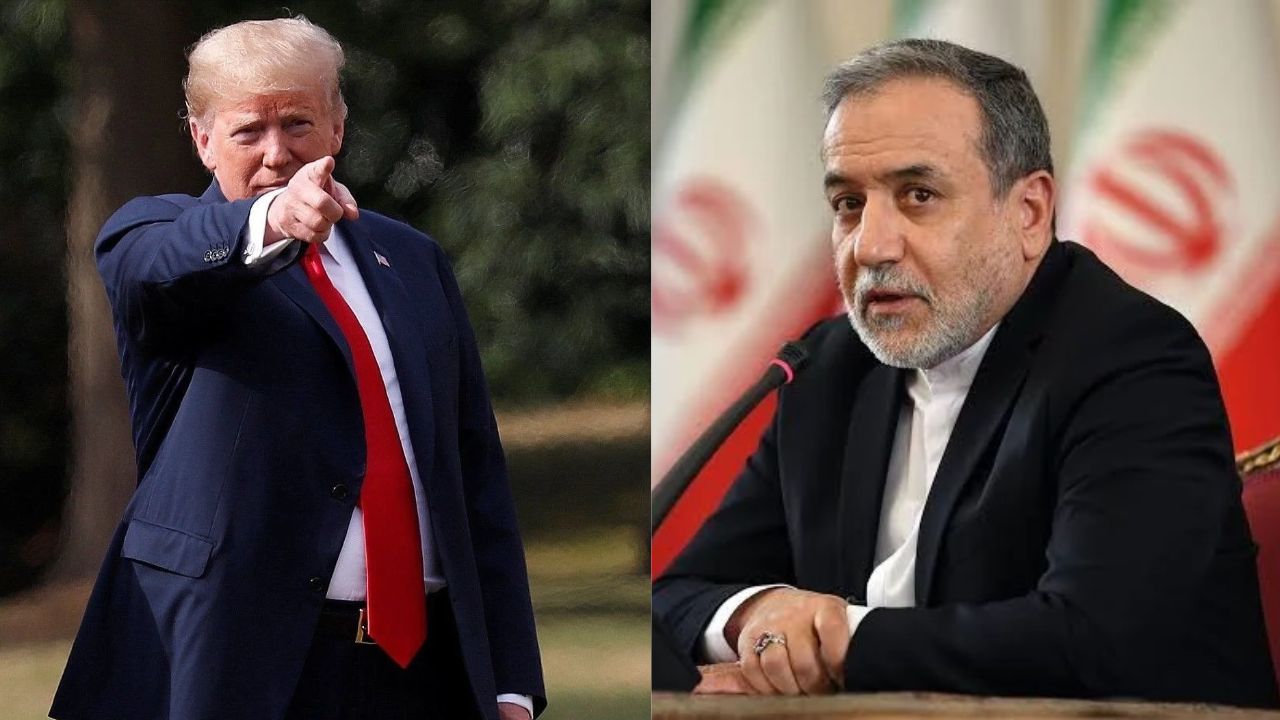
Trump warns Iran of severe consequences over possible execution of Erfan Soltani
Security officials told Soltani’s family they would be allowed a single visit, lasting just 10 minutes, described explicitly as a final farewell. They were also warned not to speak to the media, with threats that other family members would be arrested if they did.
According to reports, Soltani was denied access to a lawyer and never appeared before a public court. His execution, set to take place within a week of his arrest, has raised serious concerns among legal experts and human rights groups.
Who is Erfan Soltani? Anti-Khamenei Protester To Be Hanged Today#ErfanSoltani #iranunrest #iranprotest #viral pic.twitter.com/4pCqX9j944
— Dynamite News (@DynamiteNews_) January 14, 2026
Soltani has been convicted of Moharebeh, or “enmity against God,” one of Iran’s most severe charges, frequently used against protesters and political dissidents and punishable by death. Sources close to the family say authorities told them there was “no file to review” and no scope for appeal.
The family believes Soltani is being held by the Intelligence Organisation of the Islamic Revolutionary Guard Corps (IRGC), Iran’s most powerful security force.
Human rights lawyers say Soltani’s case violates even Iran’s own legal procedures. Legal expert Mohammad Oliaifard described it as “legally impossible” to arrest and execute someone within days, calling it a textbook example of a summary or “field execution.”
Iran security chief calls Trump ‘main killer’ as US President urges Iranians to ‘keep protesting’
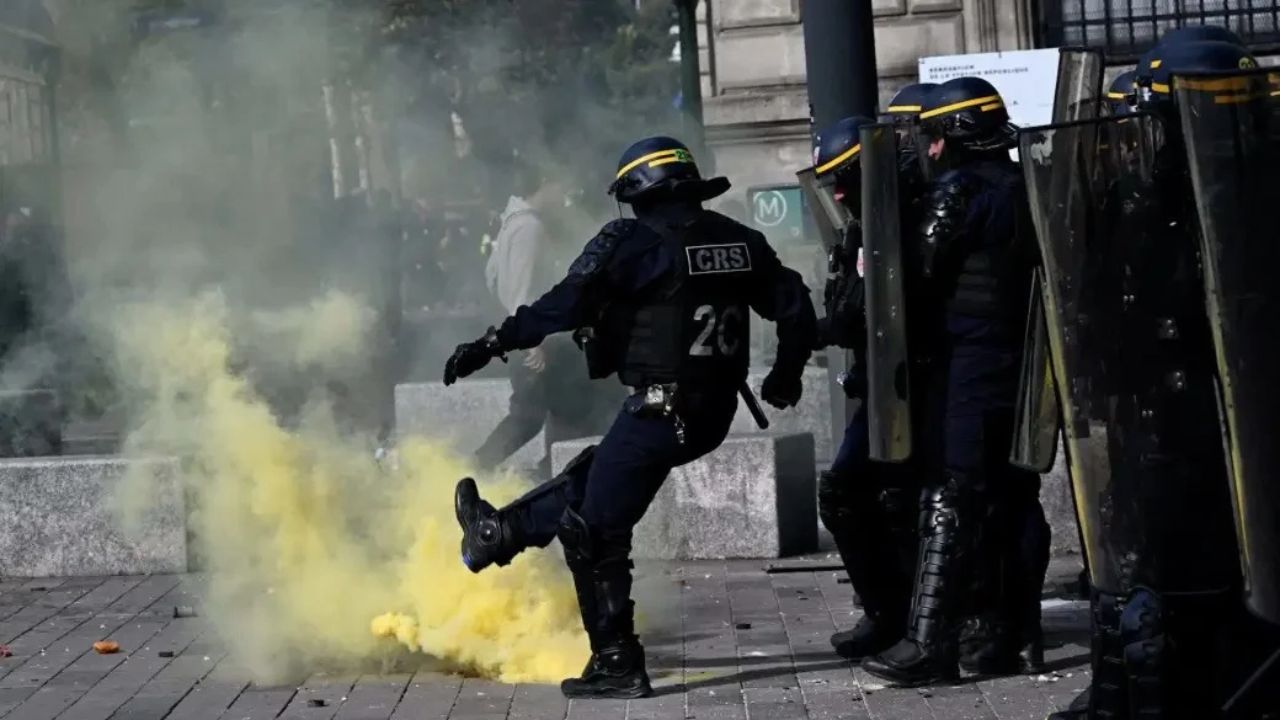
Amnesty International has warned that Iran may be resorting to swift trials and arbitrary executions to intimidate protesters as nationwide unrest enters its third week.
The protests, initially sparked by economic grievances, have spread to more than 280 locations. Activists estimate that over 2,000 people have been killed and around 20,000 arrested. Internet shutdowns and raids targeting satellite equipment have made independent reporting nearly impossible.
Human rights groups warn that Soltani’s case may be only one of many unfolding in silence, as executions become a tool of fear to suppress dissent.