 English
 English

Conflict entered a military phase on September 2, 2025.
Washington: The United States began 2025 by applying strong economic measures against Venezuela, signalling a return to hardline policies. On February 26, the US cancelled oil concessions previously granted to Caracas, aiming to cut off revenue streams for President Nicolás Maduro’s administration.
This was followed by additional economic pressure on March 24, when a 25 per cent tariff was imposed on countries continuing to purchase Venezuelan oil. The goal was to isolate the South American nation economically and restrict international trade with its government.
The situation escalated further in August, when the United States doubled the bounty on President Maduro to 50 million dollars and designated the Cartel de los Soles as a foreign terrorist organisation. This step tied Venezuela’s leadership to alleged drug trafficking and laid the groundwork for more aggressive actions.
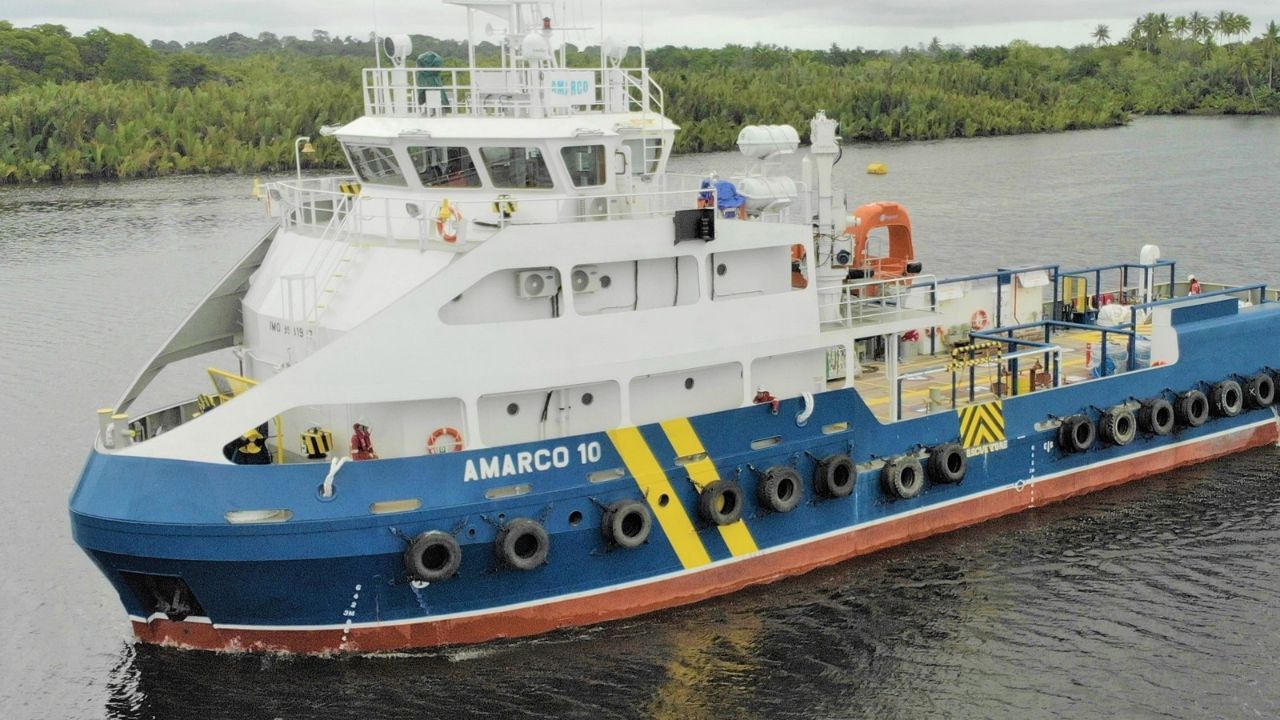
The first US military strike occurred on September 2, 2025, targeting a vessel described as a drug-smuggling boat in international waters. Between September and November, over thirty strikes were conducted on suspected drug vessels in the Caribbean and Pacific, with reported casualties ranging from 83 to more than 110 people. Officials stated the strikes aimed to disrupt drug trafficking routes connected to Venezuela.
New World Order: How China and Russia are challenging Western dominance? Full story here
In mid-October, covert CIA operations were authorised within Venezuela, further intensifying the conflict and raising concerns about direct US involvement on Venezuelan soil.
Venezuela responded with military exercises on November 12, coinciding with the launch of the US Southern Spear mission. Two days later, the USS Gerald Ford aircraft carrier group arrived near Venezuelan waters, demonstrating a heightened American military presence.
Throughout December, economic pressure continued alongside military operations. Sanctions were imposed on members of Maduro’s family and six oil ships on December 11, followed by a total blockade on sanctioned tankers five days later. A second tanker was seized on December 20.
Baloch leader writes open letter to Jaishankar; Seeks India’s support
Amid escalating tensions, the United States claimed a strike on a dock facility inside Venezuela used to load boats with drugs, marking the first reported attack within the country. President Maduro was accused of using oil revenues to fund drug-related crime and forcing inmates to migrate to the United States.
In response, Maduro expressed willingness to discuss drug trafficking and oil with the US but did not directly address the CIA operations or military strikes. Operations continue, with fleeing tankers being pursued and Congress reviewing the attacks. Venezuela has condemned the actions as piracy and increased missile deployments and military activity.
In a significant escalation, US officials claimed that Delta Force, the elite US special operations unit, captured Venezuelan President Nicolás Maduro. This development represents the culmination of a year-long series of economic, political, and military actions, reflecting the dramatic intensification of US-Venezuela tensions throughout 2025.