 English
 English

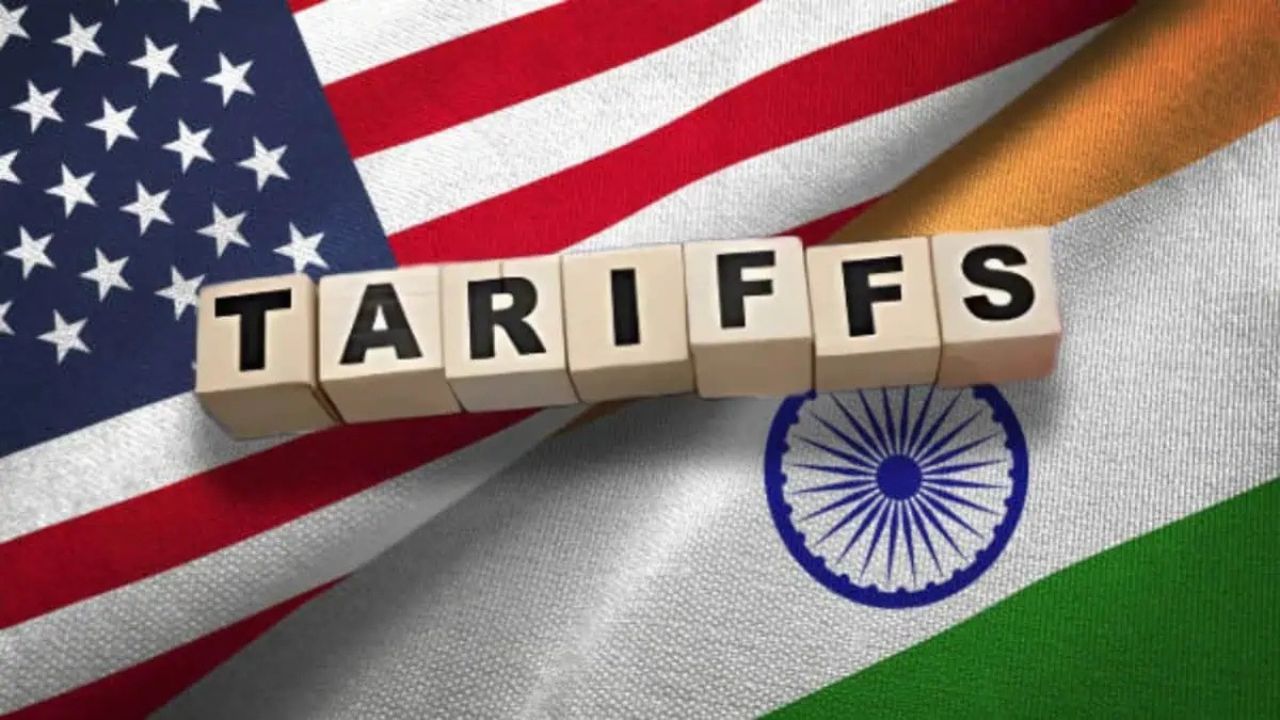
The agreement significantly reduces US tariffs on Indian goods from 50 per cent to 18 per cent
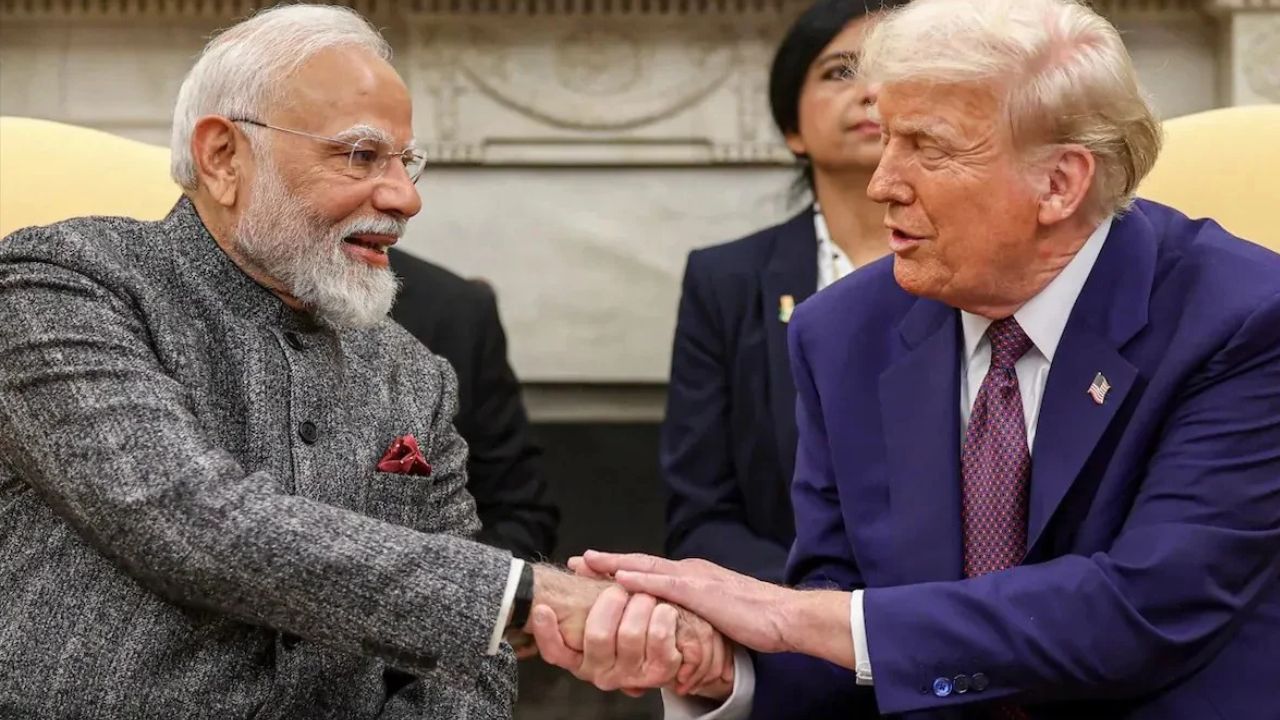
New Delhi: After nearly a year marked by strained negotiations, tariff escalations and sharp public exchanges, India and the United States have reached a long-awaited trade agreement, breaking a prolonged deadlock in bilateral economic ties. The breakthrough followed a phone conversation between Prime Minister Narendra Modi and US President Donald Trump, bringing relief after months of uncertainty.
As per the reports the agreement significantly reduces US tariffs on Indian goods from 50 per cent to 18 per cent, signalling a reset in trade relations that had remained tense through much of 2025.
US Cuts Tariffs on Indian Goods from 25% to 18% After Trump–Modi Talks
Trade talks had resumed on a positive note early last year during PM Modi’s visit to the United States, where both sides agreed to pursue an initial phase of a bilateral trade agreement. The intention was to conclude negotiations by the latter half of the year.
However, momentum soon faded as differences emerged over market access, tariff structures, digital trade regulations and energy sourcing. By spring, negotiations slowed and the tone hardened, with both sides trading cautious public remarks.
Tensions escalated sharply in April when Washington imposed reciprocal tariffs on Indian imports. While some duties were paused temporarily, baseline tariffs remained in place. The situation worsened mid-year when the US raised tariffs on Indian goods to 50 per cent, citing India’s continued purchase of Russian crude oil amid Western sanctions on Moscow.
New Delhi strongly objected, arguing that its energy decisions were driven by economic and security considerations. Energy trade soon became the central fault line in the broader dispute.
Despite the escalating tariffs, negotiations did not collapse. Multiple rounds of formal talks continued, alongside informal consultations. Senior US trade officials visited India toward the end of 2025, and leadership-level engagement remained active.
According to official accounts, PM Modi and President Trump spoke several times over the year as both sides attempted to revive stalled discussions.
In early January, remarks by a senior US official suggesting that a lack of direct outreach from India had derailed talks triggered political controversy. India rejected the claim, asserting that communication channels between the two leaders had remained open throughout the year.
India-EU FTA: Tariffs on European cars cut by nearly 100%; Luxury vehicles to become cheaper
Other diplomatic irritants including immigration rules, defence ties with Russia and conflicting claims over regional security further complicated relations.
The stalemate finally ended following Monday’s phone call between Modi and Trump. The US announced an immediate tariff reduction, while India welcomed the agreement as a positive step toward strengthening economic cooperation.
While Washington outlined broader commitments on trade and energy, India confirmed the tariff relief and described the pact as a constructive outcome, underscoring renewed momentum in the strategic partnership. The deal marks a turning point after a year of economic friction, restoring optimism to one of the world’s most significant bilateral relationships.