 English
 English

Another threat emerges as Nepal battles devastating floods and a fresh Tibetan lake breach warning
Kathmandu: A fresh flood threat gripped Nepal on Friday after reports of a Tibetan barrier lake breach triggered a high alert, forcing authorities to move rescue teams and security personnel to safer locations. The warning comes as the death toll from the August 26 flash floods rises to 475, with more than 900 people still reported missing, making it one of the deadliest flood disasters to hit the Himalayan nation in recent years.
People living near river channels, vulnerable settlements and flood-affected zones were advised to remain alert as emergency agencies monitor the situation closely.
The latest warning was issued after information emerged about a barrier lake on the Tibetan side of the Himalayan region breaching its banks. Officials fear that additional water flow could travel downstream through river systems connected to Nepal, creating another flood risk for already affected areas.
The situation has raised serious concerns among disaster management teams because rescue operations are already facing major challenges due to damaged roads, destroyed bridges, landslides and difficult mountainous terrain.
The Nepal Army has deployed teams near the Bhotekoshi River to assess the situation and monitor possible changes in water levels. Security agencies are coordinating with local authorities to ensure immediate evacuation if conditions worsen.
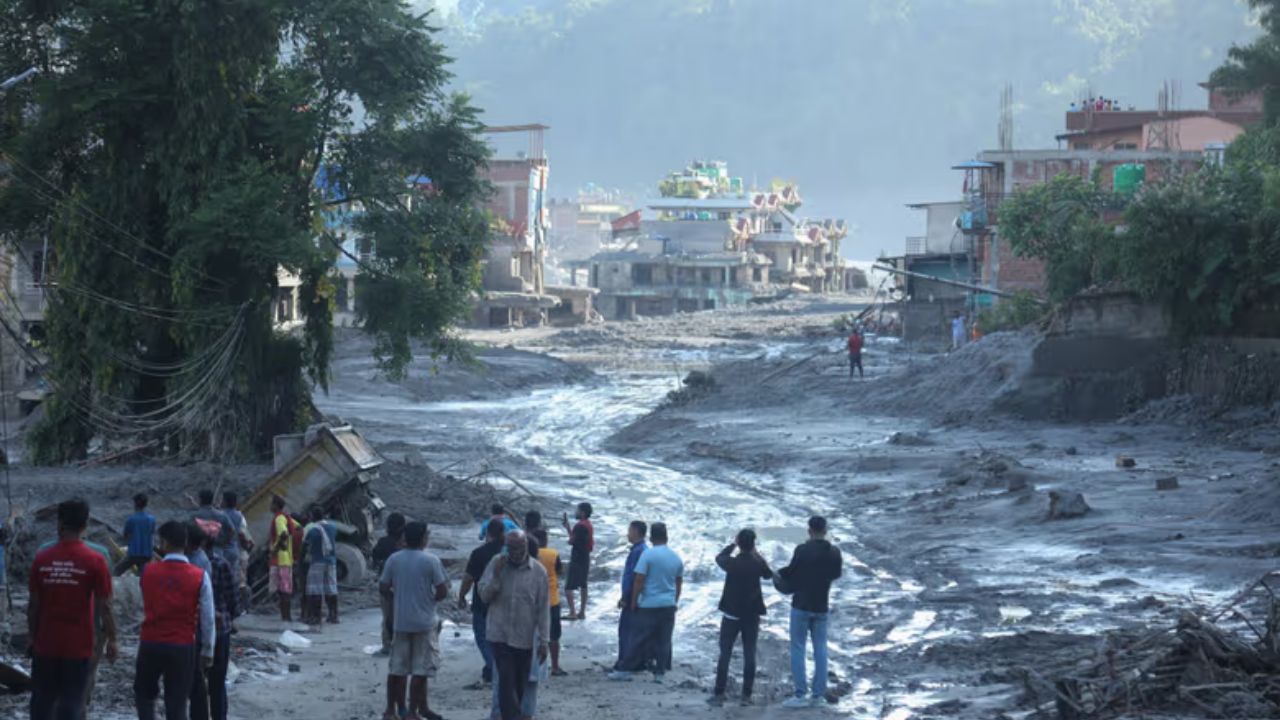
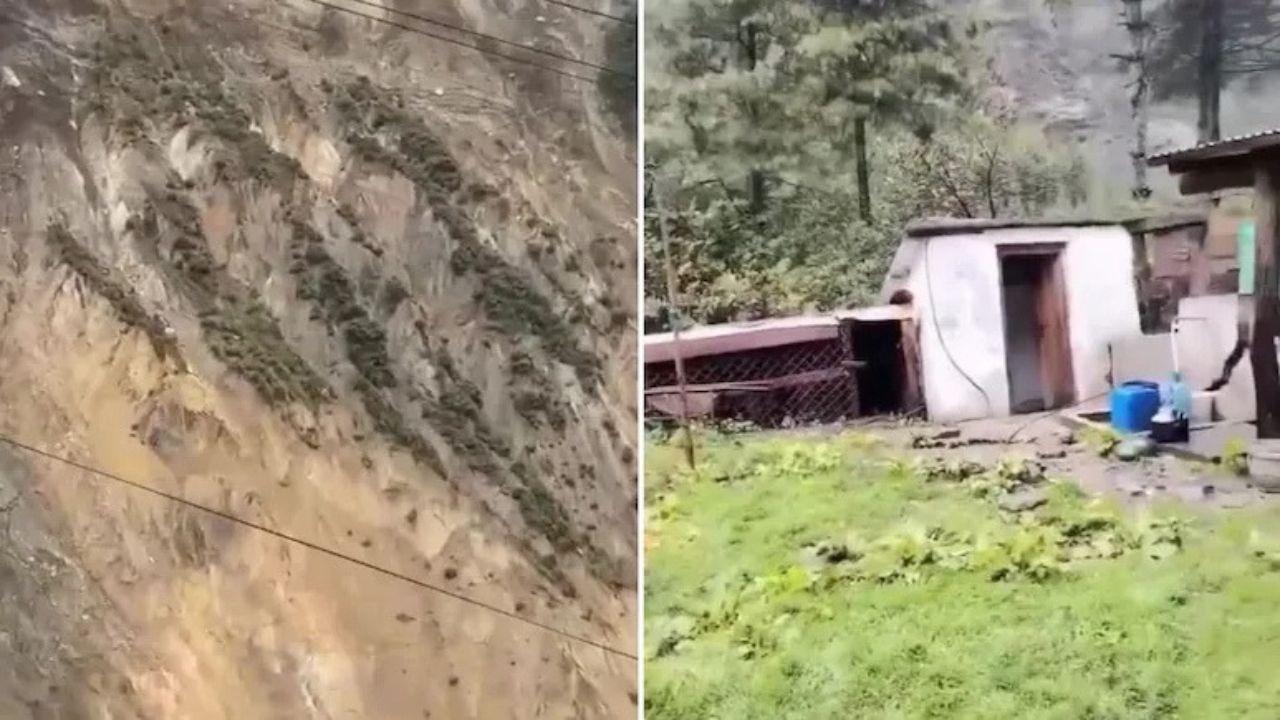
The fresh alert comes days after a devastating flash flood swept through parts of Nepal near the China border. The powerful surge of water, mud, rocks and debris caused widespread destruction in Rasuwa district and nearby areas.
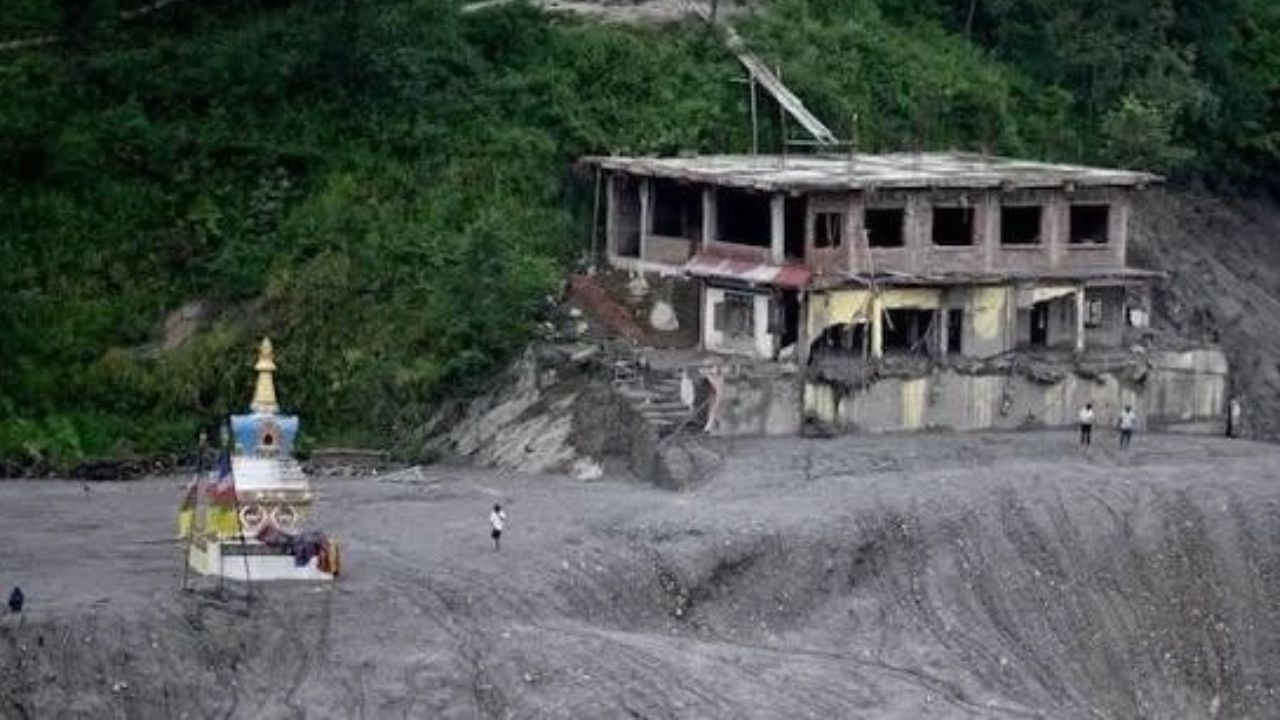
Several villages were severely affected as floodwaters damaged homes, roads, bridges, vehicles and other critical infrastructure. Large sections of the region were buried under thick layers of mud, making rescue operations extremely difficult.
The disaster left hundreds dead and more than 1,500 people missing across Nepal and Tibet, according to authorities and emergency response agencies.
Families across affected communities are still waiting for updates about missing loved ones, while rescue teams continue searching through debris-covered areas.
Emergency teams are now dealing with a dangerous combination of ongoing rescue work and the possibility of another flood event. The latest warning has forced authorities to prioritise the safety of rescue personnel working in vulnerable areas.
Helicopter evacuations and ground rescue operations have been affected in some locations due to changing weather conditions and rising safety concerns. The Nepal Army, police personnel, disaster response teams and local officials are working together to locate survivors, provide medical assistance and deliver essential supplies to stranded communities.
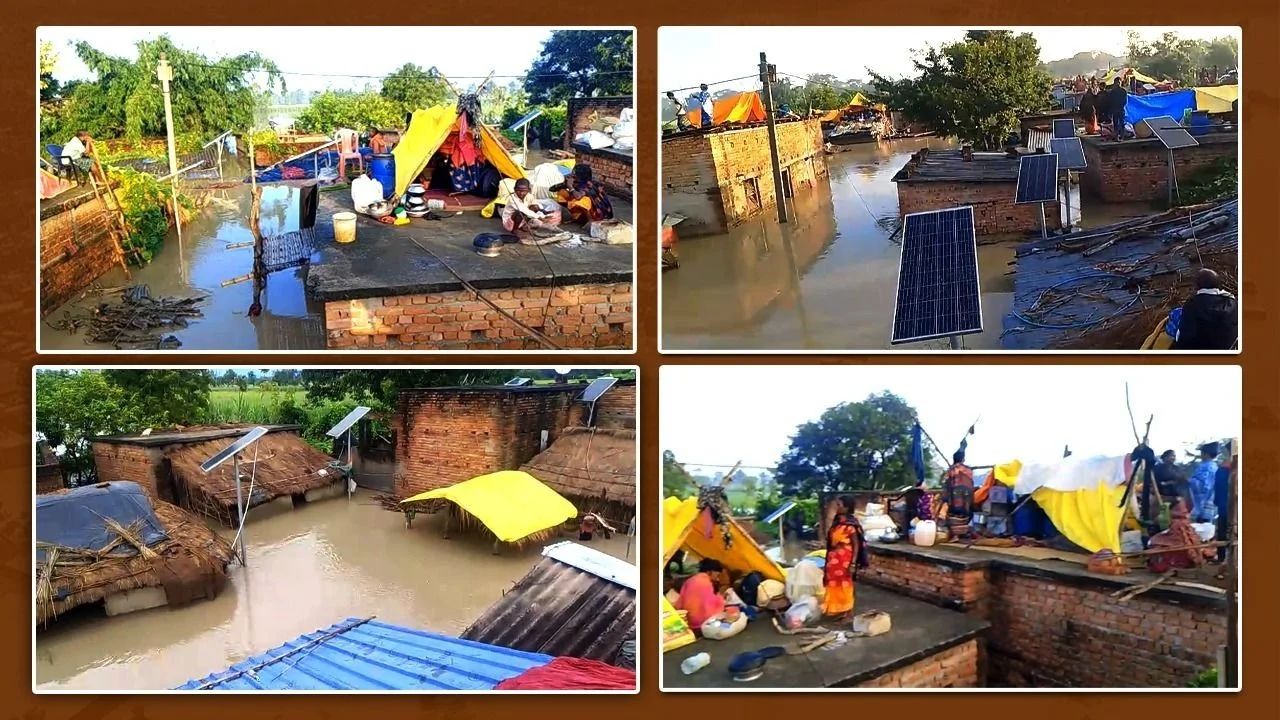
Thousands of affected residents have already been evacuated from dangerous locations, while relief camps are being managed to provide food, shelter and emergency support.
The latest developments have renewed concerns over increasing climate-related risks in Himalayan regions. Experts have highlighted the vulnerability of mountain ecosystems to sudden floods, landslides and overflowing glacial lakes.
Rapid changes in weather patterns, rising temperatures and unstable mountain terrain have increased the possibility of extreme natural events in high-altitude areas. The Nepal flood disaster has once again highlighted the importance of early warning systems, disaster preparedness and cross-border coordination between Himalayan nations.
Authorities are continuing to monitor the Tibetan lake situation while keeping rescue operations active across flood-hit Nepal. Emergency agencies are preparing for possible evacuation measures if water levels rise further, while search operations for missing people continue. For Nepal, the coming hours remain critical as rescue teams race against time to save survivors and prevent further loss of life.