English
 English

US to screen H-1B and H-4 visa applicants’ social media profiles from today.
New York: The United States will begin enhanced screening of H-1B visa applicants and their H-4 dependents from Monday, requiring a review of their social media activity. The directive expands existing checks previously applied to students and exchange visitors, ensuring that online presence is considered during visa adjudication. Applicants are advised to make their social media profiles public for the review.
The State Department has instructed all H-1B and H-4 visa applicants, along with F, M, and J nonimmigrant visa holders, to adjust privacy settings on social media accounts to public visibility. This is aimed at facilitating a comprehensive vetting process, which evaluates whether applicants meet eligibility criteria and do not pose threats to US national security or public safety.
Several H-1B visa applicants in India have already had their interviews rescheduled in line with the new social media screening guidelines. The State Department reiterated that US visas are a privilege, not a right, and that all available information, including online activity, is used to determine admissibility. This step underscores the administration’s focus on national security during the visa issuance process.
US Warns Tourists: No visa if purpose is childbirth for citizenship; Details inside
Previously, F, M, and J visa holders—covering students and exchange visitors—were subject to online presence reviews. The recent order extends this scrutiny to H-1B visa holders and their H-4 dependents, integrating social media evaluation as a standard component of the screening process for temporary work and dependent visas.
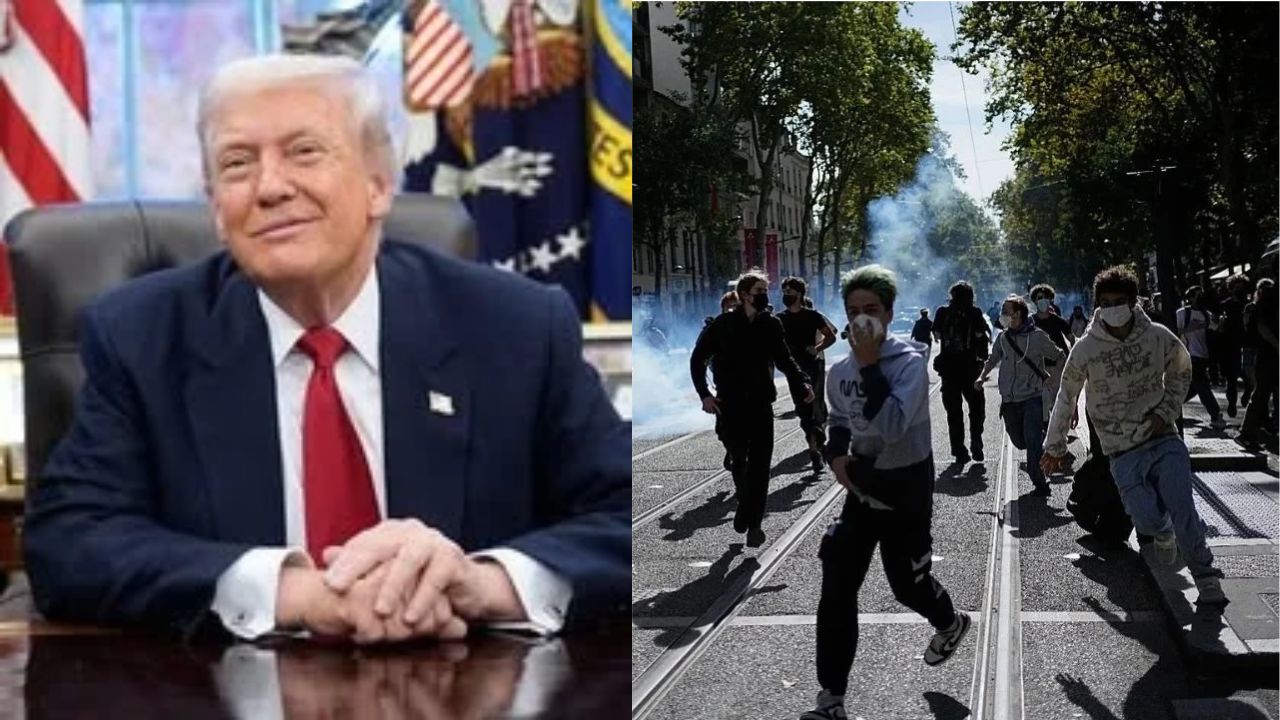
The move is part of a broader immigration policy overhaul under the Trump administration, which has been tightening regulations on the H-1B visa program. Earlier measures included a proclamation restricting entry of certain nonimmigrant workers and a one-time USD 100,000 fee on new H-1B visas, targeting misuse in the technology sector and ensuring temporary visa holders meet program criteria.
Trump launches ‘Gold Card’ visa programme; All you need to know
Indian professionals, including IT workers and physicians, constitute a significant portion of H-1B visa holders. The new social media screening directive, combined with earlier policies on fees and restrictions, could affect visa processing timelines and employment plans for applicants seeking temporary work in the United States.
The US government has also paused green card, citizenship, and immigration applications from 19 countries deemed as security concerns. A recent policy memorandum directed USCIS to place asylum applications on hold pending review. These measures follow earlier travel bans and reflect the administration’s broader immigration security strategy.
The State Department emphasized that visa adjudications are national security decisions. Every applicant is evaluated to ensure they intend to engage in lawful activities consistent with visa terms and do not pose threats to Americans or US interests. The inclusion of social media reviews is aimed at strengthening this vetting process.