English
 English

An organised nursery with essential baby supplies and a safe sleeping space helps parents prepare for their newborn’s arrival (Img: Pinterest)
New Delhi: Preparing for a newborn involves more than buying baby clothes, arranging a nursery and stocking up on essentials. Parents also need to ensure that their home is clean, safe and organised to meet an infant’s needs during the first few months of life.
From creating a safe sleeping space to improving household hygiene and arranging feeding supplies, a few practical preparations can help families manage the transition with greater confidence. Planning ahead can also reduce last-minute stress, allowing parents to focus on recovery, bonding and newborn care.

Setting up a safe sleeping area is among the most important steps in preparing for a baby's arrival. Parents should choose a safety-compliant crib or bassinet with a firm, flat mattress and a tightly fitted sheet.
Babies should be placed on their backs for every sleep, including naps. Pillows, loose blankets, soft toys, cot bumpers and other soft objects should be kept out of the sleeping space because they can increase the risk of suffocation.
Keeping the baby's crib or bassinet in the parents' room, but on a separate sleep surface, is also recommended, ideally for at least the first six months. Parents should avoid allowing infants to sleep on sofas, adult beds or inclined surfaces.
These measures are consistent with safe-sleep guidance from the US Centers for Disease Control and Prevention (CDC)
Newborns require careful handling, making everyday hygiene an important part of household preparation. Parents can begin by cleaning frequently touched surfaces, washing baby clothes and bedding with a suitable detergent, and ensuring that feeding equipment is cleaned according to the manufacturer's instructions.
Handwashing should become a routine for parents, family members and visitors before they handle the baby, particularly before feeding or after using the bathroom, changing nappies or returning home from outside.
Families should also avoid exposing infants to cigarette smoke, strong chemical fumes and unnecessary fragrances. Cleaning products and disinfectants must be stored securely, away from children's reach.
Rather than attempting to make the home completely sterile, the priority should be maintaining reasonable cleanliness and following safe hygiene practices.
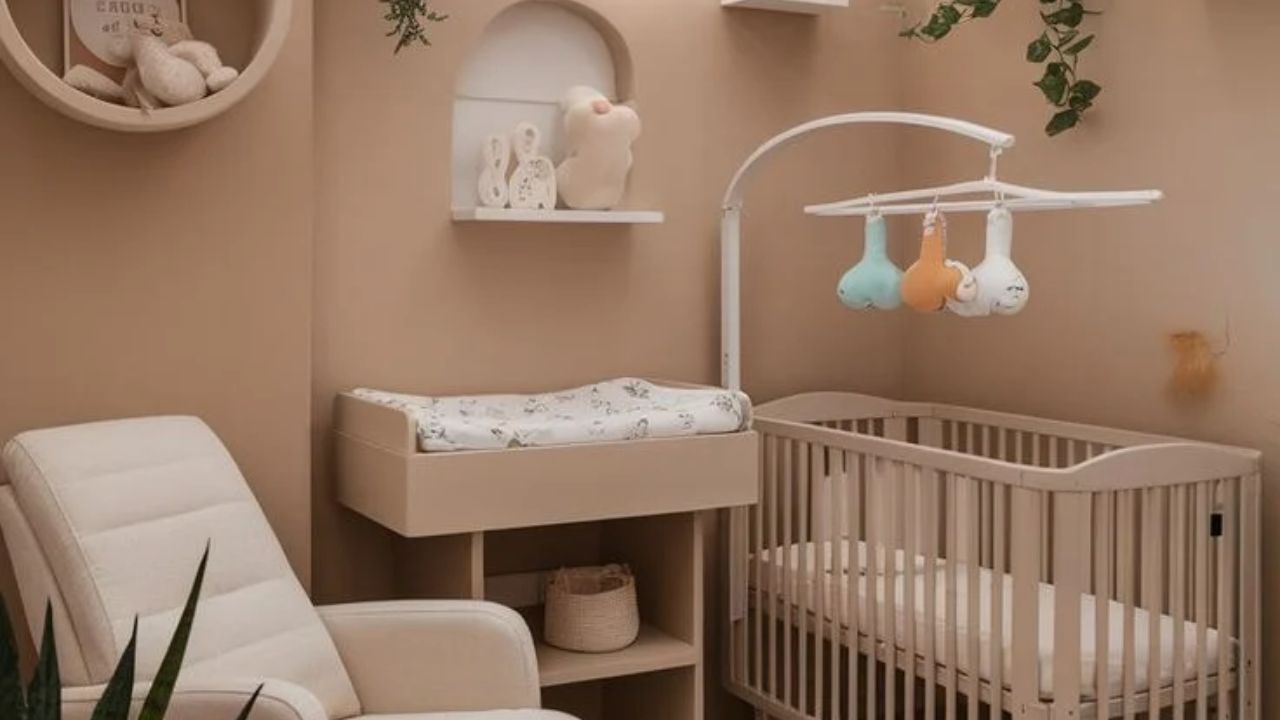
Although newborns have limited mobility, preparing the home for future developmental milestones can prevent the need for rushed changes later.
Parents should check for unstable furniture, dangling electrical cords, exposed sockets, sharp edges and small objects that could become choking hazards as the baby begins to move and explore.
Medicines, cleaning chemicals, sharp utensils and other potentially dangerous household items should be stored securely. Stairways, balconies, windows and areas near hot appliances also require attention as the child becomes more mobile.
Baby-proofing is an ongoing process. Parents should reassess the home as their child develops rather than assuming that one safety check will be sufficient.
A comfortable indoor environment can make newborn care easier. Families should keep the baby's room at a comfortable temperature, ensure adequate ventilation and avoid excessive layering of clothes or bedding.
Babies should not be overdressed or have their heads covered during sleep. Sweating or a chest that feels unusually hot may indicate overheating. Parents should adjust clothing according to the surroundings and seek medical advice if they are concerned about the baby's temperature.
Households should also minimise exposure to smoke and fumes. Where possible, avoid using strong sprays or air fresheners around the infant, and follow the safety instructions on any cleaning or household products.
Setting up convenient feeding and changing areas can help parents manage repeated daily tasks without unnecessary movement around the home.
For breastfeeding families, a comfortable chair, drinking water, burp cloths and easy access to essential supplies can be useful. Families using infant formula should follow product preparation and storage instructions carefully, including guidance on safe water, cleaning equipment and appropriate handling.
A changing station should contain nappies, wipes, clean clothing and a safe disposal arrangement. Parents should always keep one hand on the baby when using an elevated changing surface and never leave an infant unattended.
The aim is to make essential care accessible while maintaining safe handling and hygiene practices.
A newborn-ready home should include a plan for responding to common health concerns and emergencies. Parents can keep essential healthcare contacts accessible, identify the nearest appropriate medical facility and discuss newborn warning signs with their paediatrician before delivery.
A digital or traditional thermometer, along with other supplies recommended by a healthcare professional, may be useful. However, parents should not give medicines or home remedies to a newborn without appropriate medical guidance.
Families should know how to seek urgent care if a baby develops breathing difficulties, turns blue or unusually pale, becomes difficult to wake, has a seizure or shows other serious warning signs. A temperature of 38°C (100.4°F) or higher in a baby under three months requires prompt medical assessment.
A well-prepared household also ensures that caregivers know whom to contact and how to reach medical help quickly.
Family members and friends often want to meet a newborn soon after birth. However, setting a few simple visitor guidelines can help parents manage their baby's exposure to infections and protect their own recovery time.
Visitors should wash their hands before holding the baby and avoid close contact when they have symptoms such as fever, cough, sore throat or a runny nose. Families may also ask visitors to avoid kissing the baby's face and hands.
Parents can keep visits short when they need rest and should feel comfortable limiting visitors during the early weeks. Anyone caring for the baby should understand the household's hygiene and safe-sleep rules.
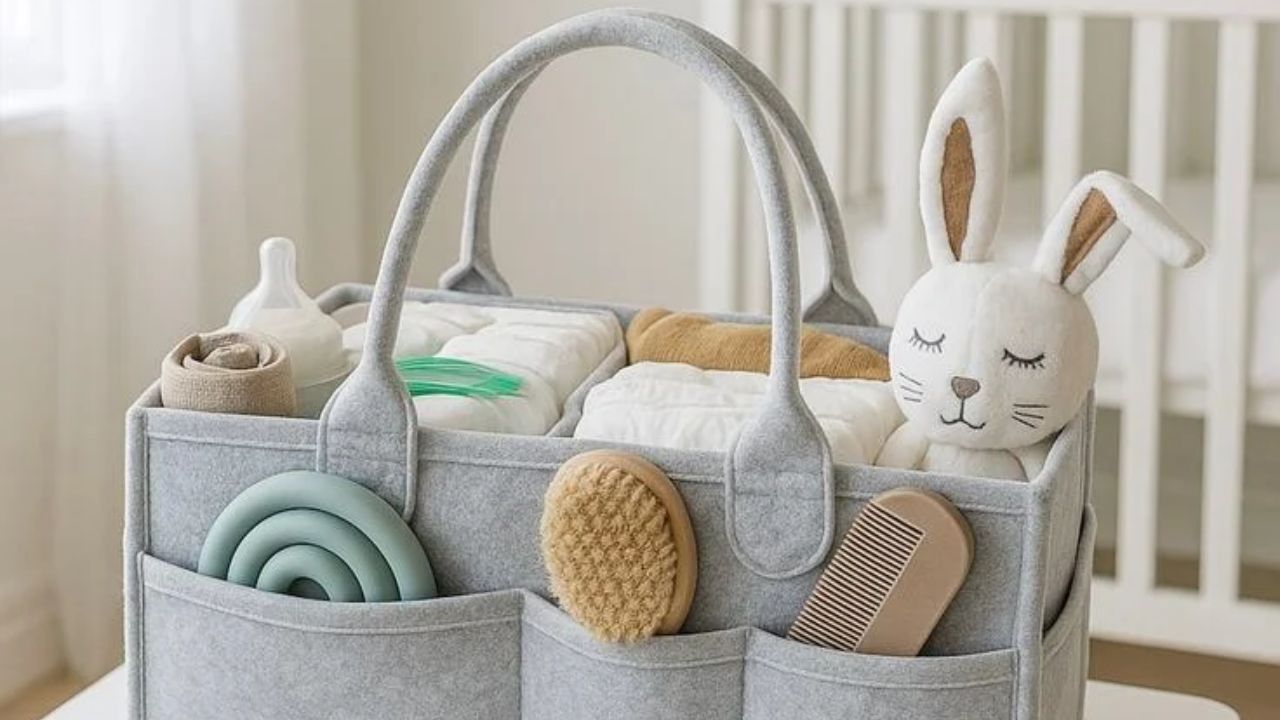
Preparing a nursery does not require a large space or expensive furniture. Parents can create a comfortable, organised area by keeping newborn clothes, nappies, wipes, towels, feeding supplies and other daily essentials within easy reach. A clean, well-ventilated room with a safe sleeping space and practical storage can simplify everyday baby care. Parents should also ensure that changing supplies are accessible without leaving the baby unattended on an elevated surface.