 English
 English

Athawale backs electoral roll revision but acknowledges that mistakes in deleting voters’ names can happen. (Img: X)
Srinagar: The political confrontation over India’s voter lists has intensified, with Union Minister of State for Social Justice Ramdas Athawale firmly backing Chief Election Commissioner Gyanesh Kumar and rejecting opposition demands for his resignation.
Speaking to reporters in Srinagar on Sunday, Athawale asserted that protests would not force Kumar to step down. His remarks came amid demonstrations over alleged irregularities in the Election Commission’s Special Intensive Revision of electoral rolls.
“No matter how much you protest, Gyanesh Kumar will not resign. He will not give up,” Athawale said.
The controversy has placed the electoral roll revision process at the centre of a wider political debate over election transparency, institutional accountability and the protection of voting rights. While supporters of the exercise argue that accurate voter lists are essential to credible elections, critics have raised concerns about eligible citizens potentially losing their place on the rolls.
The Special Intensive Revision, or SIR, is intended to review electoral rolls and improve their accuracy. The rationale cited by Athawale includes removing duplicate entries, names of deceased voters and entries belonging to people who have moved away from their registered addresses.
Defending the exercise, the minister claimed that approximately 13 crore names had been deleted from voter lists nationwide for reasons including migration and duplication. This figure was cited by Athawale and should not be treated as independently verified in the absence of supporting official data in the material provided.
The central dispute is not simply whether electoral rolls should be updated. It is whether the process can identify ineligible entries without inadvertently excluding genuine voters.
An inaccurate voter list can undermine confidence in elections in two ways: retaining invalid entries can raise questions about the quality of the rolls, while wrongly deleting eligible citizens can threaten their ability to exercise their democratic rights. That tension has made transparency, accessible correction procedures and clear communication essential to public confidence in the revision.
Athawale criticised Congress leader Rahul Gandhi and other opposition leaders, accusing them of targeting the Election Commission and politicising the revision exercise. He also argued that the presence of candidates’ agents at polling stations and during counting provides safeguards against electoral malpractice.
However, the presence of polling and counting agents does not, by itself, resolve concerns about whether an eligible voter’s name has been correctly retained on the electoral roll. The accuracy of the voter list and the integrity of polling-day procedures are related but distinct issues.
Athawale maintained that the Election Commission has the democratic authority to take necessary steps to update electoral records. At the same time, he acknowledged that errors could occur during the deletion process.
His remarks therefore combined a strong defence of the revision with an acknowledgment that safeguards are needed for voters whose names may have been removed incorrectly.
In a significant qualification to his defence of the SIR exercise, Athawale conceded that mistakes could occur while names were being removed from electoral rolls. He said the Election Commission should communicate clearly that genuine voters’ rights would be protected and explain how people whose names were deleted by mistake could seek their restoration.
This acknowledgment addresses one of the central concerns raised by critics: even if the objective is to eliminate duplicate or outdated entries, the process must provide an effective remedy for eligible voters affected by errors.
For ordinary citizens, the consequences can be immediate and deeply personal. A name missing from the electoral roll can prevent someone from voting unless the issue is resolved through the prescribed process in time.
Clear public information, accessible verification facilities and timely correction mechanisms are therefore crucial to ensuring that electoral roll revision does not unintentionally disenfranchise eligible voters.
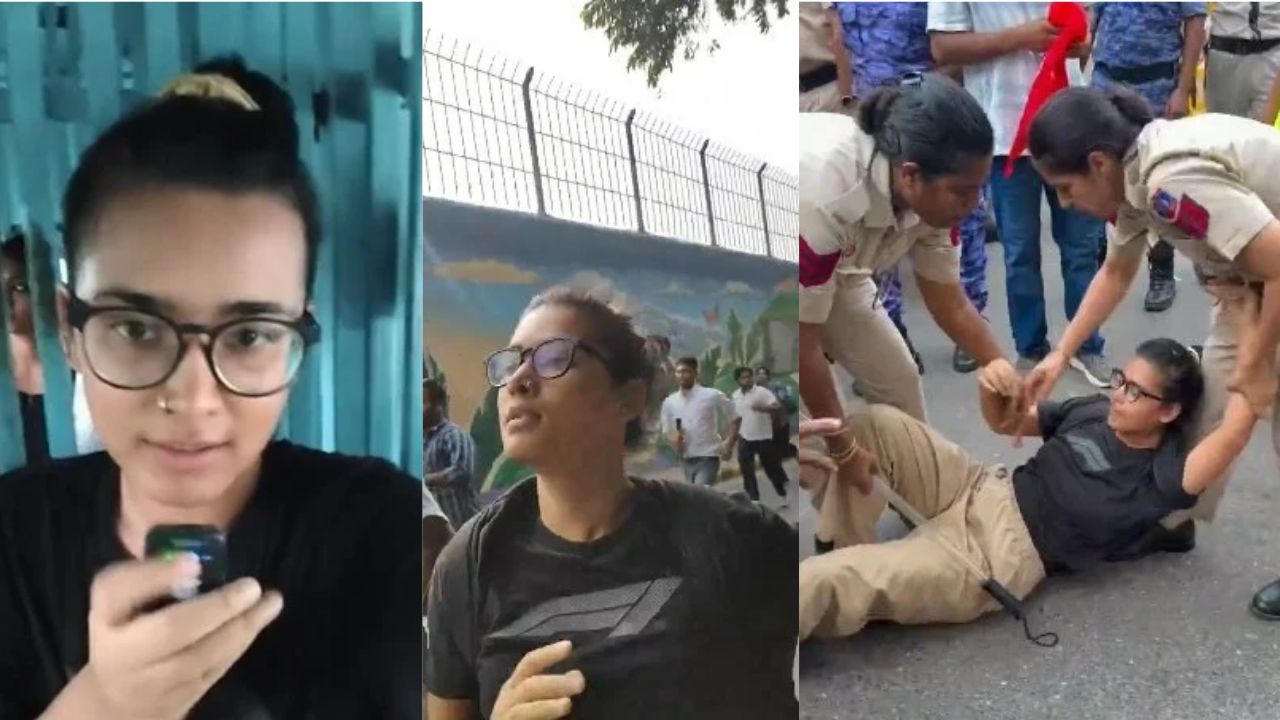
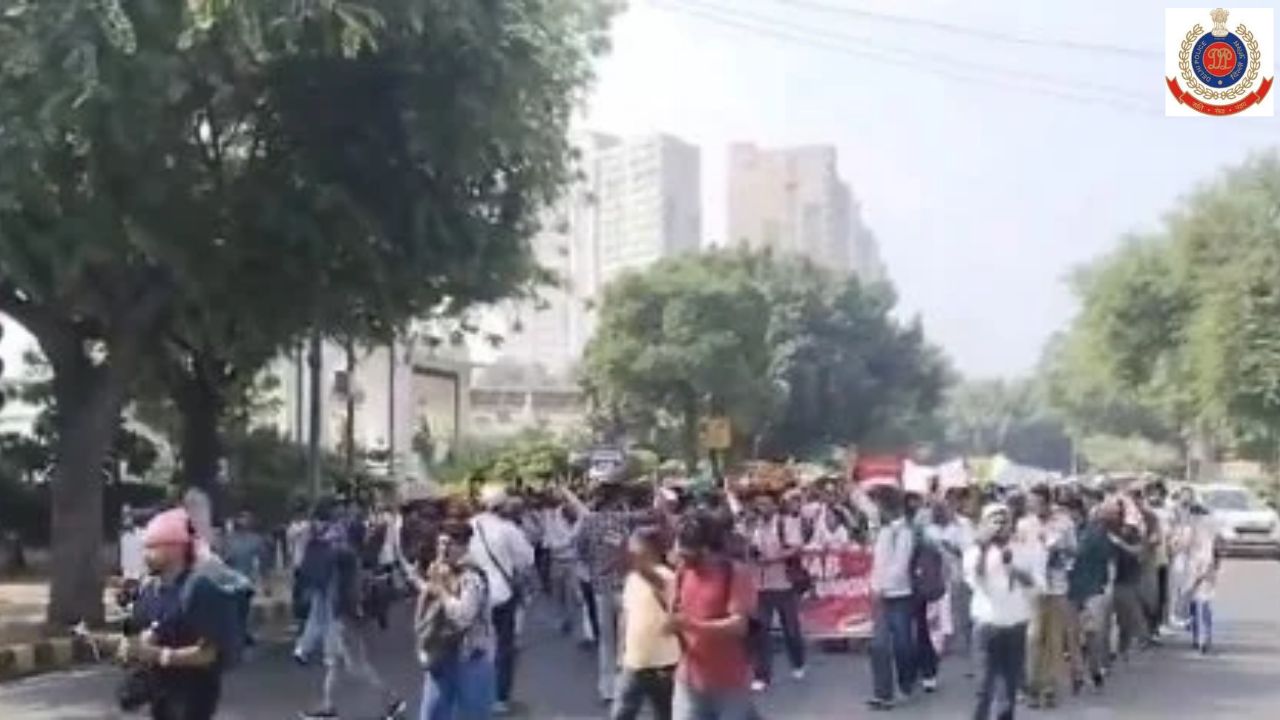
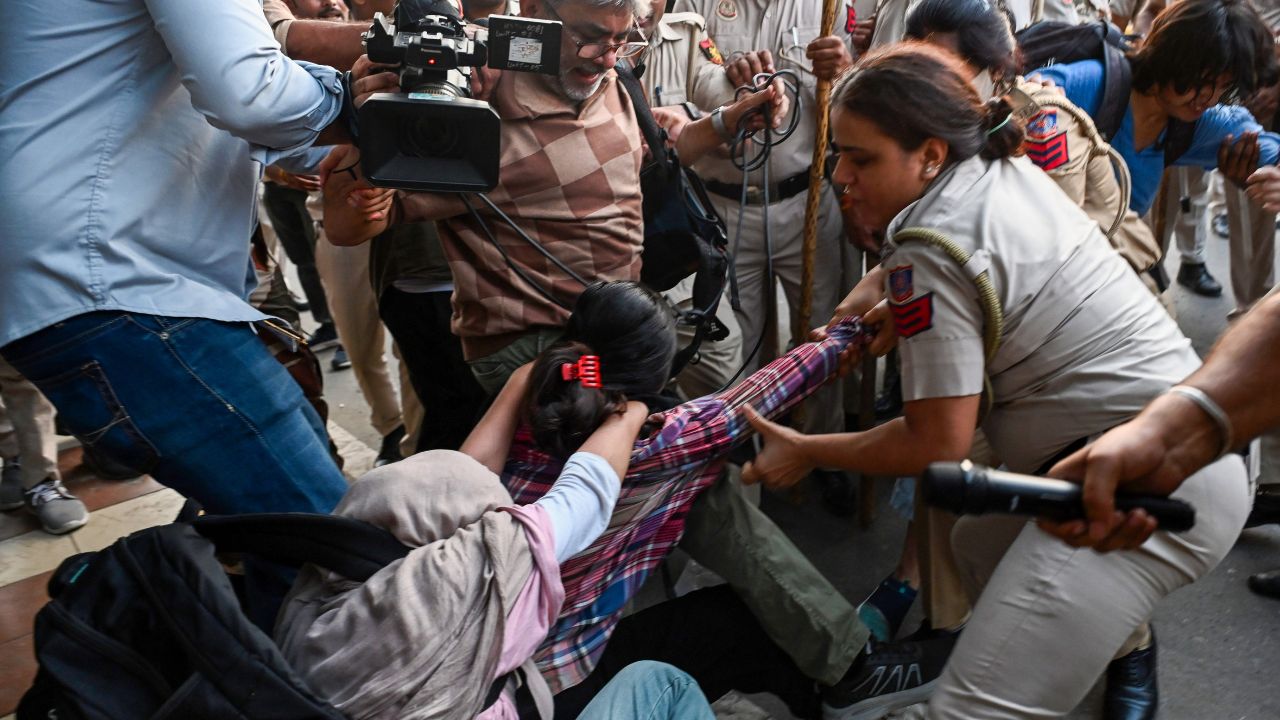
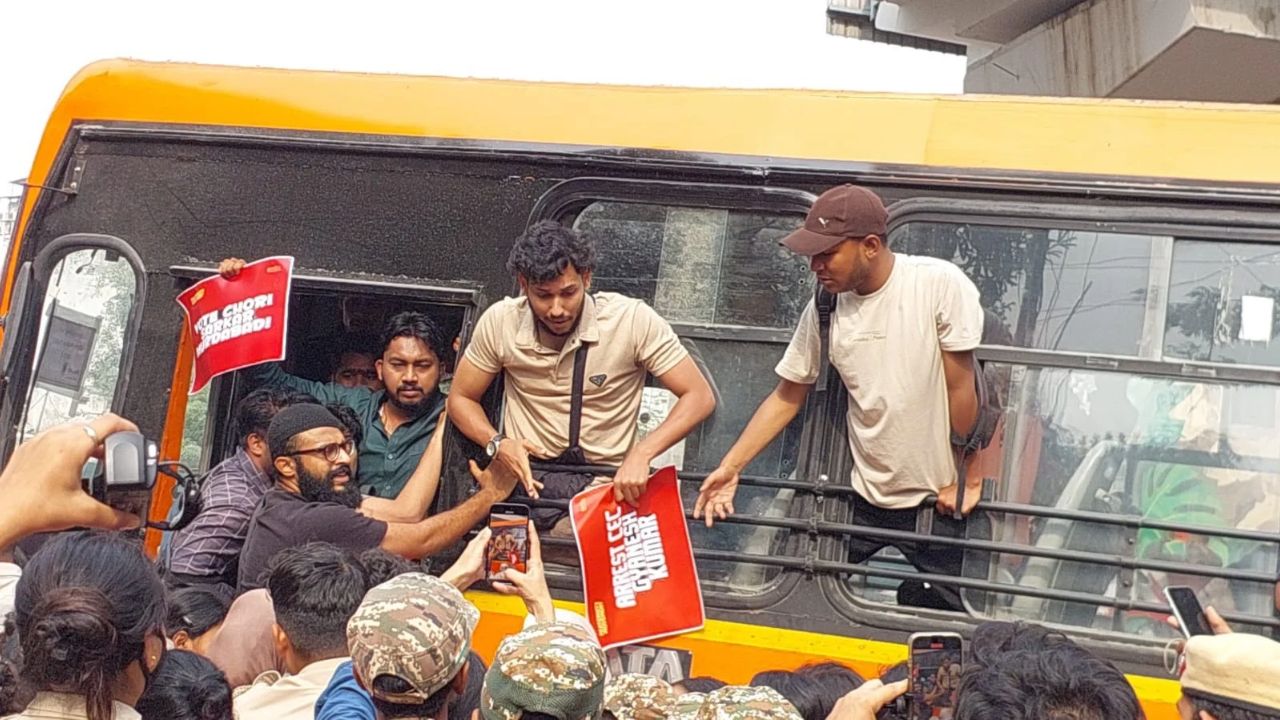
Athawale also commented on demonstrations at Jantar Mantar in New Delhi, warning protesters against crossing barricades or violating police orders. He cautioned that demonstrators could face arrest if they defied lawful restrictions. The minister criticised protesters who crossed barricades and confronted police, arguing that demonstrations should not obstruct people exercising their democratic rights.
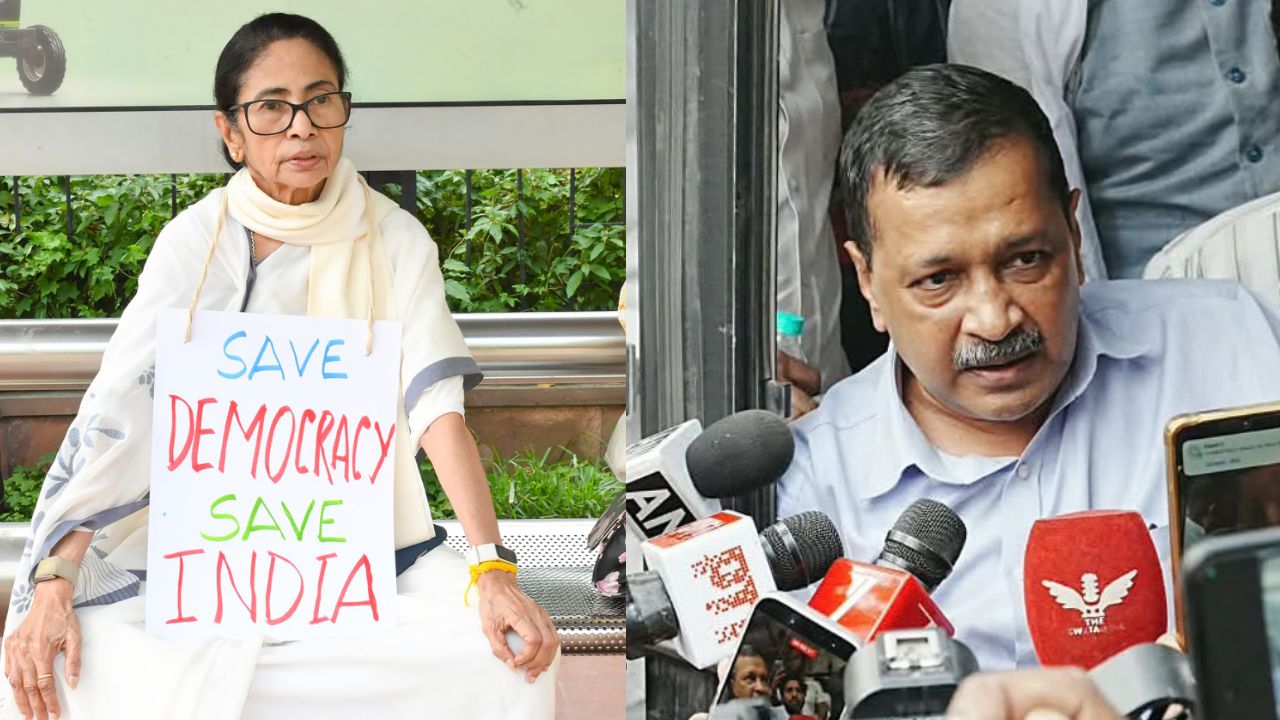
The confrontation reflects a broader political struggle over how opposition parties, civil society groups and the Election Commission respond to questions about electoral roll changes. For protesters, the central demand is greater clarity over alleged deletions and protection for eligible voters.
Athawale, meanwhile, has urged political opponents not to turn the revision into a campaign against the poll body. The competing positions have intensified the debate over the balance between legitimate political protest, public order and accountability in the electoral process.