English
 English

Supreme Court rejects a fresh plea challenging its earlier decision to quash FIRs linked to the CJP student protest. (Img: X)
New Delhi: The Supreme Court on Friday refused to reopen the cases registered against student protesters following the July 20 demonstration organised by the Cockroach Janta Party (CJP) in Delhi. The court dismissed a fresh plea seeking an investigation into the FIRs, explaining that its earlier decision had considered the students’ future, family concerns and the burden of lengthy criminal proceedings.
A three-judge bench comprising Chief Justice of India Surya Kant and Justices Joymalya Bagchi and V Mohana rejected the petition filed by L Ramanathan. The plea challenged the Supreme Court’s September 1 order quashing the FIRs registered in connection with the protests between July 20 and July 25, subject to the exception for individuals with criminal antecedents.
During the hearing, the Chief Justice explained that the court had invoked Article 142 of the Constitution to ensure complete justice. The provision gives the Supreme Court extraordinary powers to pass orders necessary to deliver justice in cases before it.
The bench stressed that the consequences of criminal proceedings must be considered, particularly when young students are involved. Repeated court appearances and prolonged litigation can affect education, career prospects and family life. The court said it did not want young protesters to remain caught up in legal proceedings unnecessarily.
The judges also observed that the petition effectively sought a review of the court’s earlier decision. The bench declined to reconsider its order and dismissed the plea.
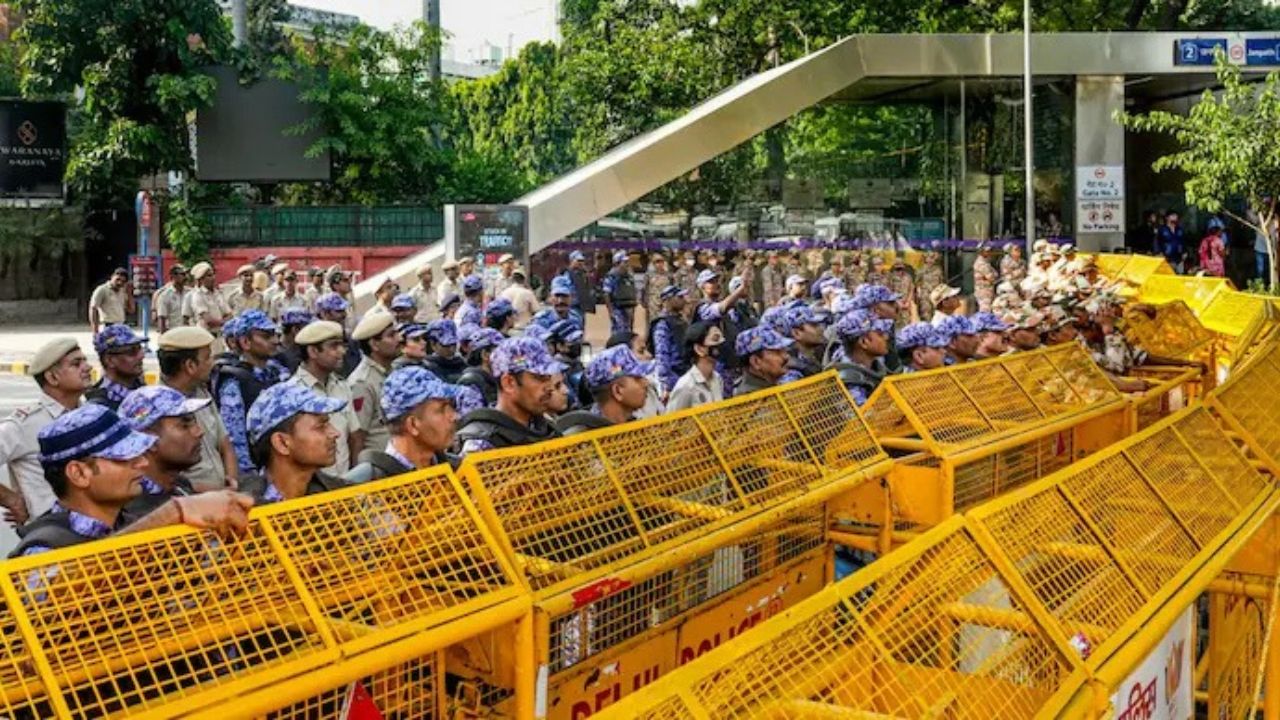
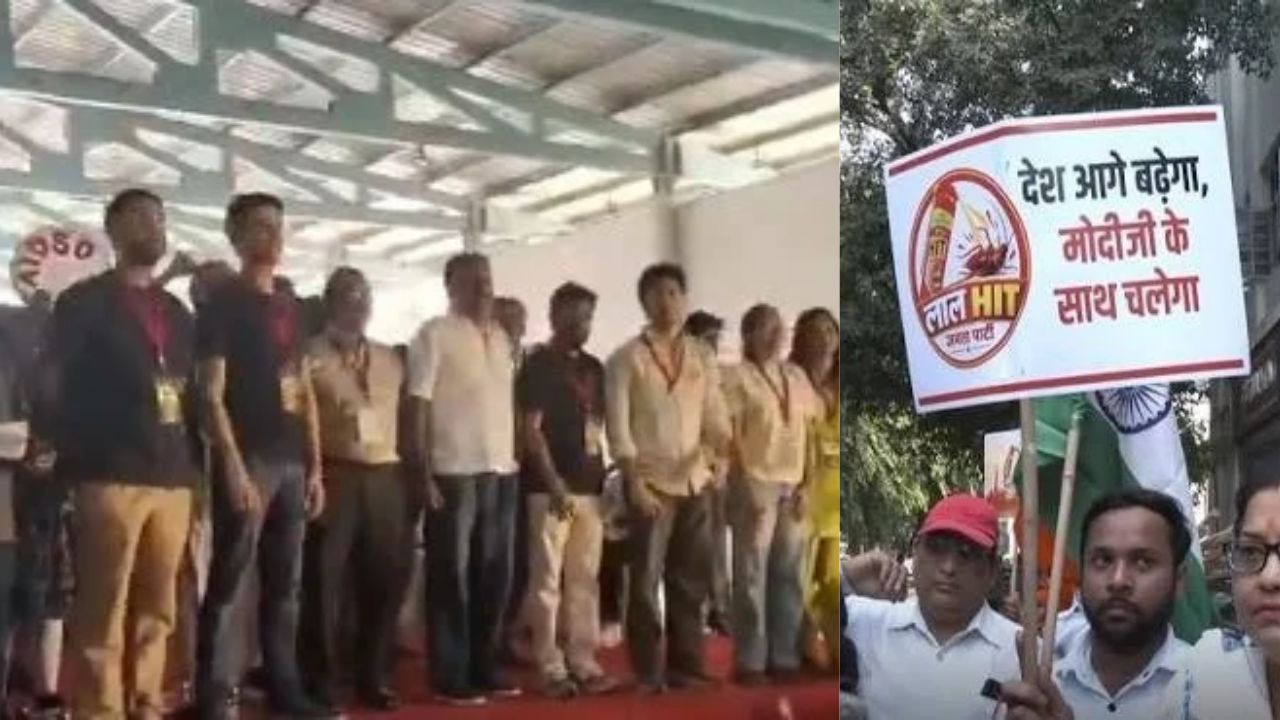
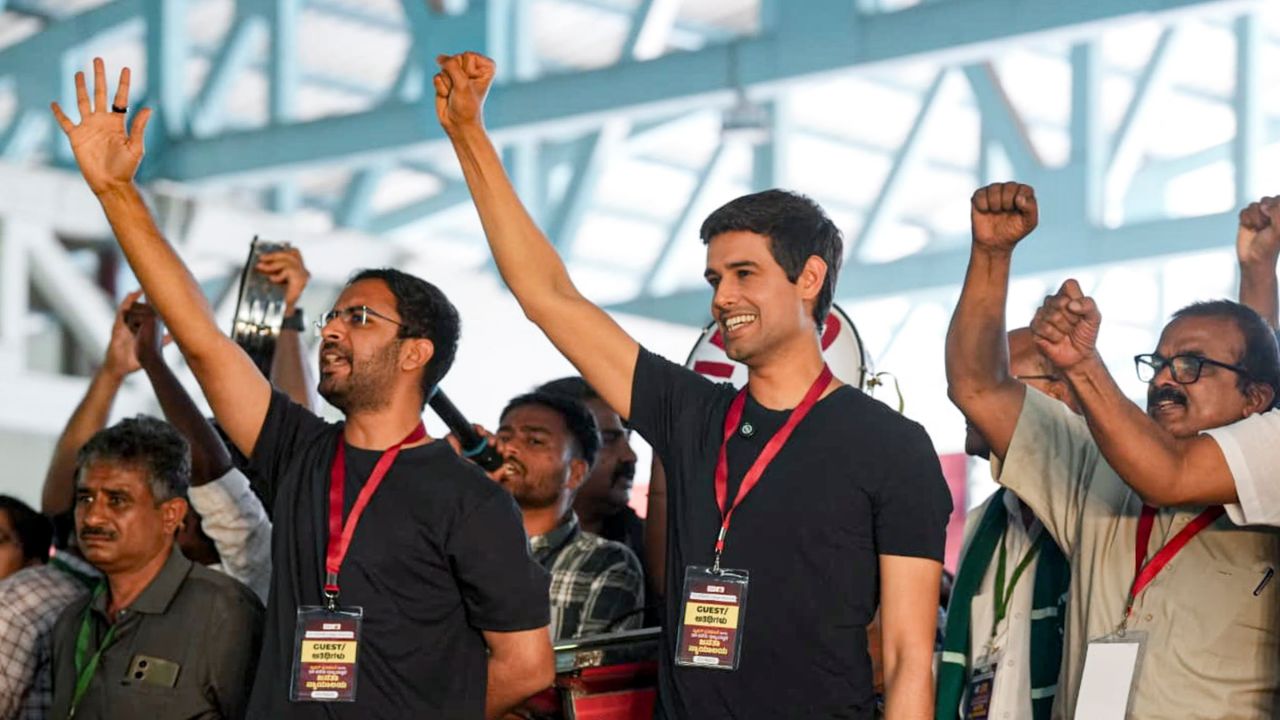
Around 30,000 people reportedly gathered in Delhi on July 20 for a CJP-led demonstration and attempted to march towards Parliament. The protest raised concerns over alleged irregularities in the education system, including the NEET paper leak controversy, and demands for the resignation of then Union Education Minister Dharmendra Pradhan.
The demonstration turned tense after police used force to control the crowd, resulting in clashes between protesters and security personnel. Delhi Police subsequently registered FIRs in connection with alleged violence and other incidents.
The cases sparked debate over the handling of student demonstrations, the limits of police powers and the potential consequences of criminal proceedings for young people participating in protests.
The Supreme Court subsequently intervened. On August 3, it clarified that authorities could close or withdraw the relevant FIRs. Its September 1 order quashed the cases covered by the ruling, excluding those involving individuals with criminal antecedents.
The withdrawal of the cases was also linked to an understanding reached during discussions between the Union government and CJP leaders to bring the protests to an end.
The petitioner argued that the police should be allowed to carry out their duties independently, including maintaining law and order, investigating offences and bringing accused persons to justice. The plea maintained that police functions should not be interfered with unless there were grounds to establish that the authorities had acted unlawfully or in bad faith.
The petition sought directions to the Union government, the Delhi Police Commissioner and the Delhi government to ensure an independent, fair and lawful investigation into the FIRs registered over the Jantar Mantar protests.
The petitioner also questioned the wider use of public interest litigation, arguing that courts should not be asked to take over the responsibilities of the executive or legislature. The arguments raised concerns about the appropriate scope of PILs and the need for established legal procedures.
However, the Supreme Court held that the relief being sought would effectively require it to reconsider its earlier order. The bench refused to reopen the matter.
During the hearing, the Chief Justice referred to a recent order involving 63 criminal cases against MPs and MLAs in Himachal Pradesh. The cases were connected with demonstrations, sit-ins and other incidents during the COVID-19 pandemic.
The court noted that the protests had involved allegations of road blockades and damage to public property. However, it also considered the exceptional circumstances of the pandemic, when people were responding to an unprecedented public health crisis.
The Supreme Court had permitted the Himachal Pradesh government to withdraw prosecution in the cases under consideration after the matter encountered legal hurdles before the High Court.
The reference highlighted the importance of examining the circumstances surrounding a protest rather than automatically treating everyone facing criminal charges as a hardened offender. The court used the comparison to explain why the background of an incident and the long-term consequences of prosecution can matter when deciding whether cases should continue.
The ruling comes amid renewed political tensions ahead of a proposed CJP protest in Delhi on October 10. The demonstration is linked to demands for the resignation of Chief Election Commissioner Gyanesh Kumar over allegations concerning electoral irregularities and the Special Intensive Revision of electoral rolls.
The CJP and opposition groups have raised allegations of vote theft and questioned aspects of the electoral roll revision process. These remain allegations and should not be treated as established findings.
Delhi Police have reportedly denied permission for the proposed gathering and warned against unauthorised demonstrations. The prospect of another protest has brought questions about public order, the right to demonstrate and police preparedness back into focus.
The CJP had also supported an INDIA bloc MPs’ march towards the Election Commission’s office on October 6. Opposition criticism of the poll body has intensified following reports of disagreements among election officials over certain decisions and orders concerning the SIR process.
The Supreme Court’s latest ruling, however, is limited to the earlier student protest cases and the FIRs covered by its previous order. It does not provide a blanket exemption from criminal law to protesters or give demonstrators permission to violate the law. The dismissal means the challenge to the earlier order has failed, leaving the Supreme Court’s decision to quash the specified FIRs in place.