 English
 English
Delhi and several Indian cities are witnessing unusually high temperatures weeks before summer. Experts say climate change is disrupting traditional weather patterns, causing shorter winters and raising concerns about more frequent heatwaves across the country.
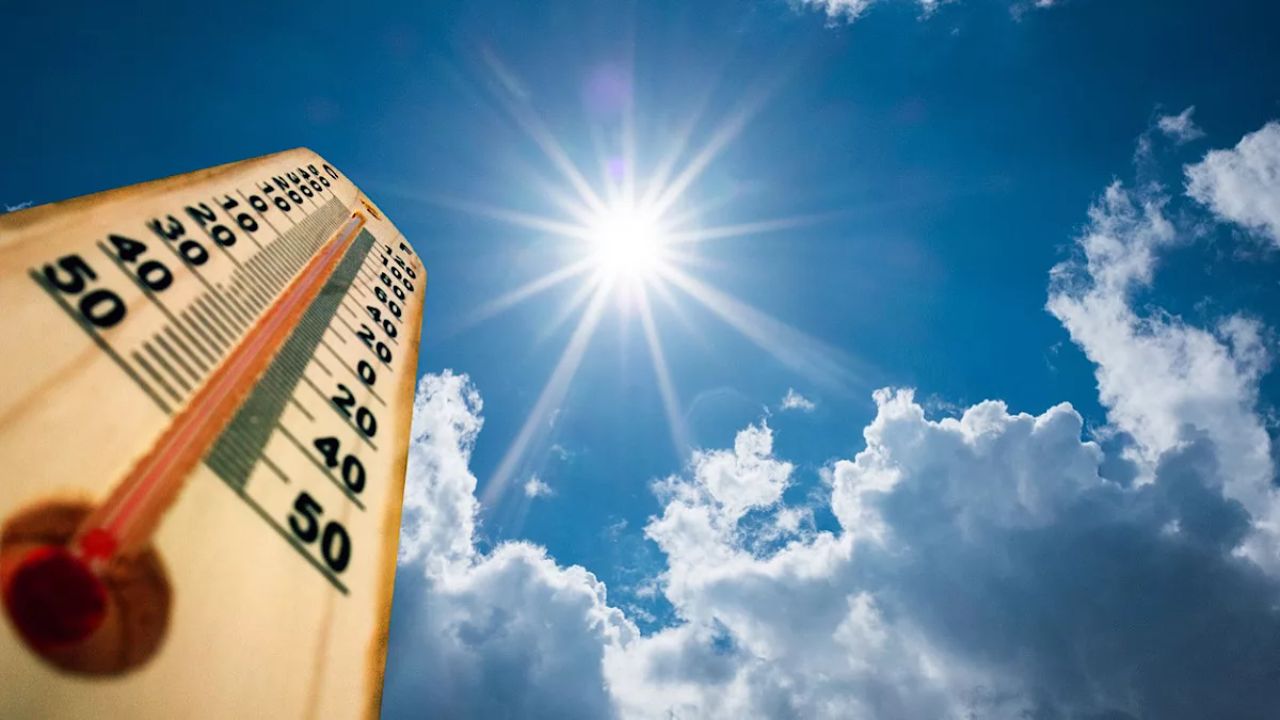
Temperature Soars in Delhi, Clear Skies to Keep Heat Rising
New Delhi: Delhi and large parts of India are experiencing unusually high temperatures much earlier than usual this year. On March 11, Delhi recorded 36.8°C, the highest temperature ever in the first half of March since 2011, reports Dynamite News correspondent.
Daytime temperatures in the Delhi-NCR have hovered around 35°C, about 5–7°C above the seasonal average, while night temperatures remained around 17°C, roughly 3–4°C above normal.
Experts say the early heat signals shorter winters and a shrinking spring season in northern India. The unusual warmth has occurred despite the presence of La Niña, which typically cools global temperatures.
According to climate analysts, rising greenhouse gas emissions are increasingly overriding traditional weather patterns.
Climate data shows that 2025 was the eighth warmest year in India since 1901, with the all-India mean land surface temperature 0.28°C above the 1991–2020 average. Scientists note that the past 11 years have all ranked among the warmest on record, highlighting the growing impact of global warming.
The India Meteorological Department has forecast above-normal heatwave days between March and May, suggesting the early heat in Delhi could signal a hotter summer ahead.
Meteorologist Mahesh Palawat said a persistent anti-cyclonic circulation over Gujarat pushed warm winds toward Delhi, contributing to the sudden rise in temperatures.
Light rainfall in Delhi on Sunday briefly cooled temperatures. The maximum temperature dropped to 30.1°C, while the minimum was recorded at 18.1°C.
Weather experts say another western disturbance could bring widespread rain around March 19–20, helping control the heat for a few days.
The warming trend has been visible beyond Delhi. Mumbai recorded 40°C on March 10, about 7.6°C above normal, triggering severe heatwave conditions. Similar spikes were reported in parts of Himachal Pradesh and the Vidarbha region.
Experts warn that more frequent heatwaves, erratic rainfall and shorter winters could become common in India in the coming decades due to climate change.