 English
 English

India-US Trade Deal: Piyush Goyal Says Farmers’ Interests Will Remain Protected. (Img: X)
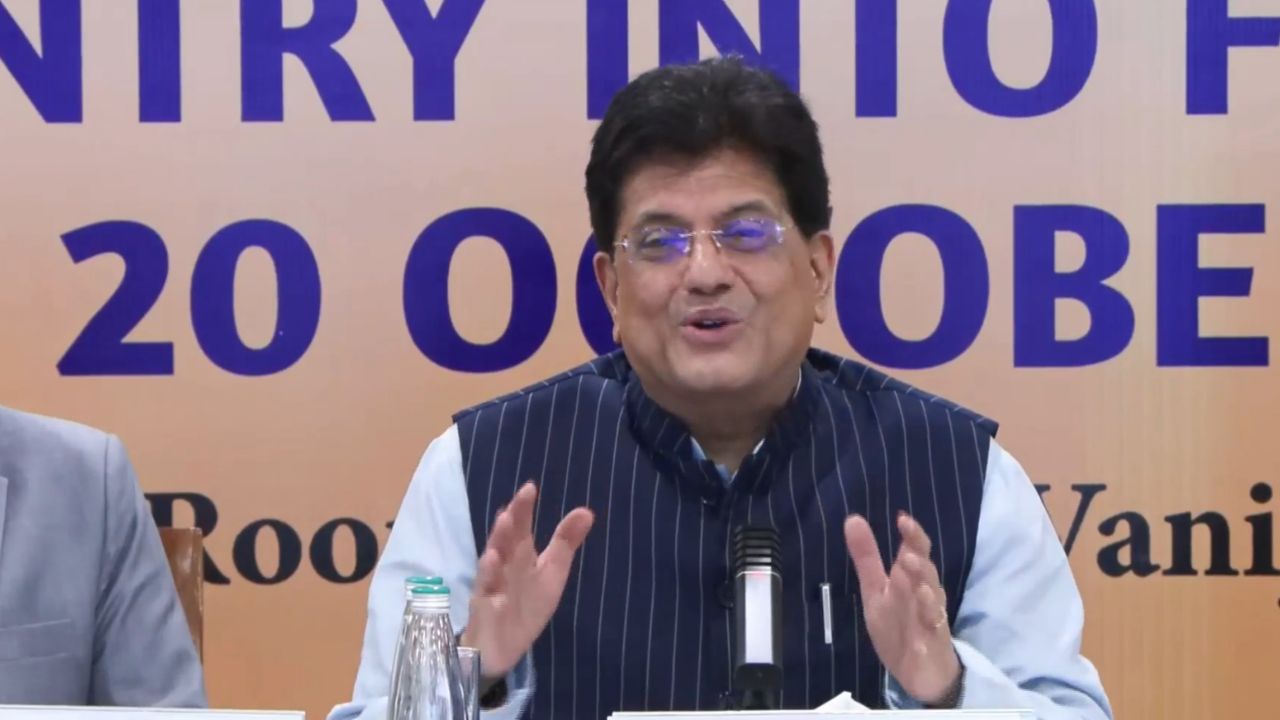
New Delhi: Union Commerce and Industry Minister Piyush Goyal has expressed confidence that the proposed India-US trade agreement will protect the interests of Indian farmers and domestic stakeholders while strengthening the country’s global trade position.
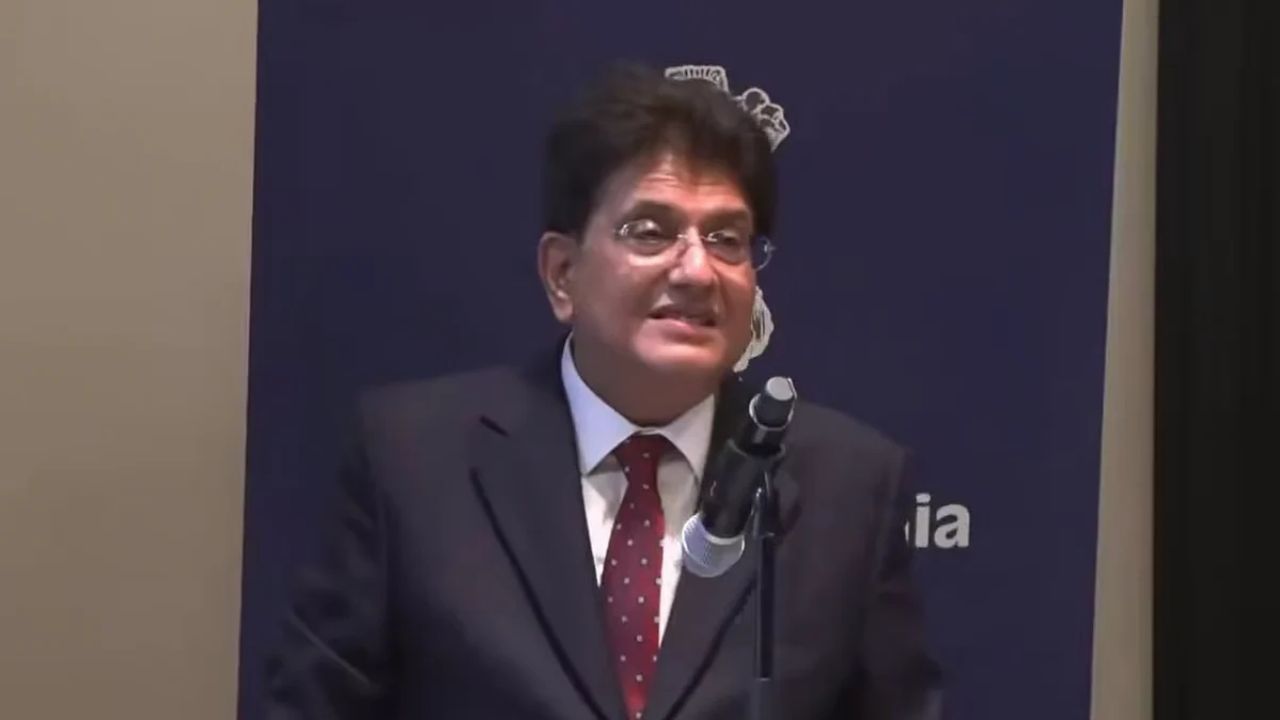
Speaking at the 4th ISID-IDRA National Conference on India’s Industrial Transformation in New Delhi, Goyal said India would secure a strong comparative advantage once the agreement’s final terms are made public, amid growing expectations that negotiations between New Delhi and Washington are approaching a crucial stage.
Goyal defended the ongoing negotiations, maintaining that concerns about the proposed agreement should be assessed only after its provisions are publicly available. He asserted that India’s sensitive agricultural interests and other domestic stakeholders would remain protected, while the agreement could create fresh opportunities for exports, investment and services.
The minister also criticised attempts to politicise the negotiations before the final terms had been disclosed. Referring to eight previously concluded free trade agreements, he said he had yet to encounter substantive criticism identifying flaws in those agreements whose details were available for public scrutiny.
The proposed India-US agreement is the ninth trade arrangement highlighted by the minister in this context. Its eventual impact will depend on the negotiated provisions covering tariffs, market access, investment and safeguards for domestic industries.
The agreement is expected to deepen commercial ties between the world’s two largest democracies and potentially improve access for Indian businesses to the American market, a major destination for Indian merchandise exports and services.
Goyal has emphasised that India’s trade strategy extends beyond securing market access. Investment flows, services exports, manufacturing competitiveness and opportunities for Indian enterprises are also important considerations.
For labour-intensive sectors, improved access to the US market could support export growth, employment generation and manufacturing expansion, depending on the final tariff structure and sector-specific concessions.
The negotiations also carry implications for micro, small and medium enterprises (MSMEs), which could benefit from greater export opportunities but may face stronger competition if market access expands in both directions.
Agriculture remains one of the most sensitive areas of the negotiations. The final agreement will need to address India's concerns about farmer livelihoods and domestic agricultural priorities while balancing the commercial objectives of both countries.
US President Donald Trump has described the agreement as close to completion, suggesting that the eventual arrangement could differ from previous trade agreements concluded by Washington.
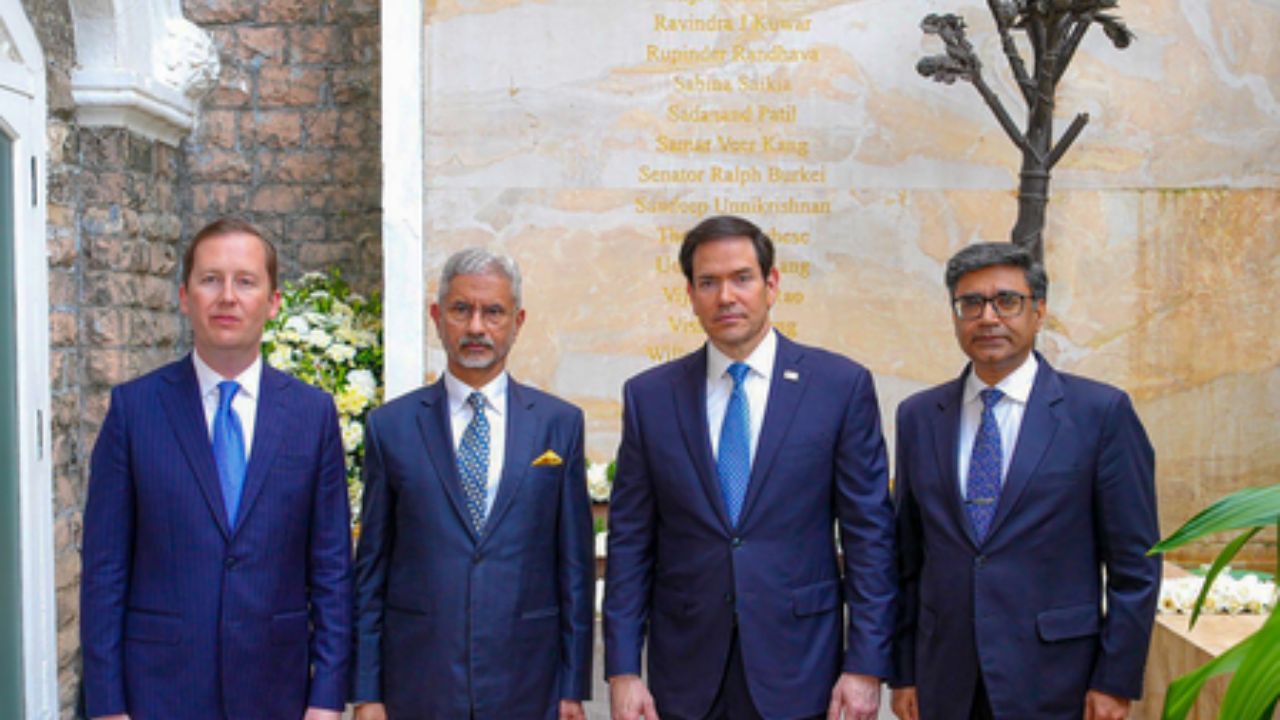
US Secretary of State Marco Rubio has also indicated that negotiations are nearing their final stage, with a limited number of outstanding issues reportedly requiring resolution.
External Affairs Minister S Jaishankar has similarly described the negotiations as being in the final stretch while cautioning that the remaining stage can present significant challenges.
Despite these encouraging signals, the agreement has not been finalised publicly. The precise terms, implementation timeline and sector-wise implications will become clearer only when both governments announce the outcome.
Goyal has argued that India's recently concluded trade agreements have expanded preferential market access across a combined economic area representing approximately USD 60 trillion in GDP, according to figures cited by the minister. He contrasted this with the approximately USD 10 trillion covered by trade agreements concluded before 2014.
He also discussed India's decision not to join the Regional Comprehensive Economic Partnership (RCEP), a regional trade bloc involving China, Japan, South Korea, Australia, New Zealand and the ASEAN member states.
The minister's broader argument is that India must pursue trade partnerships that complement its economic strengths, expand export opportunities and protect sensitive domestic sectors rather than expose local producers to unfavourable competition.
Goyal has expressed confidence that the outcome will strengthen India's position in international trade. However, the actual benefits and risks will depend on the final text, the sectors covered and the implementation framework agreed upon by New Delhi and Washington.