English
 English

Red skies over Chhattisgarh spark questions amid unsettled weather
Raipur: The skies over parts of Chhattisgarh reportedly turned an eerie shade of red as strong winds and unsettled weather associated with Cyclone Arnab swept across the region, leaving residents surprised and prompting questions about the unusual sight.
Videos and photographs of the striking spectacle have circulated on social media, with residents sharing glimpses of the reddish skies. The phenomenon drew attention amid warnings of thunderstorms, gusty winds and heavy rainfall across parts of central India as the remnants of Cyclone Arnab moved inland.
But did Cyclone Arnab cause the sky to turn red? While the weather system may have contributed to the atmospheric conditions, there is currently no confirmed evidence establishing a direct link between the cyclone and the unusual colour.
Atmospheric factors such as cloud cover, airborne dust and the Sun’s position can influence the colours visible in the sky. Understanding these processes may help explain the phenomenon, although the specific cause of the Chhattisgarh sighting remains uncertain.
Sky turns red in some areas of Chhattisgarh due to cyclone Arnab.
Brings winds of 60-80 km/h with gusts upto 90 km/h.
Residents are adviced to follow official weather alerts and local authorities instructions. 🙏🏻#CycloneArnab #WeatherAlert
#CycloneUpdate https://t.co/fRKPGp2hTp— Nisha Yadav (@valuecraft_) October 28, 2026
The reddish appearance of the sky is often associated with the way sunlight interacts with molecules and particles in the atmosphere.
During sunrise and sunset, sunlight travels through a greater distance in the atmosphere. Shorter wavelengths, such as blue light, are scattered more strongly, allowing longer wavelengths, including red and orange, to become more prominent.
This process is commonly explained through Rayleigh scattering. However, larger particles, including dust, smoke and water droplets, can also affect the colour and intensity of light through other scattering processes.
Storm clouds, suspended dust and changes in atmospheric visibility can combine to create unusual patterns of light and shadow. Under certain conditions, these interactions can produce dramatic red or orange skies.
However, it would be premature to attribute the Chhattisgarh sighting specifically to Rayleigh scattering involving storm moisture and airborne particles. Establishing the precise cause would require local observations and information about atmospheric conditions at the time.
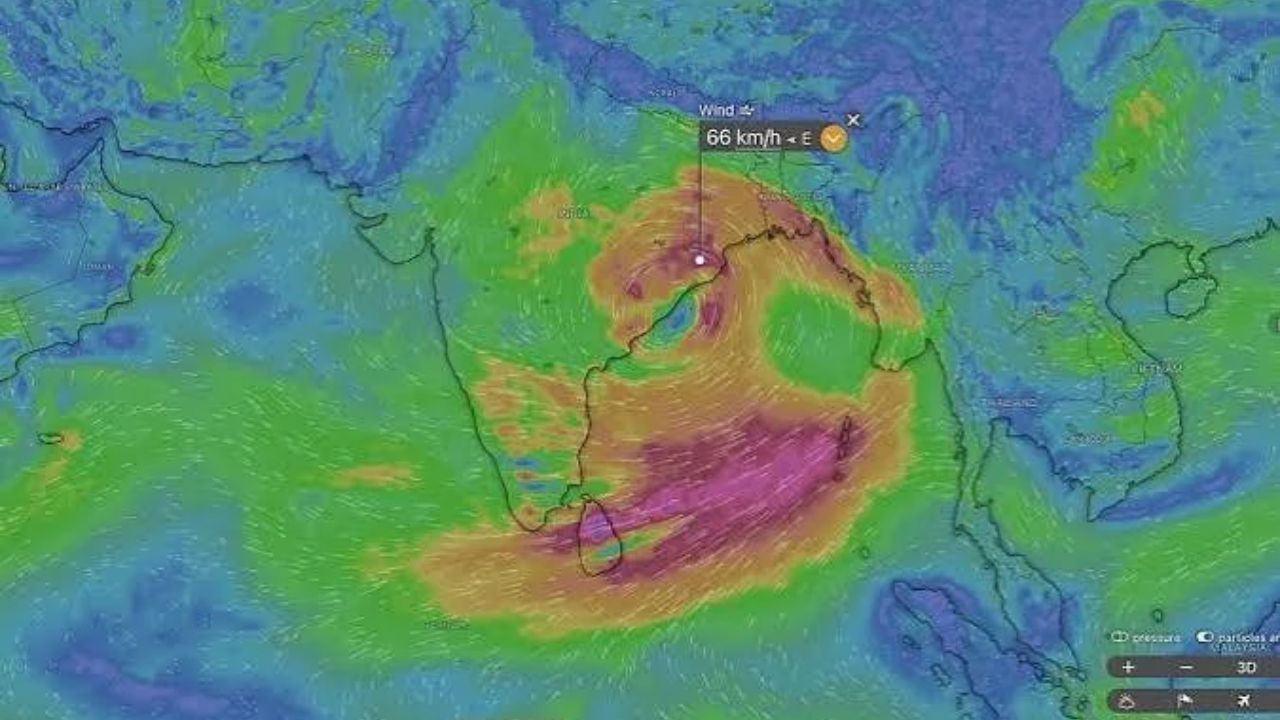
The unusual skies appeared alongside reports of strong winds reaching speeds of 60–80 kmph, with gusts reportedly touching 90 kmph in affected areas.
Winds of this intensity can uproot trees, damage weak structures, disrupt electricity supplies and make travel hazardous, particularly when accompanied by thunderstorms and heavy rainfall.
Unusual red skies have reportedly been witnessed in some parts of Chhattisgarh as strong winds associated with the weather system named Cyclone Arnab sweep across the region. The striking visuals have caught attention on social media, with residents sharing footage of the unusual sky.
Wind speeds have reportedly reached 60-80 km/h, with gusts of up to 90 km/h. The conditions have raised concerns about potential damage, fallen trees and disruptions, particularly in areas exposed to strong winds.
However, the cause of the red appearance has not been independently confirmed, and the reported cyclone details should be checked against official India Meteorological Department (IMD) bulletins before publication. Residents are advised to follow official weather alerts and local authorities' instructions.
— Omprakash Sirvi (SR) (@imOmprakashhh) October 29, 2026
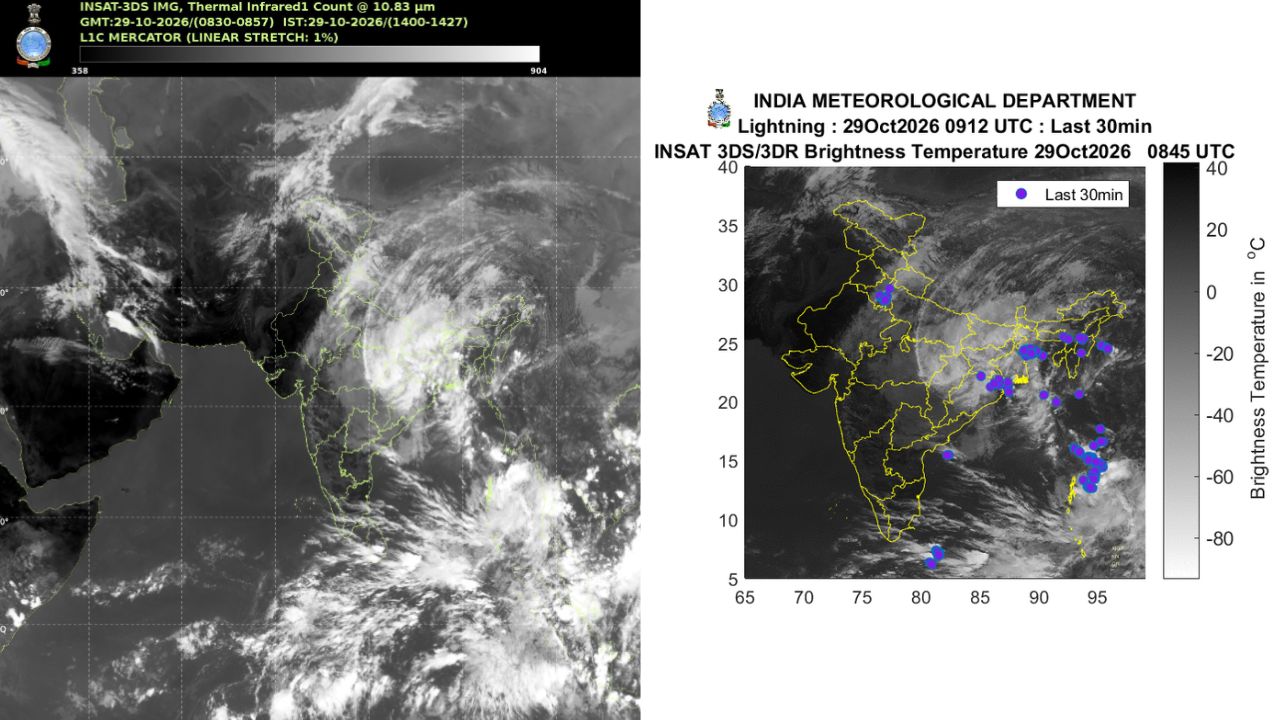
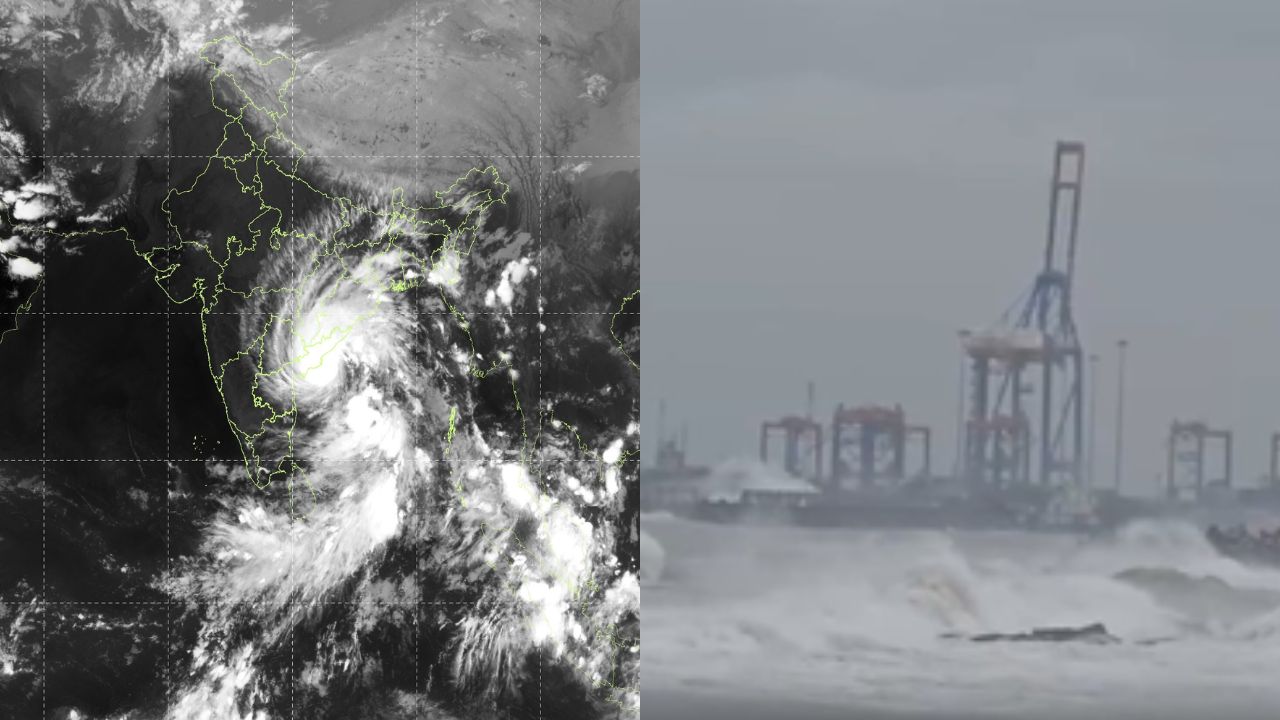
Cyclone Arnab weakened after making landfall along the Andhra Pradesh coast, but its remnants continued moving inland, bringing the threat of rainfall to several states.
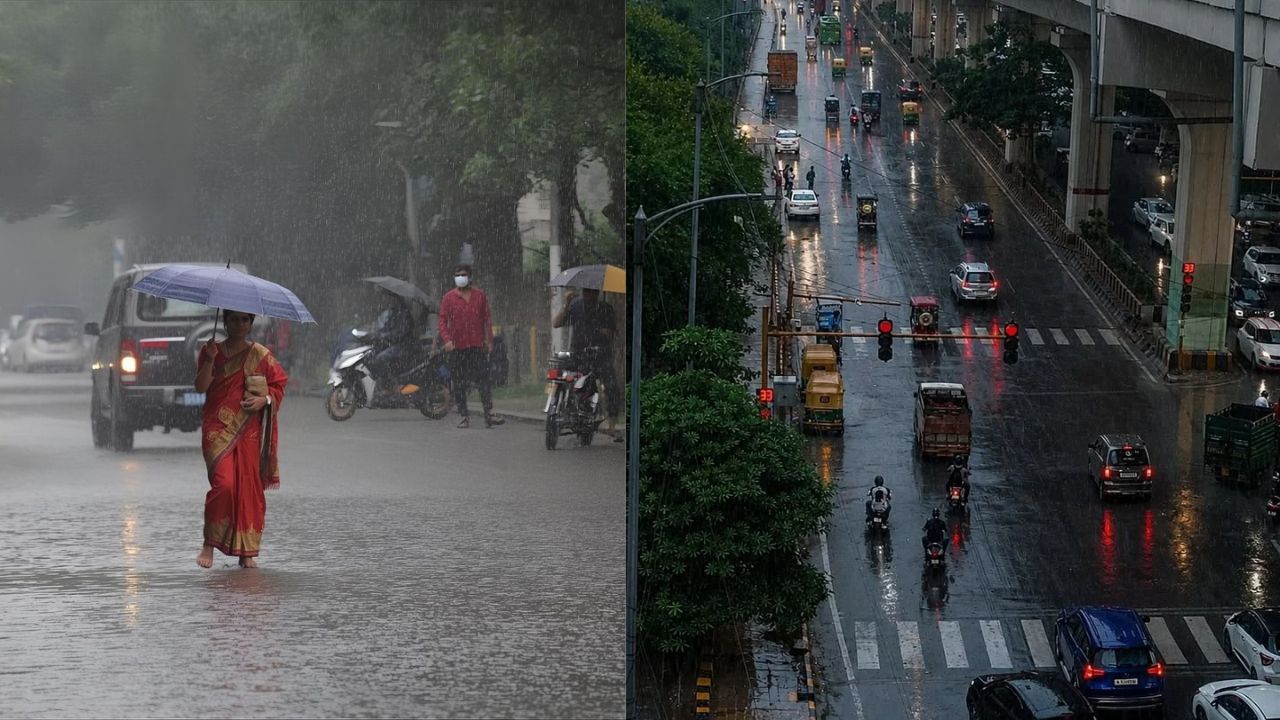
While the red skies have captured public attention, the immediate concern remains the unsettled weather and its potential impact on people and infrastructure. Residents should follow official weather advisories and exercise caution during thunderstorms and periods of strong winds.
For now, the reddish skies remain a striking atmospheric phenomenon. Their precise cause cannot be established without further scientific assessment and observations of local weather conditions.