 English
 English
The United States and Israel have launched large-scale military strikes on Iran, with President Donald Trump announcing major combat operations. Explosions are reported in Tehran, multiple regional airspaces are shut, and Iran is retaliating, raising fears of a wider Middle East conflict.
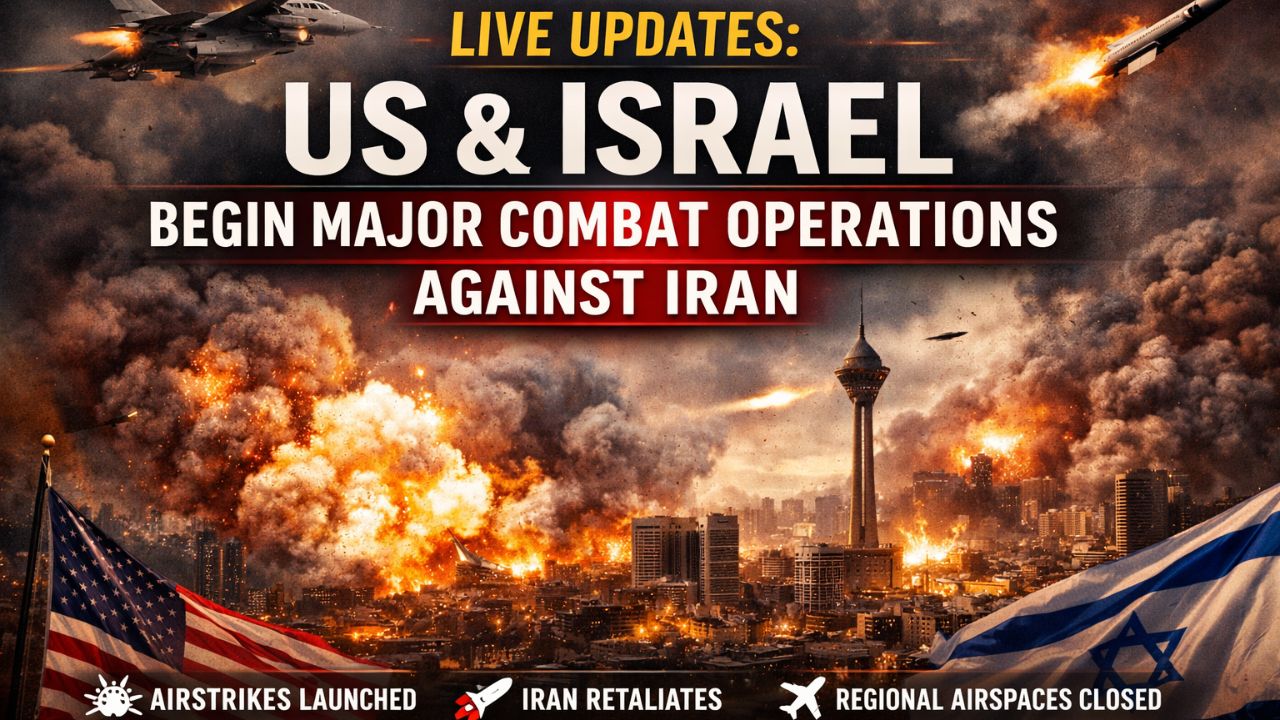
Military conflict and airstrikes in Tehran (Image Source: Dynamite News)
Russian FM Sergey Lavrov and Qatari PM/FM Sheikh Mohammed bin Abdulrahman Al Thani urged a halt to military action that could destabilize the region. They emphasized returning to political and diplomatic processes under UN principles.
The US Transportation Department advises vessels to steer clear of the Strait of Hormuz, Gulf, Gulf of Oman, and Arabian Sea due to “significant military activity.” US ships should maintain 30 nautical miles from US military vessels. Qatar temporarily suspends maritime navigation.
External Affairs Minister S. Jaishankar spoke with Iranian FM Seyed Abbas Araghchi and Israeli FM Gideon Sa’ar, expressing India’s “deep concern” over escalating military developments. He urged dialogue and diplomacy to prevent regional war.

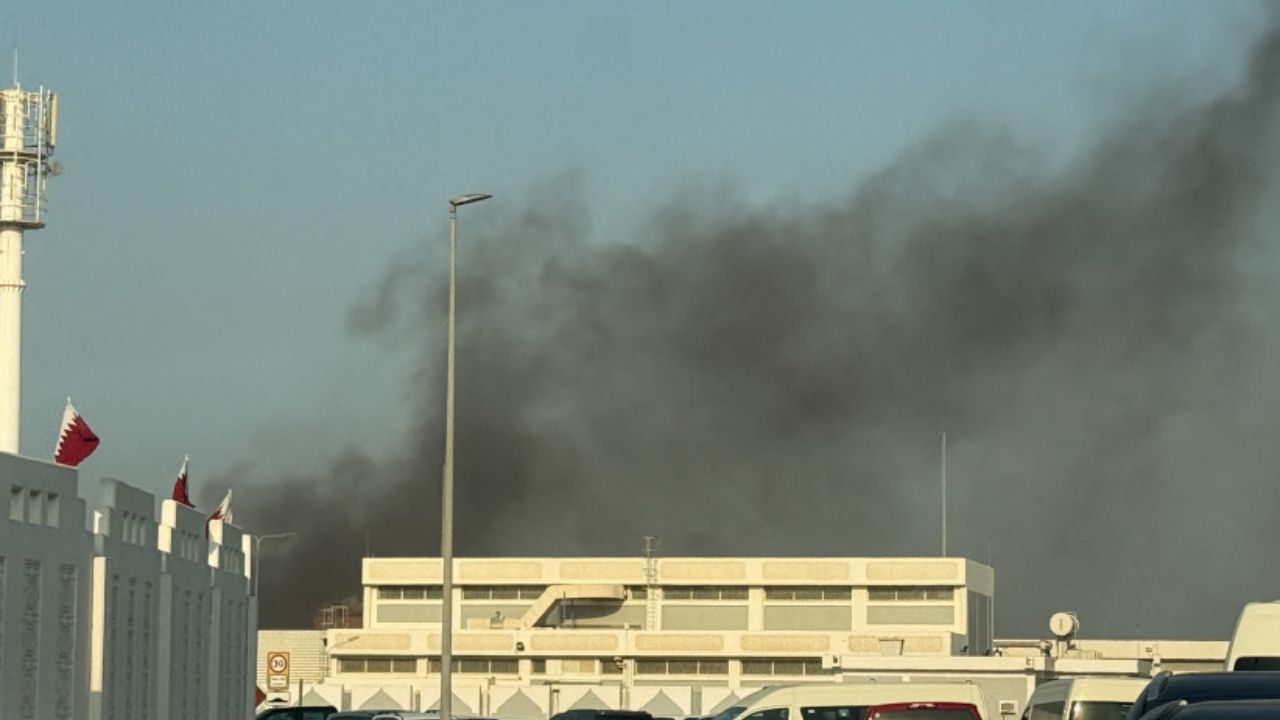
Dubai’s Media Office reports an “incident” in a Palm Jumeirah building. Emergency teams responded; fire is under control. Four people were injured and hospitalized. Eyewitnesses report smoke; the area is known for luxury hotels.
Iran told the UN it will exercise its right to self-defense, considering all US and Israeli bases, facilities, and assets in the region as legitimate military targets following recent strikes.
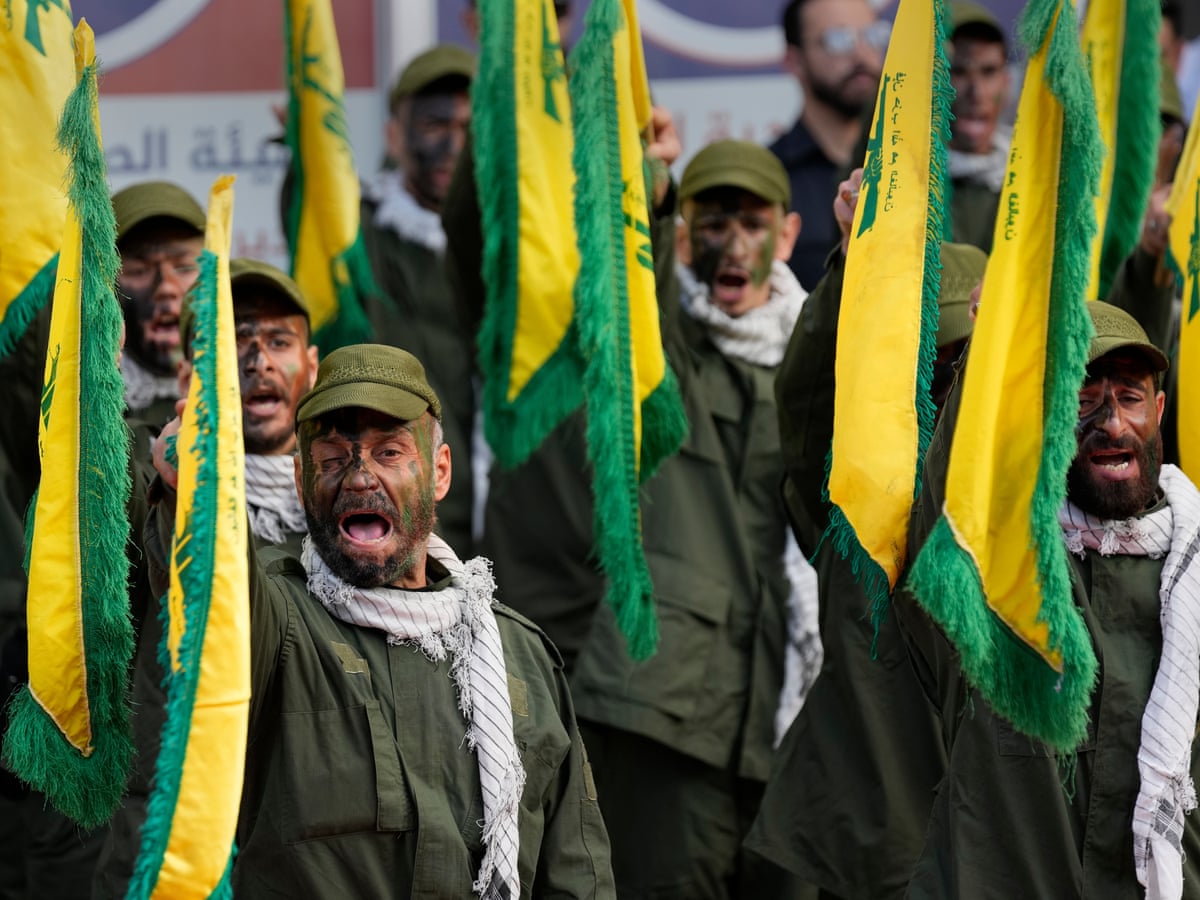
Lebanon’s Hezbollah condemned the US-Israeli strikes on Iran, calling them a “continuation of the arrogant and domineering approach.” The group expressed solidarity with Iran but did not indicate any planned action.
Israel Attacks Iran: India Issues UAE Advisory for Stranded Passengers
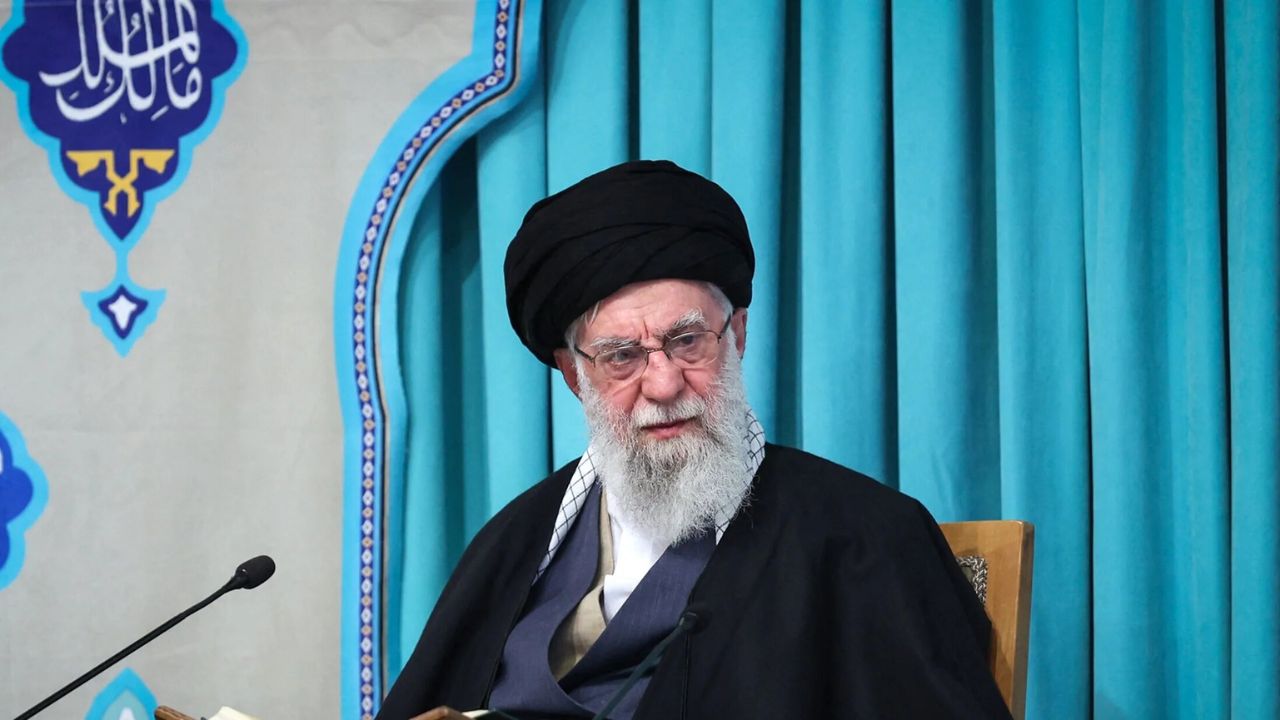
Iran’s Foreign Minister Abbas Araghchi has confirmed that the country’s Supreme Leader Ayatollah Ali Khamenei is alive, rejecting media reports that he had been killed during the recent joint military strikes carried out by the United States and Israel.
Speaking in an interview with NBC News, Araghchi said that, to the best of his knowledge, Khamenei and other senior Iranian officials remain safe. He added that government leadership continues to function normally despite the ongoing conflict.
A drone struck Kuwait International Airport, causing minor injuries and limited terminal damage, authorities say. Emergency procedures were implemented, and the situation is under control. No group has claimed responsibility.
Israel’s Prime Minister Benjamin Netanyahu held a phone call with US President Donald Trump, according to a photo released by his office.
The German Foreign Ministry has issued travel warnings for: Bahrain, Iraq, Israel, Jordan, Qatar, Kuwait, Oman, Saudi Arabia & UAE.

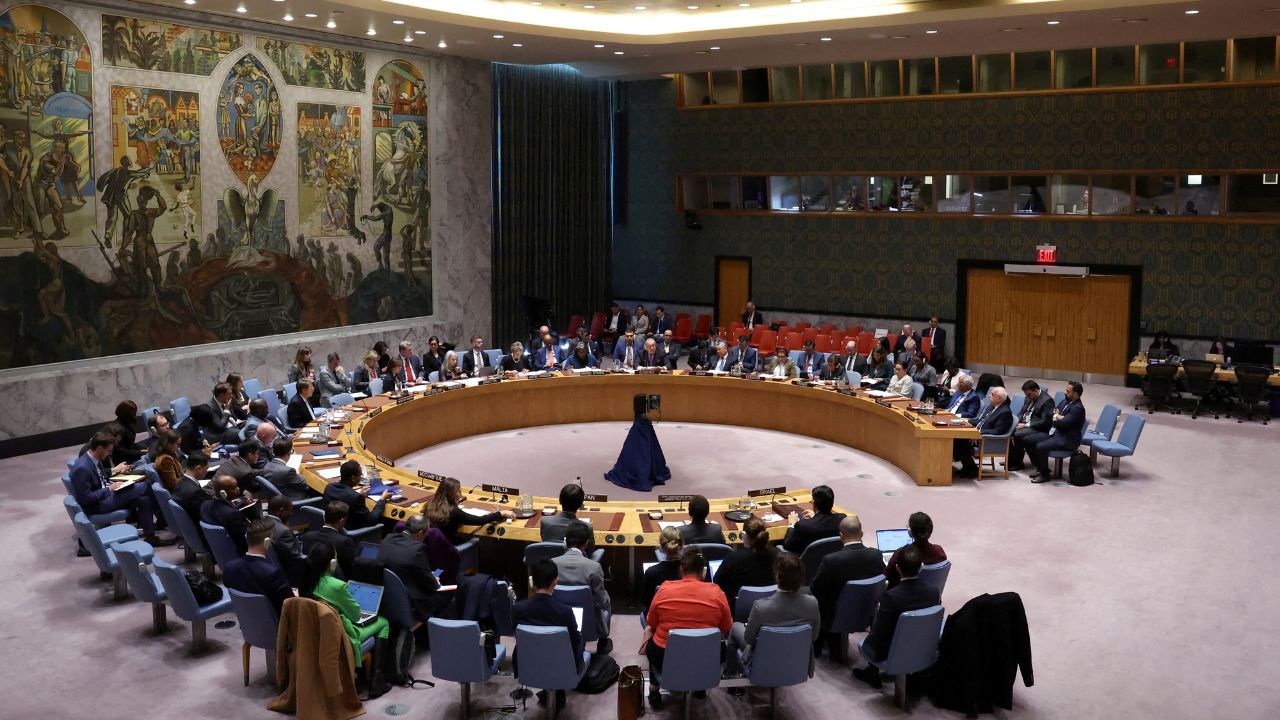
French Foreign Minister Jean-Noel Barrot announced that at France’s request, the UN Security Council will convene at 2100 GMT to discuss the escalating situation in Iran and the wider Middle East.
Iran’s Foreign Minister Abbas Araghchi told NBC News that Supreme Leader Ayatollah Ali Khamenei is “still alive, as far as I know,” rejecting Israel’s Channel 12 report claiming he was likely killed in airstrikes. Araghchi confirmed two commanders were killed but said all senior officials are alive and managing the situation.
Iran’s state-run Al-Alam TV reports that Supreme Leader Ayatollah Ali Khamenei will deliver a televised address shortly following coordinated US and Israeli airstrikes across multiple locations, including Tehran.
Energy prices surge while aviation and shipping routes face uncertainty due to escalating hostilities.
Dramatic visuals emerge from the capital as fires and explosions light up the night sky.
Governments across West Asia activate emergency protocols and warn citizens amid rising instability.
Tehran responds to attacks by targeting Israeli positions and US-linked assets in the region.
Major carriers reroute aircraft, triggering widespread travel disruptions and delays.
Regional governments suspend flights to prevent risks to civilian aviation during ongoing attacks.
Tehran suspends all civilian air traffic as a precaution following widespread military strikes.
Loud blasts and rising smoke are reported across Iran’s capital, with damage assessments still underway.
The US President formally announces active military engagement, signaling direct American involvement in the unfolding conflict.
Joint operations mark a major escalation, with strategic sites reportedly targeted in multiple locations across Iran.
Tensions have sharply escalated in West Asia following the latest military strikes by Israel and the United States on Iran. Several countries have responded by urging restraint, calling for an immediate halt to hostilities, and pushing for a return to diplomacy. Pakistan, meanwhile, voiced clear support for Tehran.
Iran has claimed that at least 36 female students were killed when a girls’ school in Minab, southern Iran, was hit during joint US-Israeli airstrikes. The report was carried by the state-run Islamic Republic News Agency, which said the strike occurred as part of a broader wave of attacks across the country on Saturday.
Iranian media described the incident as the first confirmed fatalities inside Iran since the military campaign began. Explosions were reported in multiple locations, including areas near offices linked to Supreme Leader Ali Khamenei. Smoke was also seen rising from parts of the capital, Tehran.
Several Gulf cities witnessed explosions and air defence activity after Iran reportedly launched ballistic missiles across the region in response to joint strikes by the United States and Israel.
Residents in Abu Dhabi, Doha, Kuwait City and Riyadh reported hearing loud blasts. Witnesses in Abu Dhabi told international media that explosions echoed across parts of the UAE capital, while another major blast was reportedly heard in Dubai. Officials said air defence systems in several countries were activated after missiles were detected in regional airspace.
Iran has reportedly fired a first wave of ballistic missiles toward Israel, escalating tensions hours after joint military strikes by the United States and Israel targeted Iranian facilities.
According to reports, between 30 and 75 missiles were launched toward Israeli territory. Air raid sirens were activated across northern parts of the country as authorities warned residents of incoming threats.
The Middle East has been thrust into heightened tension after Israel announced a preemptive airstrike on Iran, triggering a nationwide state of emergency. Sirens wailed across Israel, airspace was closed, and educational institutions were shut as authorities warned of possible retaliatory missile and drone attacks.
New Delhi: The United States and Israel have commenced extensive military strikes on Iran, marking one of the most significant escalations in Middle East tensions in years. US President Donald Trump declared that “major combat operations” are underway targeting Iranian military capabilities and infrastructure.
Explosions and plumes of smoke have been reported in Tehran, with Iranian airspace closed indefinitely as a result of the attacks. Regional nations including Israel, Iraq, Qatar, Kuwait, Bahrain, Jordan, and the UAE have shut their airspace, causing widespread flight suspensions and diversions.
Iran has retaliated with missile and drone strikes, reportedly targeting US bases and Israeli positions, elevating fears of spillover into a broader war. Oil markets and international travel routes are already being disrupted as this developing crisis continues to unfold.