 English
 English

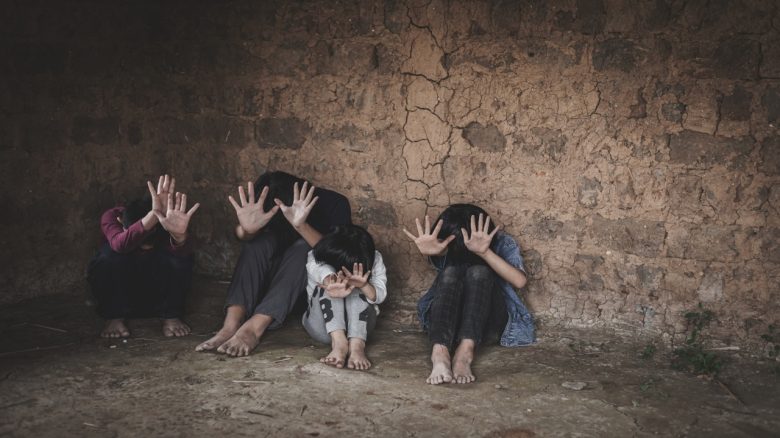
Karnataka’s proposed social media ban for children under 16 could now require intervention from the Centre. (Img: Pinterest)
Bengaluru: Karnataka’s proposed social media ban for children under 16 is entering a crucial phase, with the state government considering a recommendation to the Centre for a wider restriction. While Karnataka plans to regulate access to social media and harmful online content on school and college devices, a complete ban could require action at the Union government level.
The move has renewed the debate over children’s digital safety, screen time, online exposure and the division of regulatory powers between the state and the Centre. For parents, students, schools and technology platforms, the key question is how far the proposed restrictions could go and how they would be enforced.
Bengaluru: Karnataka is considering taking its proposed ban on social media use by children below 16 to the Union government, signalling a shift in its approach to implementing the policy announced in the state’s 2026–27 Budget. The government is exploring the limits of its regulatory authority while continuing discussions with social media platforms on restricting children’s access.
The proposal places Karnataka at the centre of a growing policy debate over children’s online safety, digital addiction, social media exposure and the responsibility of governments and technology companies to protect minors. However, the state’s emerging approach suggests that regulating access within educational institutions may be more immediately feasible than enforcing a blanket prohibition across all devices and platforms.
The Karnataka government had announced its intention to prohibit social media use by children below 16 in the 2026–27 Budget under the leadership of then Chief Minister Siddaramaiah. The stated objective was to protect children from the adverse effects associated with increasing mobile phone usage.
However, translating the budget announcement into an enforceable statewide prohibition presents significant legal, technical and administrative challenges. According to sources cited in the report, the state government has recognised that its immediate regulatory reach is more practical when it comes to computers and digital devices used in schools and colleges.
The broader question of restricting access to social media platforms across personal devices, irrespective of location, is now being viewed as an issue requiring intervention at the Union government level.
The Department of School Education and Literacy is expected to place the matter before the state Cabinet, potentially seeking approval to recommend that the Centre consider a wider prohibition on social media access for children below 16.
While a comprehensive ban remains under consideration, Karnataka’s education department is preparing measures to regulate computer and device usage in educational institutions. The proposed framework would apply to both government-run and private schools and colleges. It is intended to restrict access to online material considered inherently harmful to minors, including social media platforms and YouTube, when accessed through institutional devices.
The approach would allow the state to exercise greater control over the digital environment within educational campuses without immediately attempting to regulate every personal smartphone or internet-connected device used by children outside school. The department’s plan therefore represents a more limited but potentially actionable step towards the broader objective outlined in the Budget.
A complete prohibition would raise questions about implementation, age verification, parental supervision, platform compliance and the treatment of accounts accessed through personal devices.
Karnataka’s emerging position indicates that the state is distinguishing between restrictions it can pursue within educational institutions and a blanket social media ban that it believes requires action at the national level.
The state government is also continuing discussions with social media platforms on how access could be regulated. However, the precise enforcement mechanism, implementation timeline and scope of any eventual prohibition remain unclear.
The proposed Cabinet discussion could be an important step in determining whether Karnataka formally recommends a nationwide regulatory approach to the Centre.
The debate extends beyond restrictions on individual applications. It concerns how children interact with digital platforms, access online information and navigate content that may be inappropriate for their age.
For parents, the proposal raises questions about whether restrictions would apply only during school hours or extend to children’s personal devices and home internet connections. For educational institutions, it could mean additional controls over computer access, content filtering and digital usage policies.
Technology companies could also face questions about age verification, child-safety safeguards and compliance if a wider regulatory framework is introduced. The details would depend on the final policy and the legal mechanism adopted by the competent authorities.
At the same time, any broad restriction would need to account for children’s legitimate educational and social uses of digital platforms, alongside the government’s stated objective of limiting harmful online exposure.