 English
 English

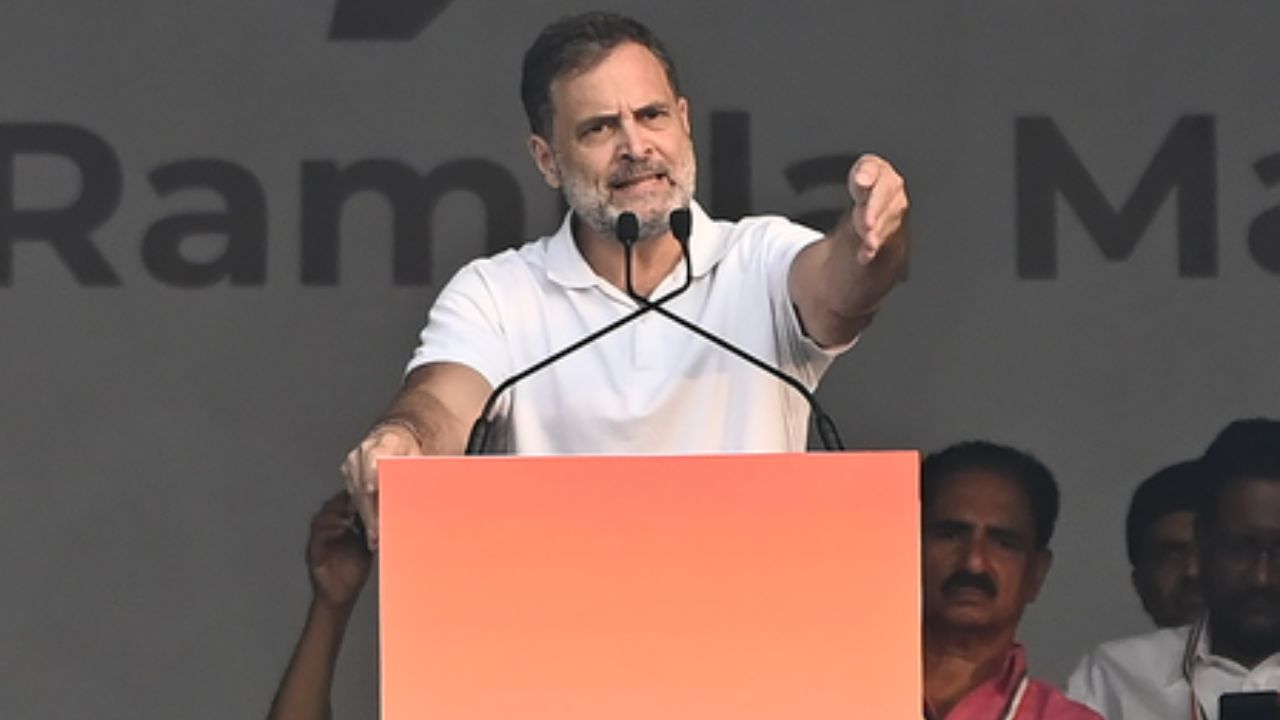
Rahul Gandhi challenges Prime Minister Narendra Modi to a public debate over allegations concerning nationalism and foreign influence. (Img: X)
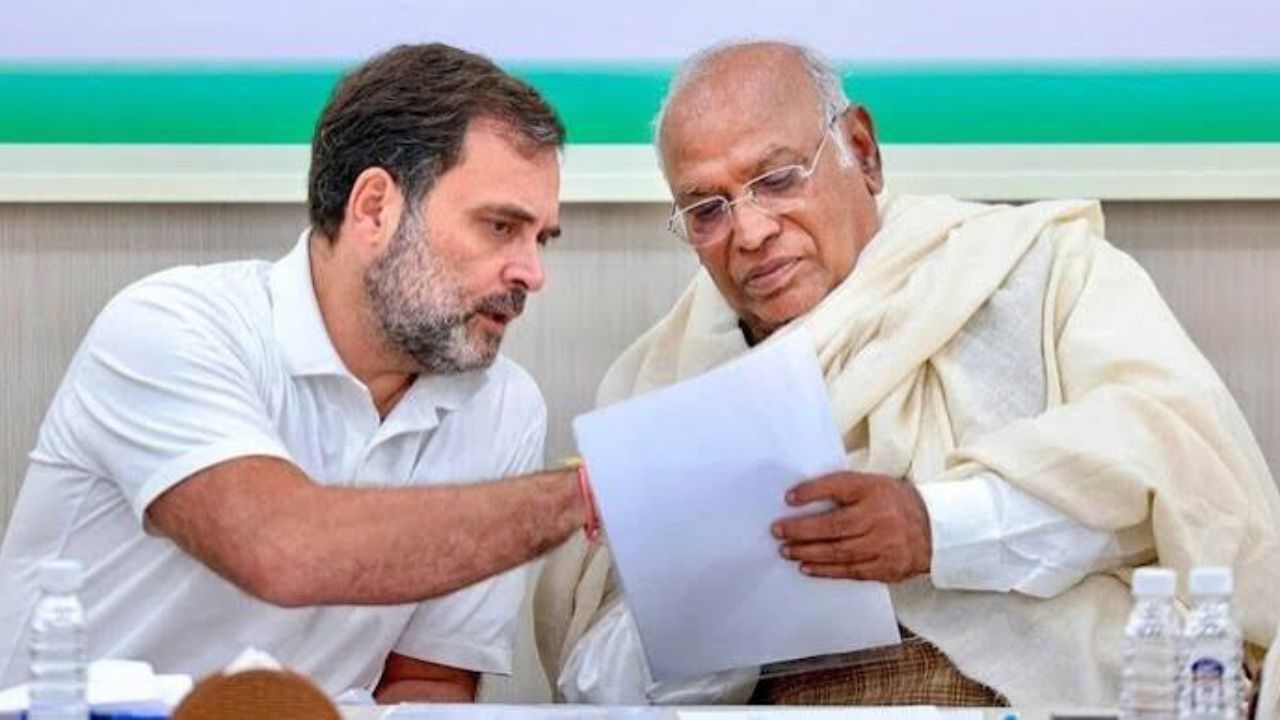
Sangrur: Congress leader Rahul Gandhi on Wednesday launched a major political offensive against the Aam Aadmi Party (AAP) government in Punjab, putting the state's drug crisis, deteriorating law-and-order situation, alleged corruption, farmers' concerns and unemployment at the centre of his address at the Insaaf Rally in Sangrur. Accompanied by Congress president Mallikarjun Kharge, Gandhi used the gathering to intensify the party's political mobilisation ahead of the 2027 Punjab Assembly elections while simultaneously challenging the BJP-led Centre over national security, foreign policy and its anti-narcotics campaign.
The rally marked the formal beginning of an intensified Congress campaign against the Bhagwant Mann-led government, with senior party leaders accusing AAP of failing to fulfil its electoral commitments and address Punjab's pressing socio-economic challenges.
During his address, Gandhi questioned Union Home Minister Amit Shah's announcement that drugs would be eliminated within three years, demanded accountability over major narcotics seizures at Adani's port in Gujarat and accused the Centre of failing to dismantle organised criminal networks. He also renewed his challenge to Prime Minister Narendra Modi for a public debate over allegations concerning the Congress and its purported links with foreign forces.
The Congress leader further alleged that Punjab was effectively being governed from Delhi rather than through an independent state administration. He questioned Chief Minister Bhagwant Mann's leadership, raised concerns about the spread of chitta and other intoxicants, and argued that the absence of adequate employment, industrial development and educational opportunities was aggravating the state's problems.
पंजाब ने AAP पर भरोसा किया, भगवंत मान पर भरोसा किया। वादा था - नशा मिटा देंगे।
मैं पूछता हूं, पंजाब के किस कोने से आपने नशा मिटाया?
पंजाब को ऐसा मुख्यमंत्री चाहिए जो उसका दर्द समझे, नशे के खिलाफ पूरी ताकत से लड़े और युवाओं का भविष्य बचाए।
भगवंत मान जी, सवाल पंजाब की एक पूरी पीढ़ी का है। जवाब दीजिए।
— Rahul Gandhi (@RahulGandhi) November 4, 2026
One of the major political highlights of the Sangrur rally was Gandhi's renewed challenge to Prime Minister Narendra Modi for an open debate on allegations that the Congress and Opposition parties are anti-national and have connections with foreign forces.
Gandhi said the Prime Minister should agree to a direct discussion with him, allowing any mutually acceptable individual to moderate the proceedings. He even suggested that RSS chief Mohan Bhagwat could be considered for the role of moderator.
The Congress leader argued that a short public debate would be sufficient to establish his position on the allegations being levelled against the Opposition. He also accused the BJP of avoiding direct political engagement and claimed that he was frequently prevented from speaking freely in Parliament, where his microphone was allegedly switched off.
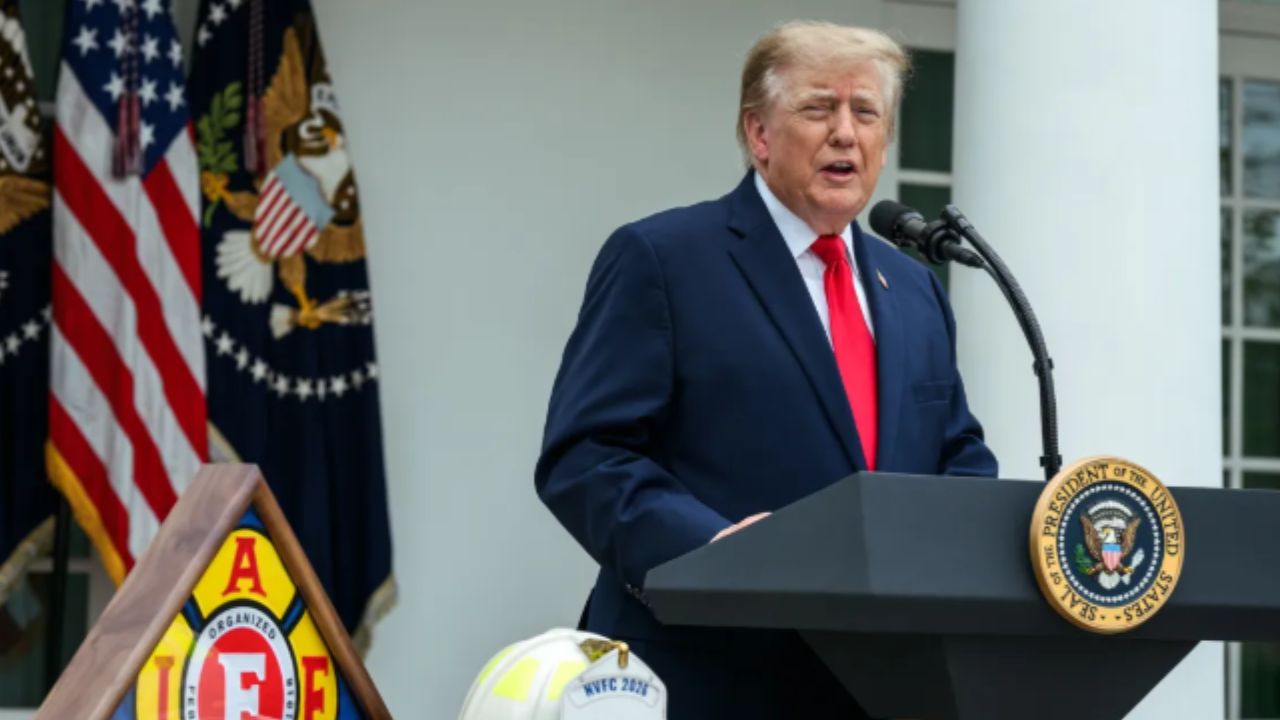
Gandhi further alleged that Modi was being influenced by US President Donald Trump and questioned the Prime Minister's handling of India's international engagements.
Referring to the India-US agreement, Gandhi claimed that the government had finalised the arrangement in an exceptionally short period, putting the interests of Indian farmers and small industrial entrepreneurs at risk. He argued that the country's agricultural and small-business sectors could face adverse consequences from the agreement.
He also raised concerns over Trump's repeated assertions that he had facilitated ceasefire arrangements between India and Pakistan. Gandhi questioned why the Prime Minister had not provided a convincing response to the US President's recurring claims.
The Congress leader maintained that the debate should focus on who was acting in India's national interest and who was compromising the country's strategic and economic priorities. His remarks added an international dimension to the political confrontation at the rally, taking the campaign beyond Punjab's state-level governance issues.
The drug menace emerged as the central theme of Gandhi's attack on the AAP government. Describing chitta, adulterated heroin, pharmaceutical intoxicants and other narcotic substances as major challenges, he accused the state administration of failing to contain the problem.
Recalling his earlier visits to Punjab, Gandhi said he had raised concerns about the spread of drugs several years ago. At that time, political opponents, including the BJP and Shiromani Akali Dal, had dismissed his assessment and questioned his understanding of the state.
He argued that the situation had since become a major public concern, with drug-related crime and addiction continuing to affect communities across Punjab.
Gandhi also questioned Bhagwant Mann's ability to lead an effective campaign against substance abuse. Referring to their time together in the Lok Sabha, he alleged that the Chief Minister had arrived in Parliament with the smell of alcohol on his breath by around 11 am.
Clarifying that alcohol consumption was an individual's personal choice, Gandhi argued that the alleged conduct raised questions about the leadership's commitment to tackling substance abuse. He maintained that Punjab needed a Chief Minister who understood the suffering of families affected by addiction and was personally committed to addressing the problem.
The Congress leader also linked the drug crisis to wider structural challenges, including inadequate employment opportunities, insufficient industrial development and weaknesses in the education system. According to his argument, the absence of sustainable economic opportunities could make young people more vulnerable to addiction and criminal networks.
He accused the AAP government of failing to provide a comprehensive response to the crisis and demanded greater accountability for the continued availability of narcotics in the state.
पंजाब ने AAP पर भरोसा किया, भगवंत मान पर भरोसा किया। वादा था - नशा मिटा देंगे।
मैं पूछता हूं, पंजाब के किस कोने से आपने नशा मिटाया?
पंजाब को ऐसा मुख्यमंत्री चाहिए जो उसका दर्द समझे, नशे के खिलाफ पूरी ताकत से लड़े और युवाओं का भविष्य बचाए।
भगवंत मान जी, सवाल पंजाब की एक पूरी पीढ़ी का है। जवाब दीजिए।
— Rahul Gandhi (@RahulGandhi) November 4, 2026
Gandhi also directed his criticism towards Union Home Minister Amit Shah over his announcement that the country would become drug-free within three years.
Questioning the political and administrative feasibility of the proposed deadline, Gandhi argued that the government's tenure and political circumstances could change before the target was achieved. He also expressed his assessment that the current government could fall within a year.
The Congress leader subsequently raised questions about the recovery of large quantities of narcotics, including heroin, at Adani's port in Gujarat. He demanded details about the action taken by central agencies following the seizures and questioned the effectiveness of the government's anti-drug enforcement mechanism.
Gandhi further accused the Centre of failing to dismantle organised criminal networks and alleged that influential gangsters were receiving protection even while lodged in prisons.
He also referred to the situation in Manipur while questioning the Home Minister's claims regarding national security and law enforcement. Gandhi argued that the Centre should address unresolved security concerns instead of making ambitious promises about eliminating drugs.
The remarks formed part of the Congress's wider attempt to question the BJP's record on narcotics control, organised crime and internal security.
Another significant moment at the Insaaf Rally came when Rahul Gandhi invited Balkaur Singh Sidhu, father of slain Punjabi singer Sidhu Moosewala, onto the stage.
Gandhi indicated that seeing Moosewala's father had prompted him to change the structure of his prepared address. He then recalled his first meeting with the singer, who had approached him several years earlier with an interest in joining the Congress.
The Congress leader said he was initially unfamiliar with Moosewala's music but remembered being impressed by the singer's personality, appearance and potential. He later became familiar with his songs, including the popular track 295.
Gandhi also recalled that he had concerns about Moosewala entering politics because of the risks associated with public life. He said he wanted to provide the singer with political support and protection as he pursued his ambitions.
Revisiting the circumstances surrounding the murder, Gandhi referred to the withdrawal of Moosewala's security and his subsequent killing by assailants travelling in a black SUV. He alleged that the criminal mindset responsible for the killing continued to operate across Punjab, creating an atmosphere of intimidation for talented and ambitious young people.
He argued that individuals seeking to contribute to Punjab's development were increasingly facing threats and violence, raising wider questions about the state's security environment.
Gandhi also recalled visiting Moosewala's native village after the murder and meeting his father. He referred to the profound grief expressed by Balkaur Singh over the loss of his son, describing the experience of parents witnessing their child's death as an extraordinary personal tragedy.
Sidhu Moosewala was shot dead in Jawaharke village of Punjab's Mansa district on May 29, 2022. His murder took place a day after the Punjab Police withdrew security cover from 424 individuals, including the singer.
Gangster Lawrence Bishnoi is an accused in the murder case, while Canada-based gangster Goldy Brar is also accused of planning the killing.
Gandhi accused the AAP government of failing to protect Moosewala after his security was withdrawn and raised questions about accountability within the police administration. His remarks brought the singer's murder back into the political debate over gangsterism and public safety in Punjab.
Targeting the AAP government's administrative structure, Gandhi alleged that important decisions concerning Punjab were being influenced by political leadership based in Delhi.
He argued that the state required a government accountable to Punjab's residents and focused on its local economic, agricultural and security priorities. Instead, he accused AAP of operating through a centralised political arrangement in which Arvind Kejriwal allegedly exercised considerable influence over the state administration.
Gandhi questioned whether Bhagwant Mann had sufficient independence to take important decisions and alleged that several administrative matters remained pending or were being delayed.
He also challenged the AAP government over its pre-election commitments, asking what progress had been made on promises relating to employment, corruption control and a drug-free Punjab.
The Congress leader urged voters to consider the government's performance and presented his party as an alternative focused on employment generation, public safety and accountable administration.
Congress president Mallikarjun Kharge also launched a sharp attack on the AAP, questioning its political strategy in states where the party has limited electoral strength.
Kharge alleged that AAP's electoral interventions in Gujarat and Goa had prevented Congress from forming governments in those states. He questioned the rationale behind AAP contesting elections in regions where its organisational presence was relatively limited, arguing that such contests ultimately benefited the BJP and RSS.
The Congress president also accused the Punjab government of corruption and alleged that money collected through extortion and other activities in the state was being transferred to political leadership in Delhi.
He further claimed that influential AAP leaders based in the national capital had placed their associates in different government departments, allowing them to exercise influence over the administration.
These allegations added another dimension to the Congress's campaign against AAP, with Kharge seeking to question the party's political intentions and administrative functioning beyond Punjab.
Punjab Congress president Pargat Singh criticised both the state and central governments during his address at the rally.
He raised the issue of the proposed memorial for former Prime Minister Dr Manmohan Singh, questioning the BJP over the alleged failure to allocate an appropriate location following the former Prime Minister's death.
Turning to the condition of Punjab's farmers and small traders, Pargat Singh alleged that both sections were facing serious economic difficulties under the present administration.
He particularly highlighted the paddy procurement situation, claiming that approximately 25 per cent of the harvested paddy was still lying unattended in mandis even though procurement agencies had stopped purchasing stocks.
The Congress leader also expressed concern over the reported presence of three young men's bodies in a mortuary, raising questions about the government's response to local issues.
He accused the AAP administration of allowing Punjab to descend into a situation resembling a police state, alleging that ordinary citizens were struggling to obtain justice and that public grievances were not receiving adequate attention.
His remarks placed agricultural procurement, public administration and the treatment of ordinary citizens alongside the drug crisis as major issues in the Congress's political campaign.
Former Punjab Chief Minister Charanjit Singh Channi also addressed party workers at the Sangrur gathering, emphasising organisational unity and the importance of grassroots mobilisation. Channi said public support and the determination of party workers remained Congress's biggest political strengths. He argued that sustained collective action had the potential to challenge even powerful political establishments.
He urged Congress workers to remain united and intensify their efforts against the incumbent political system, particularly on issues concerning Punjab's rights and public welfare. His address focused on strengthening the party organisation at the grassroots level as Congress prepares for the next Assembly election.
Former Punjab Congress president Amarinder Singh Raja Warring highlighted the role of the Congress in providing political opportunities to people from ordinary backgrounds.
He said his own political journey had been shaped by the opportunities and confidence extended to him by the party. Appealing to workers, Warring stressed the importance of strengthening the organisation at every polling booth.
He maintained that electoral success would require sustained grassroots engagement and a coordinated campaign capable of connecting with voters across Punjab. Warring called upon party workers to prepare for the upcoming elections with the objective of forming a government focused on public interests and the welfare of the state.
Congress MP Sukhjinder Singh Randhawa also questioned the Centre's claims about controlling drugs and organised crime, particularly in response to Amit Shah's statements on the issue. Randhawa alleged that the government's assurances had not translated into effective action on the ground. He expressed concern over criminal elements entering Punjab from neighbouring states and contributing to the deterioration of the security environment.
He also highlighted the growing migration of young people from Punjab to foreign countries, linking the trend to concerns over inadequate employment opportunities and personal security. According to Randhawa, the absence of sufficient jobs and a secure environment was encouraging more young people to seek opportunities abroad. He warned that continued inaction could have serious long-term consequences for Punjab's economy, workforce and social structure.
His remarks reinforced the Congress's argument that the state's drug problem could not be addressed in isolation and required a broader strategy covering law enforcement, employment, economic development and youth welfare.
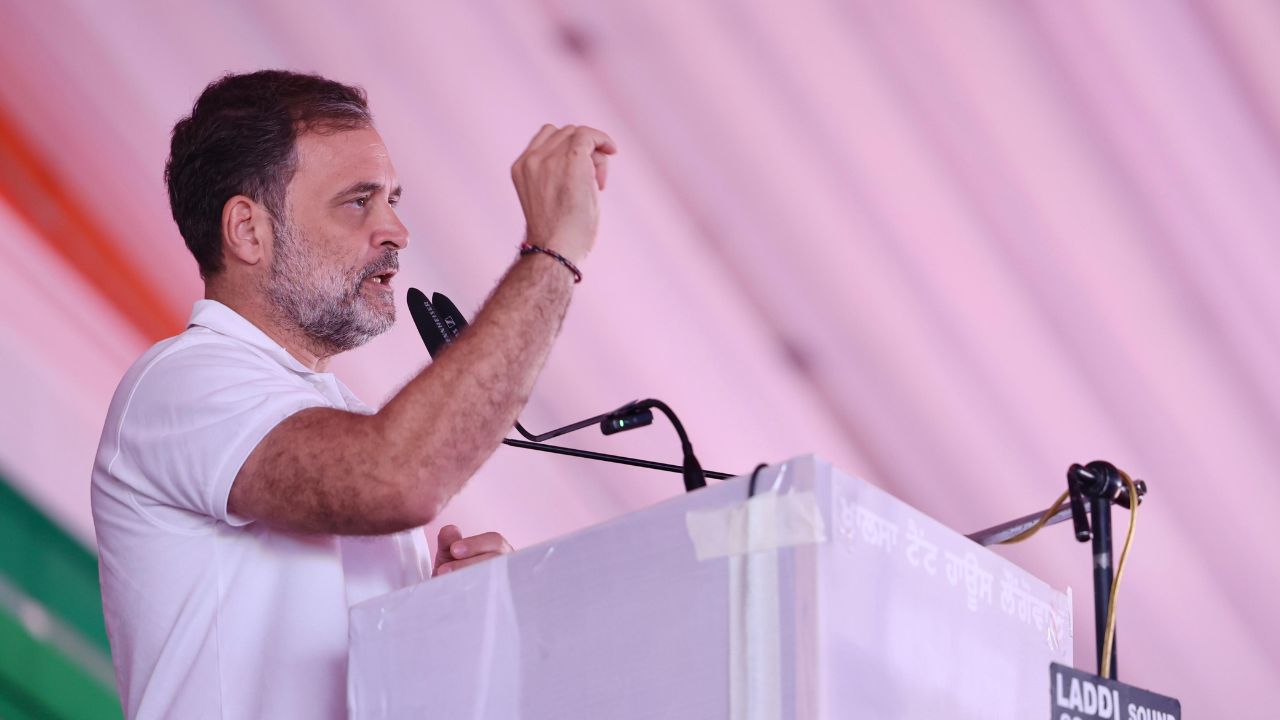
Rahul Gandhi targets Bhagwant Mann's government over Punjab's drug crisis and deteriorating law-and-order situation. (Img: X)
Congress leader and Punjab in-charge Sachin Pilot described the Sangrur gathering as the beginning of a new phase of political mobilisation and hope for the state. Welcoming Rahul Gandhi and Mallikarjun Kharge, Pilot emphasised the party's commitment to raising issues concerning justice, governance and the welfare of Punjab's residents.
He had earlier indicated that the November 4 event would mark the launch of the Congress's intensified campaign against the AAP government. The rally was presented as an opportunity to bring the state's political and administrative concerns into sharper public focus.
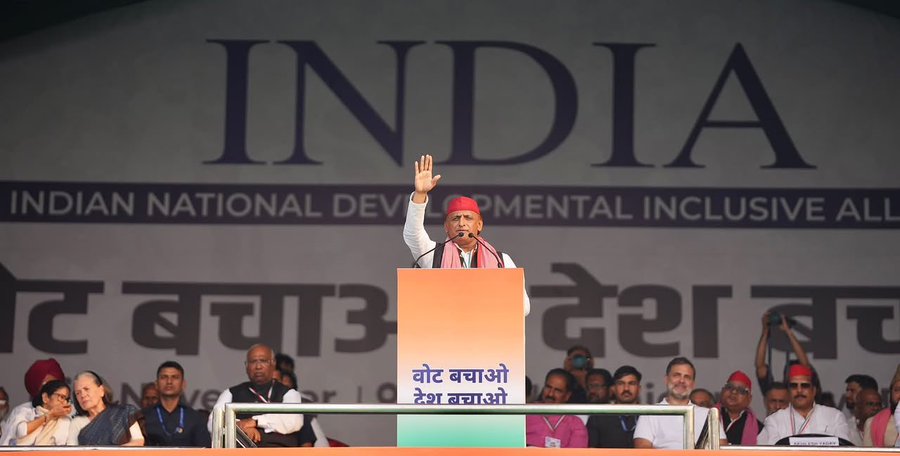
The Sangrur Insaaf Rally brought together senior Congress leaders at a time when the party is seeking to rebuild its political strength and challenge the AAP government's position ahead of the 2027 Punjab Assembly elections.
The AAP secured a decisive mandate in the 2022 elections, winning 92 of Punjab's 117 Assembly seats. Congress finished second with 18 seats, while the upcoming contest is expected to involve a major political battle between AAP, Congress and the Bharatiya Janata Party.
With drugs, gangsterism, unemployment, farmers' welfare, corruption, public safety and administrative accountability emerging as central campaign issues, Congress is attempting to turn public dissatisfaction into electoral momentum.
The Sangrur rally also demonstrated the party's strategy of combining criticism of the state government with attacks on the BJP-led Centre, particularly over national security, foreign policy and anti-drug enforcement.
By bringing Sidhu Moosewala's murder, the drug crisis, agricultural distress and questions about governance into a single political narrative, Congress has sought to establish its campaign agenda well ahead of the 2027 Assembly elections.
The gathering therefore represents an important stage in Punjab's emerging electoral contest, with the Congress leadership seeking to consolidate its organisation, mobilise grassroots workers and present itself as an alternative to the incumbent AAP government.