English
 English

Rahul Gandhi leads the INDIA bloc's march towards the Supreme Court amid the escalating SIR controversy. (Img: X)
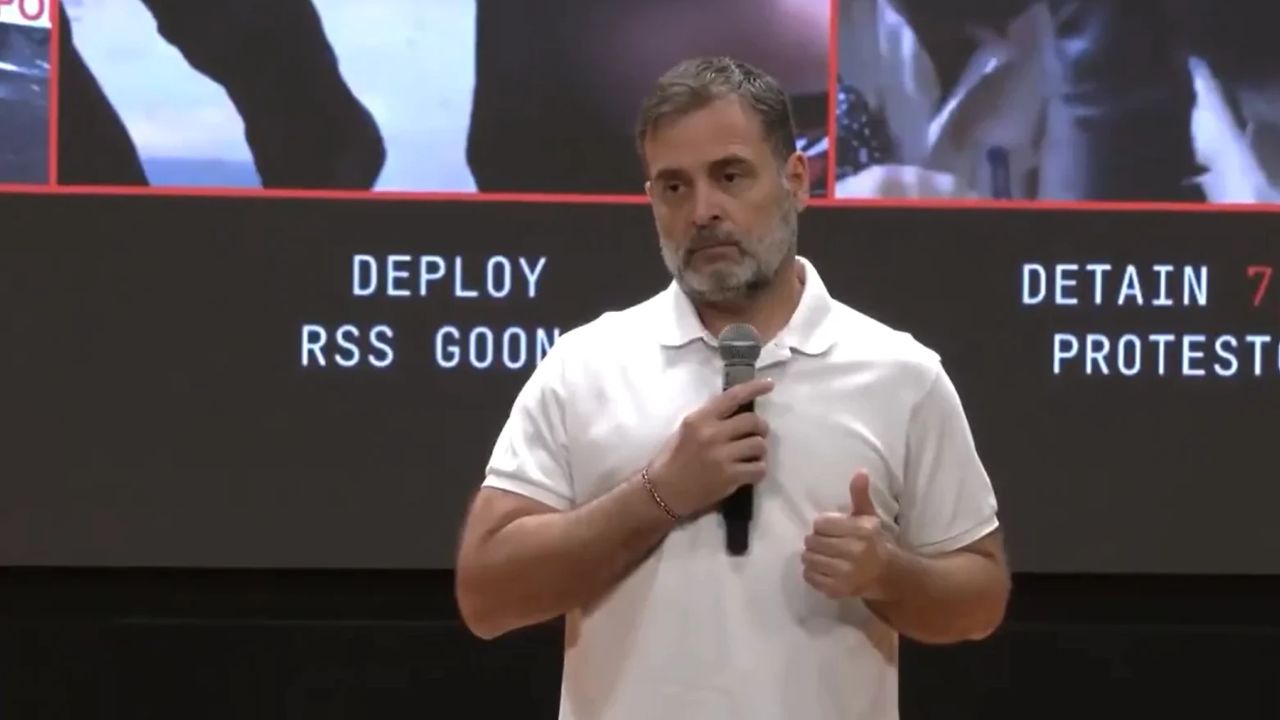
New Delhi: Leader of the Opposition in the Lok Sabha Rahul Gandhi led the INDIA bloc's march towards the Supreme Court on Monday, as opposition leaders sought judicial intervention over allegations of vote manipulation and concerns surrounding the Election Commission of India (ECI).
The Supreme Court administration has reportedly agreed to allow a limited delegation of approximately 5-10 leaders, accompanied by lawyers, to reach the filing counter within the court complex. The counter is located outside the high-security zone and is accessible without special entry passes. Other reports put the proposed Congress delegation at around 10 to 15 people, with approximately eight MPs expected to join a joint petition.
The move marks a shift from street demonstrations to a formal legal challenge. However, permission to access the filing counter does not mean the petition has been admitted, the allegations have been established or any interim relief has been granted.
Rahul Gandhi had announced plans to approach the Supreme Court over what the opposition describes as vote theft, calling for greater accountability in electoral administration. The march was organised to raise concerns about the SIR exercise, the accuracy of voter lists and the functioning of the poll panel.
The opposition has argued that the revision of electoral rolls requires close scrutiny to ensure that eligible voters are not wrongfully excluded and that electoral records remain accurate. Its demands include a pause in the SIR exercise, an early hearing of pending cases and an examination of the process used to recommend appointments to the Election Commission.
The INDIA bloc has also demanded the resignation of Chief Election Commissioner Gyanesh Kumar, alleging that the poll panel has failed to address its concerns adequately. These remain political allegations and demands, with their legal merits yet to be determined through the relevant proceedings.
The march has placed the Election Commission's constitutional responsibilities and the mechanisms available to challenge electoral decisions at the centre of the political debate.
Rahul Gandhi and Rajya Sabha Leader of the Opposition Mallikarjun Kharge had earlier sought a meeting with Chief Justice of India Justice Surya Kant to present their concerns about alleged electoral irregularities.
The CJI declined the request, explaining that the issues raised by the opposition were already pending before the Supreme Court. He indicated that the leaders should approach the court through a formal petition rather than seek a separate meeting to discuss matters under judicial consideration.
Speaking to reporters after an event marking the National Human Rights Commission's 33rd Foundation Day, Justice Surya Kant reiterated that every Indian citizen, including elected representatives, could approach the Supreme Court for legal relief. He said petitions would be considered in accordance with the law.
The distinction is significant: a meeting request is separate from the formal judicial process, which requires a petition to be filed and processed through the registry. The filing itself does not guarantee an immediate hearing or a favourable order.
Reports indicated that the CJI's Bench had risen for the day by the afternoon, leaving any subsequent judicial consideration dependent on the applicable filing and listing procedures.
The proposed legal action centres on several related issues, including alleged irregularities in the SIR process, the functioning of the Election Commission and police action against demonstrators demanding Gyanesh Kumar's resignation.
Opposition leaders are seeking scrutiny of the electoral roll revision exercise and an early hearing of pending SIR-related cases. They have also raised questions about the committee responsible for recommending appointments to the Election Commission.
A separate or additional legal challenge concerning the handling of protests was also being considered, according to reports. This could bring questions about public order, police powers and the right to peaceful assembly into the wider legal dispute.
Any eventual judicial determination will depend on the specific grounds raised in the petitions, the evidence submitted and the court's assessment of the applicable constitutional and statutory provisions.
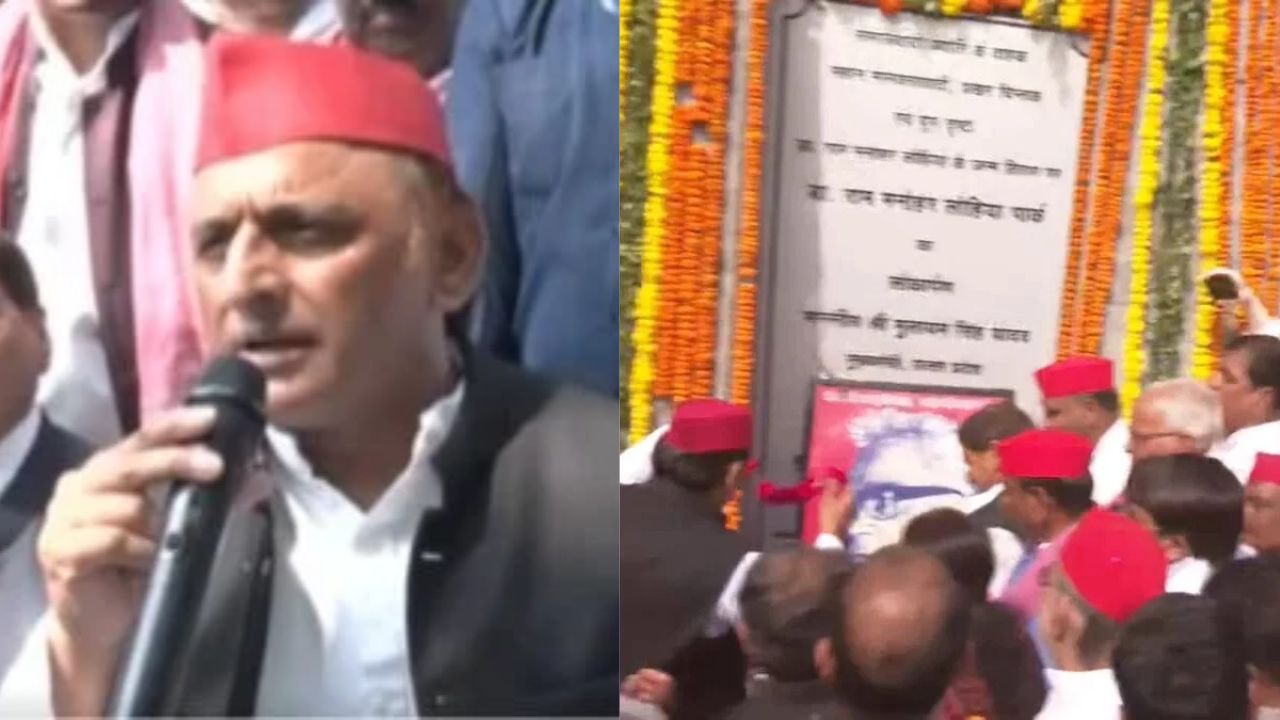
The INDIA bloc's mobilisation has drawn attention because it brings together leaders from several opposition parties around a common demand for electoral transparency. Samajwadi Party president Akhilesh Yadav, Trinamool Congress chief Mamata Banerjee and Rashtriya Janata Dal leader Tejashwi Yadav were among the leaders expected to participate in or support the campaign, according to reports.
Rahul Gandhi also criticised the Centre over the crackdown on Cockroach Janta Party protesters, arguing that the opposition would pursue its campaign through peaceful mobilisation and legal remedies. He framed the march as a demonstration in support of democracy, justice and constitutional rights.
The participation of leaders from different parties highlights the political significance of the SIR controversy, particularly as opposition groups seek to turn their allegations into a formal legal challenge.
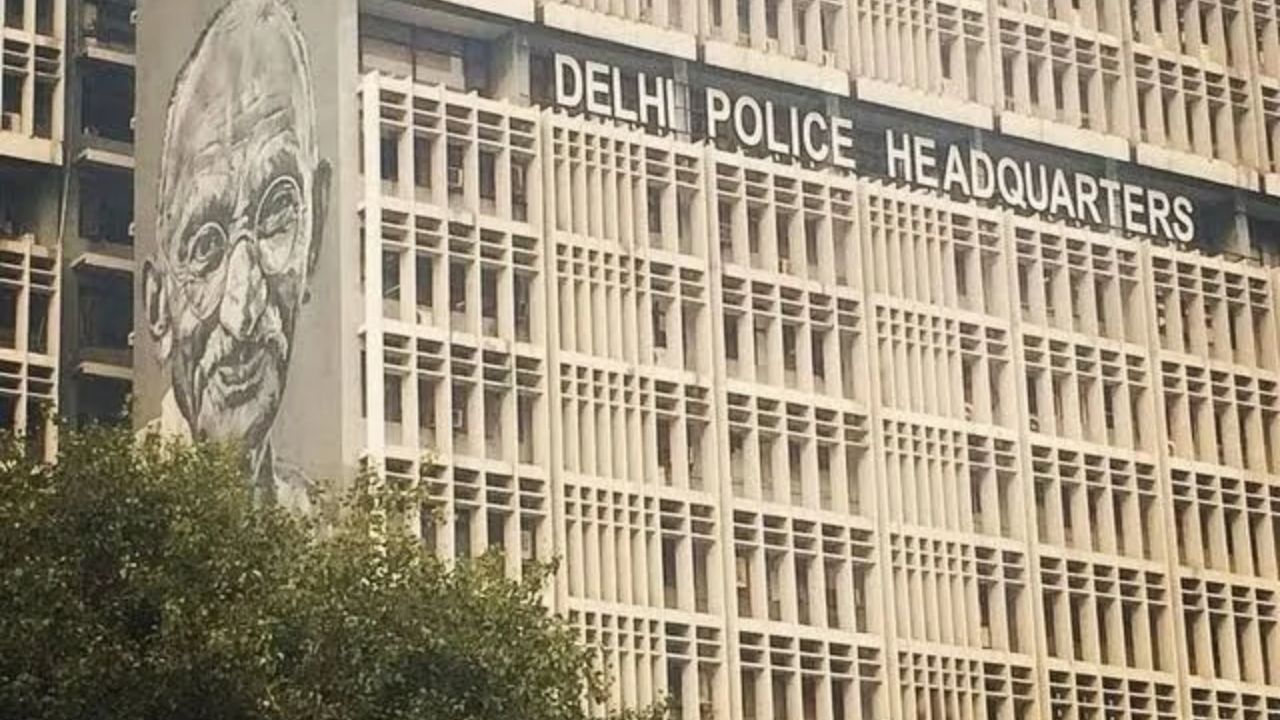
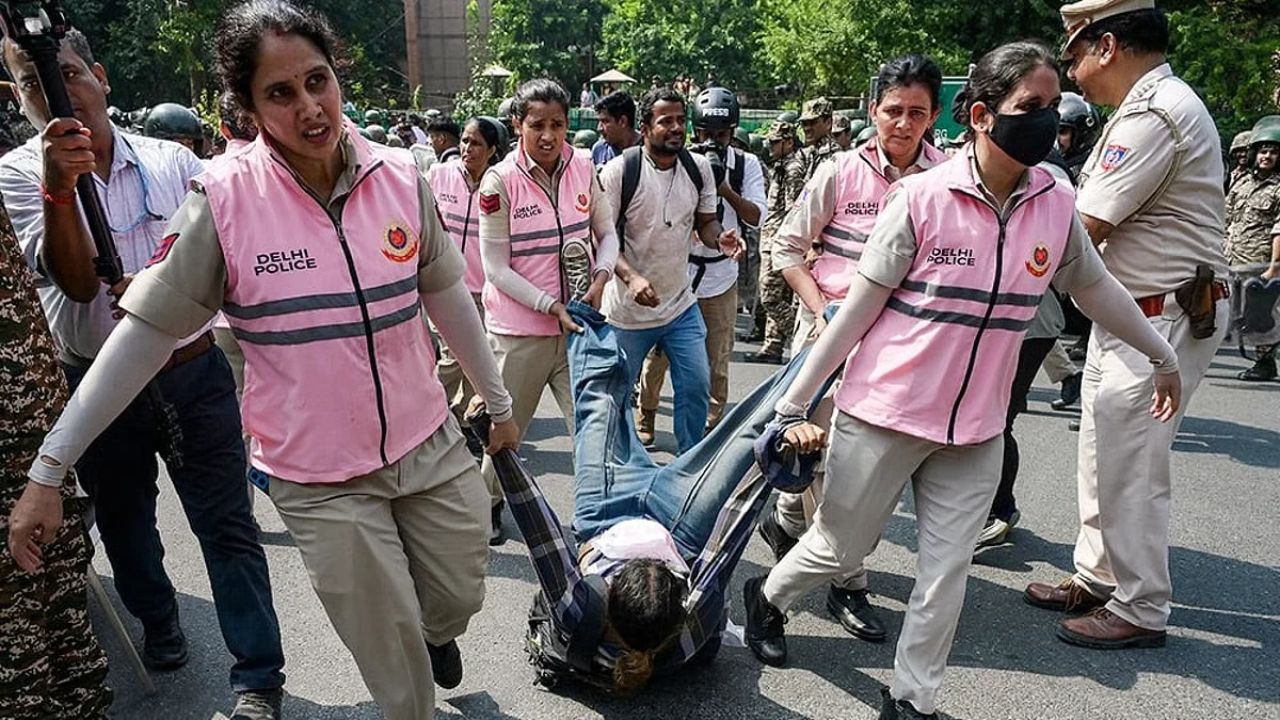
The Supreme Court march followed a major security operation in Delhi on October 10, when police prevented protesters from reaching Jantar Mantar for a planned demonstration demanding Gyanesh Kumar's resignation.
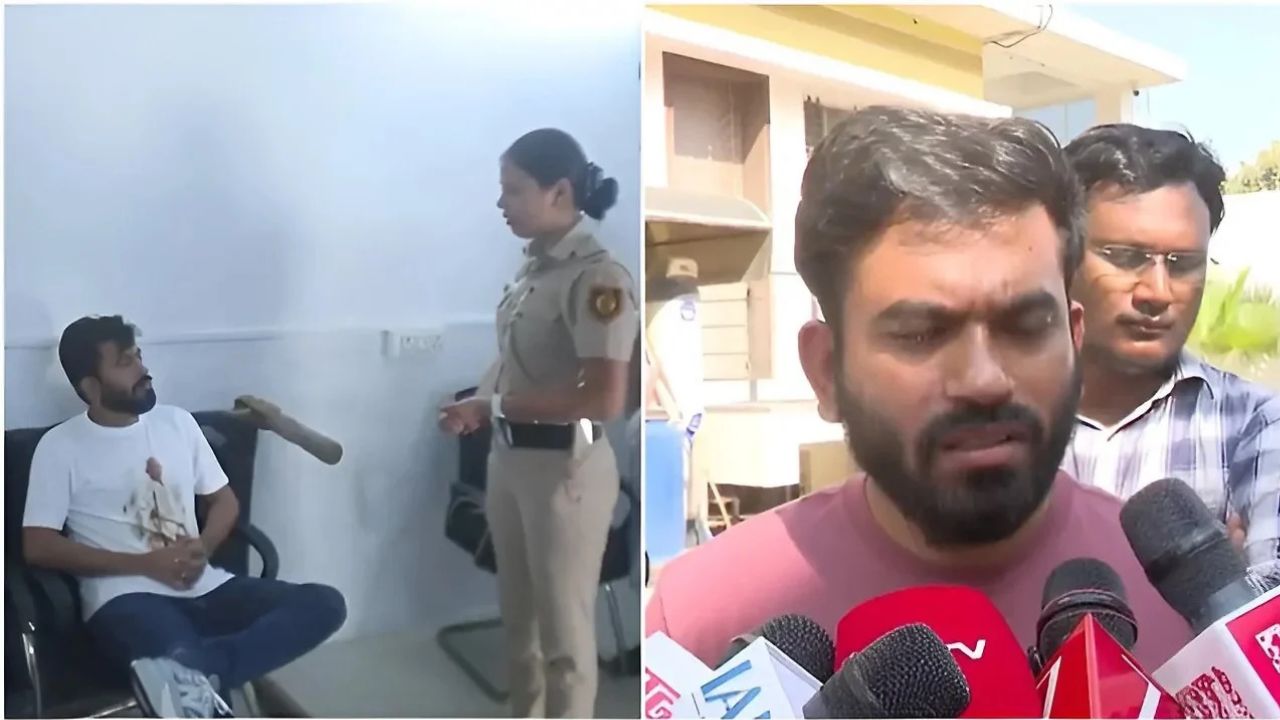
The protest was organised by the Cockroach Janta Party, with support from student groups and opposition activists, over alleged irregularities in the SIR exercise. More than 7,000 people were reportedly detained during the operation, including CJP leader Abhijeet Dipke and several former chief ministers. Reports said the named political leaders were subsequently released.
Security arrangements included extensive barricading across central Delhi and a large deployment of personnel. Published accounts cited deployments exceeding 25,000, with some reports putting the figure above 30,000.
The operation prevented demonstrators from assembling at Jantar Mantar and resulted in detentions at multiple locations. The following day, more than 200 protesters were reportedly detained while attempting to march towards the site, with detentions continuing into the evening.
Opposition leaders have criticised the police action, arguing that security restrictions should not prevent citizens from raising concerns about electoral administration. Authorities, meanwhile, maintained heightened security amid the possibility of further demonstrations.
Security was tightened again on Monday as the INDIA bloc march moved towards the Supreme Court. Police maintained a strong presence at key intersections and sensitive locations, while a traffic advisory urged commuters to avoid non-essential travel through affected areas and cooperate with officials.
The Delhi Metro Rail Corporation reported temporary entry and exit restrictions at six stations: Patel Chowk, Janpath, Rajiv Chowk, Mandi House, Central Secretariat and Barakhamba Road. The gates were reported closed until 4 pm on Monday.
The restrictions affected some of central Delhi's busiest transport hubs, requiring commuters to consider alternative routes. The arrangements were intended to regulate movement and prevent unauthorised gatherings during the protest.
The episode has highlighted how political demonstrations can affect everyday mobility in the capital, bringing traffic management, public access and security arrangements into the wider controversy.
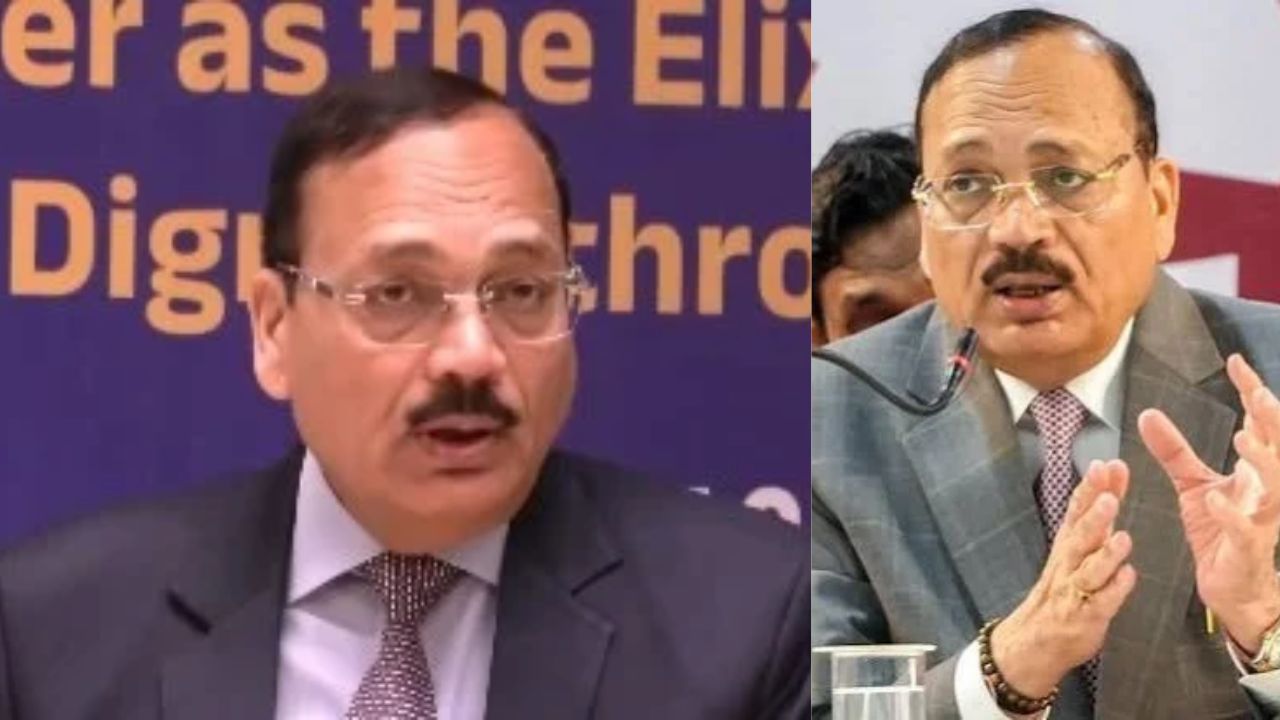
The demand for Gyanesh Kumar's resignation stems from opposition criticism of the Election Commission's Special Intensive Revision of electoral rolls. The controversy intensified following reports that Election Commissioners Sukhbir Singh Sandhu and Vivek Joshi had raised objections on at least 14 occasions over a period of 10 months regarding certain decisions and orders. Some of the reported objections concerned decisions that they allegedly said had been issued without their knowledge.
The Election Commission, however, has maintained that the three-member poll panel took decisions, including those relating to the SIR exercise, unanimously. The reported disagreements have added to questions about internal decision-making and institutional transparency. Opposition parties have argued that the revision process requires closer examination to ensure that eligible voters are not excluded and that voter records remain accurate.
However, reports of internal objections and political allegations do not establish wrongdoing by themselves. Any finding of procedural or legal violations would depend on evidence examined by the competent authorities or courts.