 English
 English

Supreme Court quashes all FIRs across the country over student protests
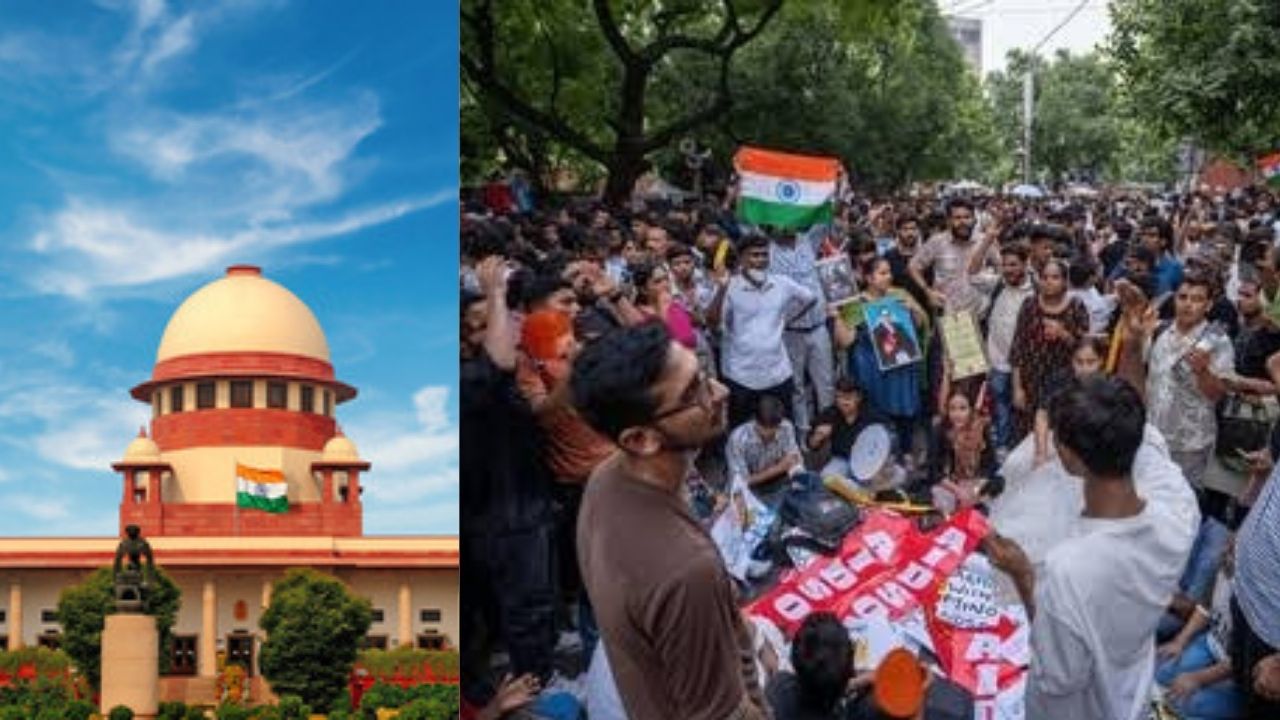
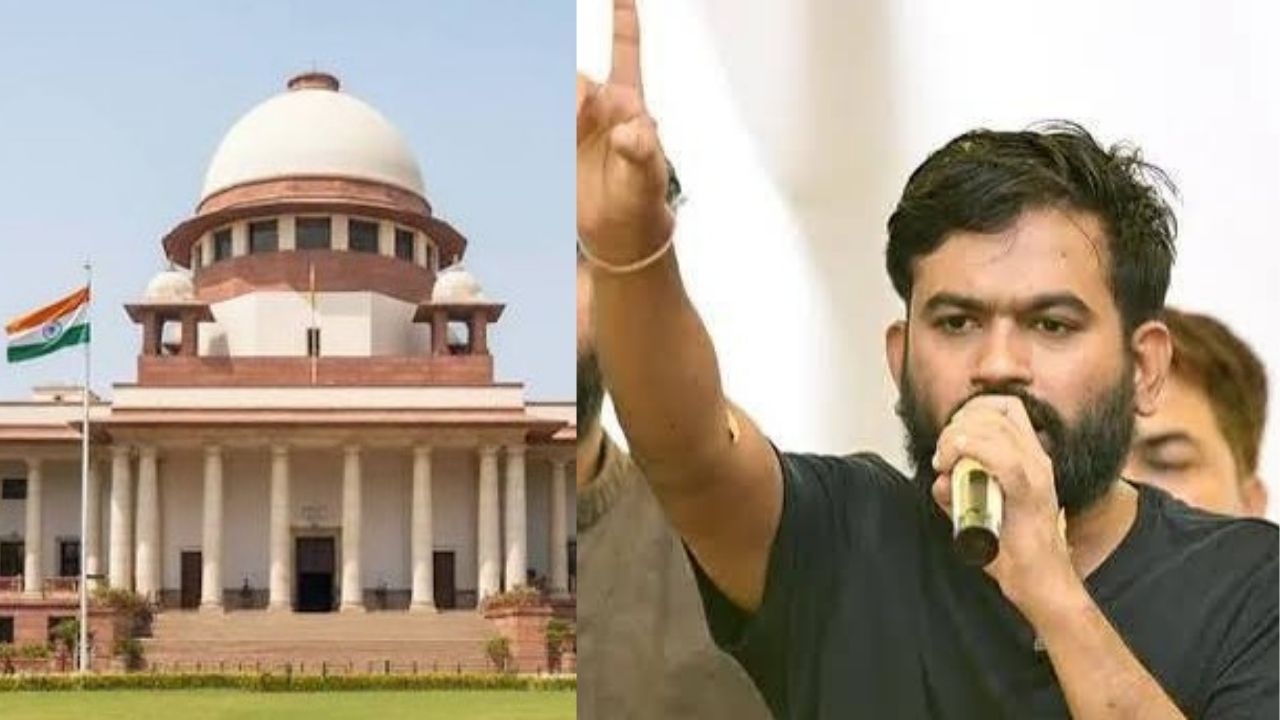
New Delhi: In a major development following the NEET protest controversy, the Supreme Court on Tuesday cancelled FIRs registered against student protesters during demonstrations held between July 20 and July 25 at Jantar Mantar in the national capital. The decision came shortly after the Cockroach Janata Party (CJP) called off its proposed September 5 protest march, bringing a significant turn in the ongoing legal battle.
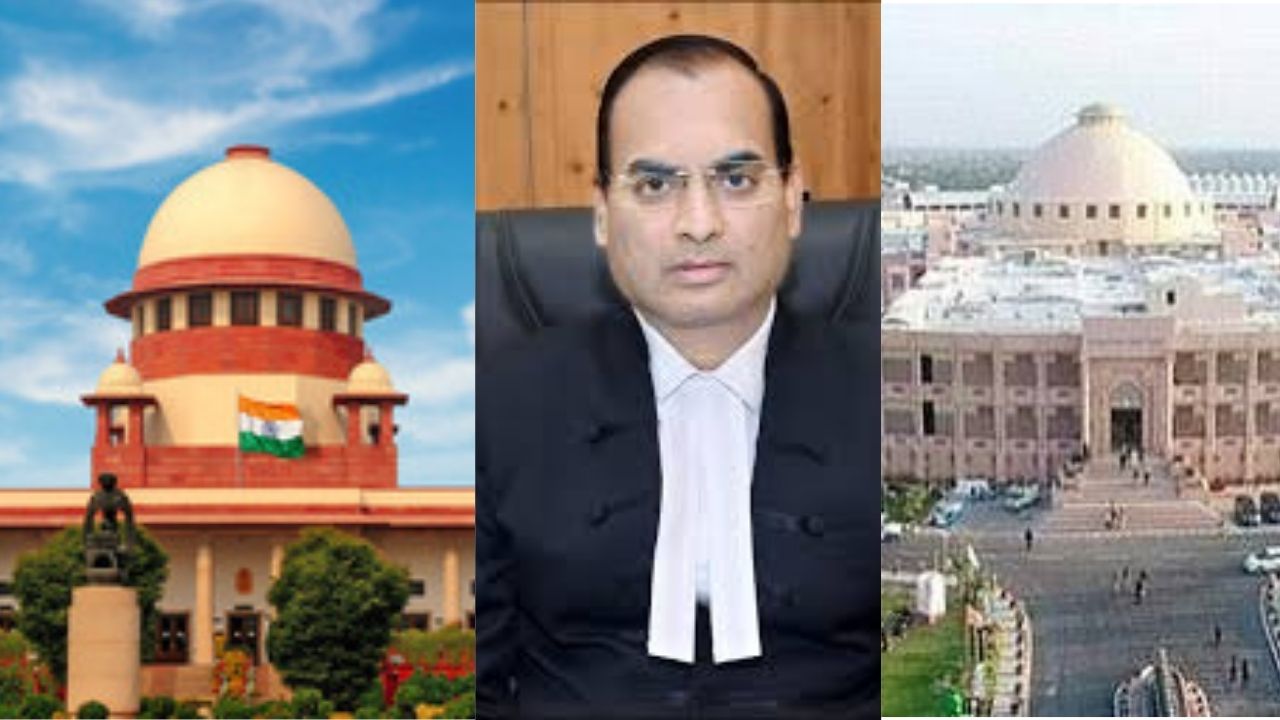
The Bench of Chief Justice of India (CJI) Surya Kant, Justice Joymalya Bagchi and Justice V Mohana invoked its special constitutional powers under Article 142 to provide relief to protesters facing criminal cases linked to the demonstrations.
The matter reached the apex court after the Centre approached it seeking the withdrawal of FIRs registered by Delhi Police against protesters. The court’s intervention provided relief to several students and activists who were facing legal proceedings after participating in demonstrations connected with the NEET-UG controversy.
The FIRs cancelled by the Supreme Court were registered during protests held between July 20 and July 25. These cases were related to demonstrations organised over issues raised by students regarding alleged irregularities and concerns surrounding the NEET-UG examination process.
During the hearing, the Supreme Court took note of the submissions made by Solicitor General Tushar Mehta regarding the closure of FIRs connected with the protest period.
The court recorded that no fresh FIRs would be registered in connection with incidents related to July 20-25 unless they involved separate serious criminal offences.
The order is expected to bring significant relief to students who feared that criminal cases could impact their education, careers and future opportunities.
A key feature of the Supreme Court’s decision was the use of Article 142 of the Indian Constitution. Article 142 gives the Supreme Court special authority to pass orders necessary to ensure complete justice in any matter before it. The provision allows the court to create solutions in complex situations where existing legal procedures may not provide immediate relief.
Over the years, the Supreme Court has used Article 142 in several landmark cases involving public interest, individual rights and institutional disputes.
In the CJP protest FIR matter, the court used this constitutional power to provide relief to protesters while ensuring that serious criminal allegations remained outside the scope of automatic protection.
While cancelling FIRs against student protesters, the Supreme Court maintained a clear distinction between peaceful demonstrators and individuals accused of serious criminal activities. The Bench directed Delhi Police to continue proceedings against 2,873 people with serious criminal antecedents.
Along with quashing FIRs, the Apex Court issued another important direction related to NEET-UG students who died by suicide. The Centre was asked to provide compensation to the affected families within three months, taking in view the mental pressure faced by students preparing for competitive examinations and the concerns raised over examination-related disputes.
For families of affected students, the compensation order is being viewed as recognition of the emotional and personal losses connected with the controversy.
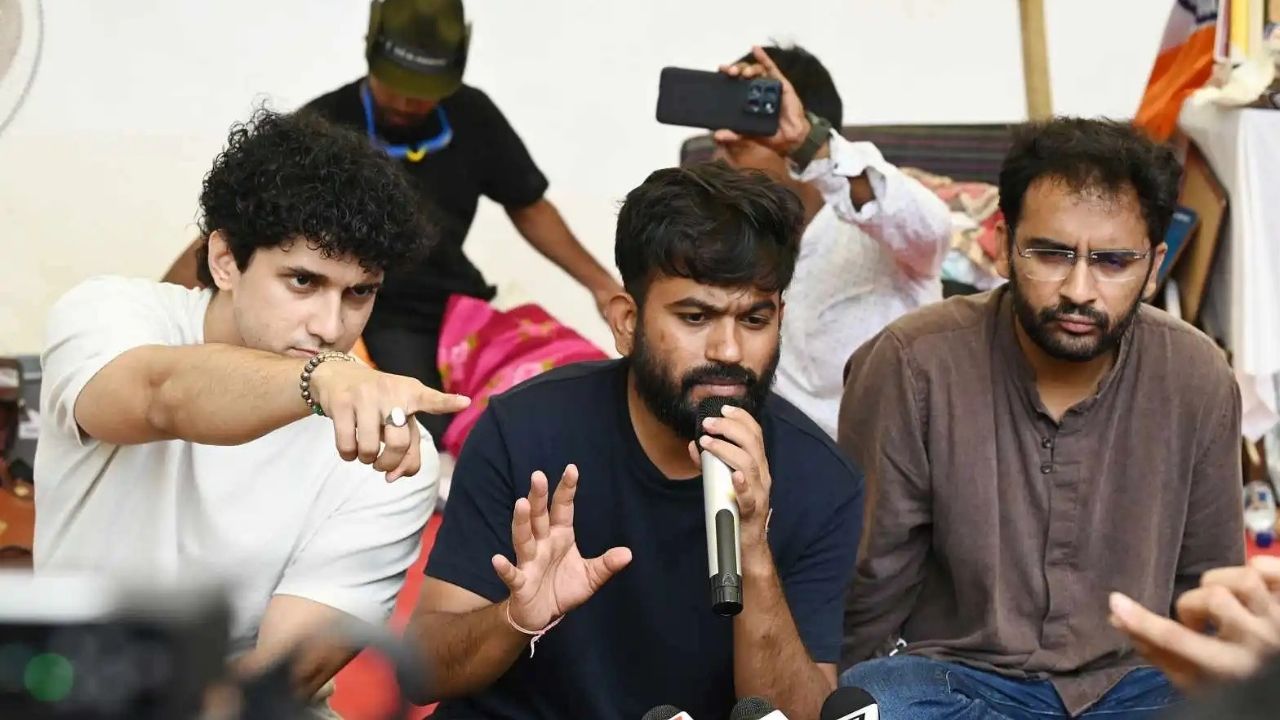
The Supreme Court’s decision came after the CJP withdrew its planned September 5 march. The organisation had announced the protest over several issues, including FIRs against students, accountability in the NEET controversy and demands for action regarding student concerns.
The proposed march had attracted significant attention as authorities remained engaged over the legal issues surrounding the demonstrations. Following developments involving the government and the Supreme Court, the protest organisers decided to call off the planned demonstration.
The Union government played an important role in bringing the matter before the Supreme Court. The Centre approached the apex court seeking relief for protesters facing FIRs registered by Delhi Police during the demonstrations.
The move was aimed at resolving cases arising from the protests while ensuring that genuine criminal matters continued through the legal process. The development highlights the role of constitutional institutions in handling disputes involving student movements, public demonstrations and administrative decisions.
The FIR issue was part of a larger debate surrounding the NEET-UG examination controversy and demands for greater transparency in competitive examinations. Students and families had raised concerns over examination systems, fairness and accountability mechanisms.
The Supreme Court’s latest intervention has shifted the focus towards addressing legal consequences faced by protesters while keeping attention on broader reforms needed in the examination process.