English
 English

Supreme Court quashes all FIRs across the country over student protests
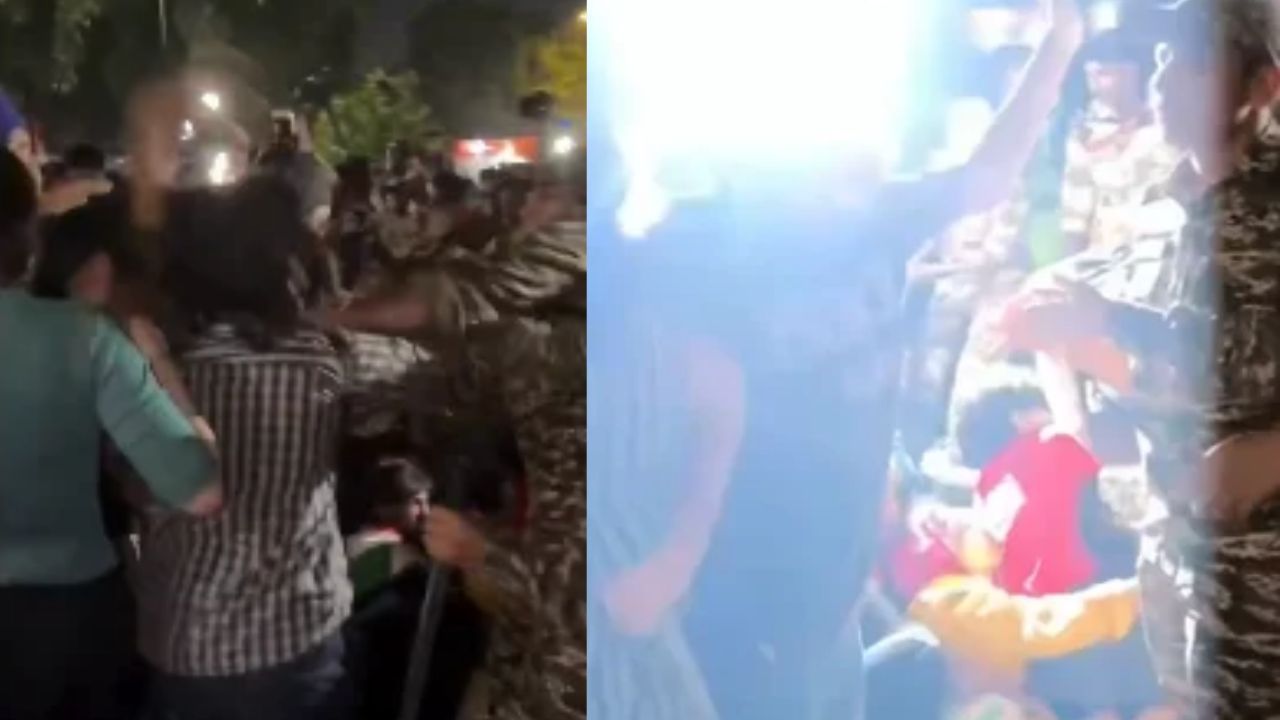
New Delhi: The Supreme Court on Tuesday ordered that FIRs registered across India in connection with student protests held between July 20 and July 25 will not be pursued, investigated or treated as pending legal proceedings. The court directed that such cases must be considered closed for all purposes.
The order came after the Cockroach Janata Party (CJP) withdrew its planned September 5 protest march in Delhi following assurances from the Centre regarding withdrawal of cases and a compensation mechanism for families of students who died by suicide after the NEET-UG 2026 controversy.
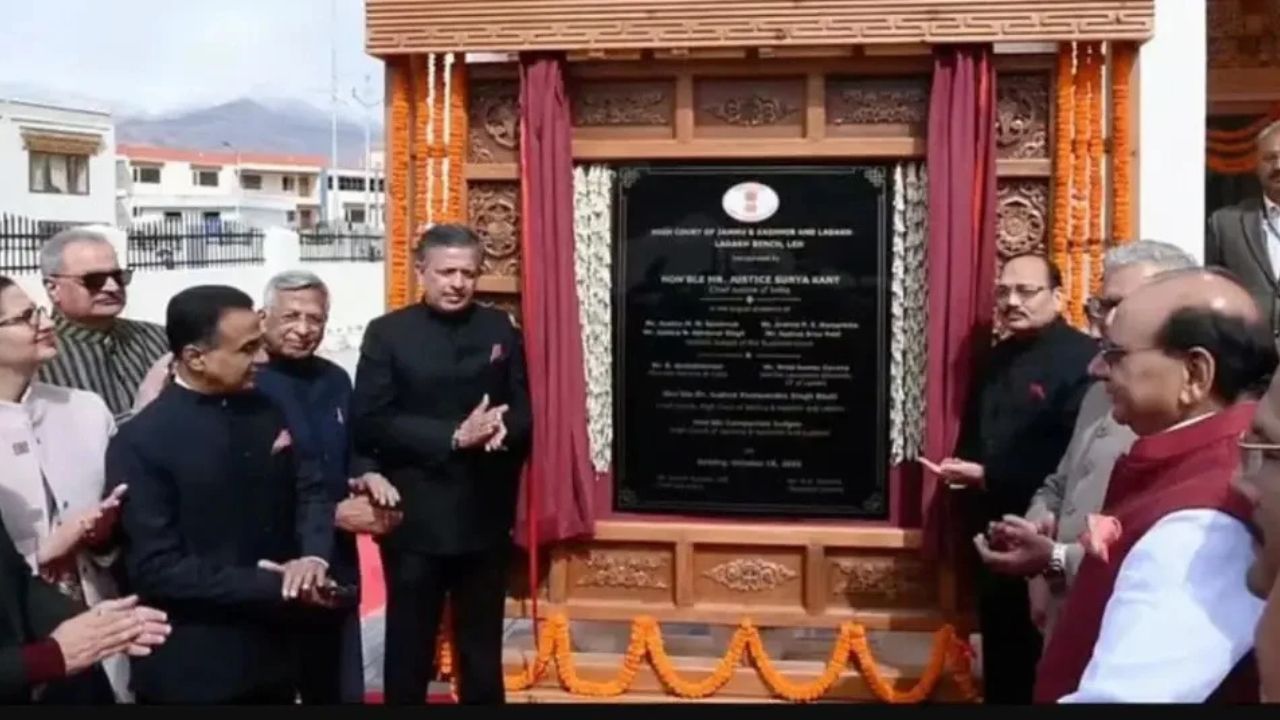
In a significant judicial intervention, the three-judge Bench led by Chief Justice of India (CJI) Surya Kant, along with Justice Joymalya Bagchi and Justice V Mohana, exercised the Supreme Court’s extraordinary powers under Article 142 of the Constitution to ensure complete justice. The court directed the closure of FIRs filed against student protesters over the July 20-25 demonstrations while safeguarding the future of genuine student participants.
The Supreme Court said the decision was taken keeping in mind the future prospects of young protesters who participated in demonstrations in good faith.
The verdict has a nationwide impact, extending beyond the states that formally approached the court. FIRs registered by Delhi Police and authorities in Bihar, West Bengal, Maharashtra and Assam were specifically challenged before the court. However, the Bench expanded the benefit of its order across all states and Union Territories.
The court directed that any FIR related to the July 20-25 protest incidents registered anywhere in the country, even if not specifically placed before the court, should not be pursued or investigated and must be treated as closed.
The Bench also made it clear that no fresh FIR can be registered by any state or Union Territory regarding the same protest incidents. The move provides relief to students who feared that participation in demonstrations could create long-term legal hurdles in their education, careers and personal lives.
The key feature of the order was the Supreme Court’s decision to invoke Article 142 of the Constitution. This provision gives the apex court special authority to pass orders required to deliver complete justice in exceptional situations.
The Bench clarified that the decision was based on the unique facts and circumstances surrounding the student protests and should not be treated as a legal precedent for future cases.
The court stepped in after being informed that withdrawing FIRs through the normal legal process involved complications. Once an FIR is registered, it generally requires investigation and a closure report before a magistrate. Using its constitutional powers, the Supreme Court created a direct path to resolve the issue while protecting genuine student protesters.
While providing relief to students, the Supreme Court maintained a clear distinction between peaceful protesters and individuals accused of serious offences. CJI Surya Kant observed that the court’s order was intended to act as a "healing balm" for the main body of protesters while preserving the state’s authority to proceed against those allegedly involved in criminal activities.
The court allowed Delhi Police to continue proceedings against 2,873 individuals who were present during the Jantar Mantar protests and have serious criminal antecedents. The exception applies to individuals linked with allegations involving serious offences, including crimes related to physical harm and destruction of property.
The Bench clarified that merely being part of a protest cannot become the basis for criminal prosecution, while those accused of genuine criminal acts would remain within the legal process.
During the hearings, the Supreme Court also examined concerns regarding police action during the protests. The court observed that the existence of a protest does not automatically justify excessive force or unlawful action by authorities.
The Bench emphasised that maintaining law and order must remain within constitutional boundaries and that peaceful demonstrations cannot be treated as criminal activity, highlighting the balance between public order and democratic rights.
Along with the FIR issue, the Supreme Court addressed the emotional and human tragedy linked to the NEET-UG controversy. Solicitor General Tushar Mehta informed the court that the government would formulate a nationwide policy for providing compensation to families of students who died by suicide in connection with academic issues, including the NEET-UG 2026 controversy.
The Centre sought three months to prepare the framework and finalise the implementation process. The apex court directed the government to formulate the policy within three months and circulate it among state governments and concerned authorities.
The compensation will be provided to eligible families after the policy framework is finalised. The direction has brought renewed attention to student mental health, examination pressure and the need for stronger support systems for young aspirants.
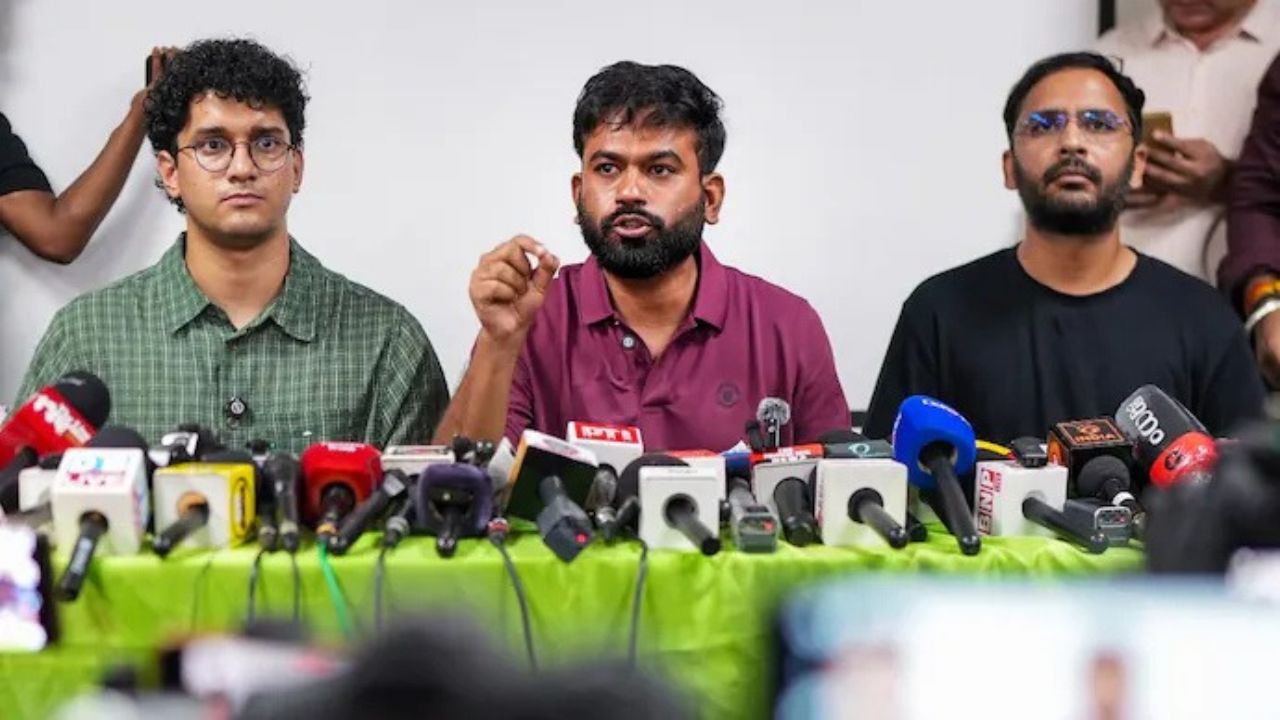
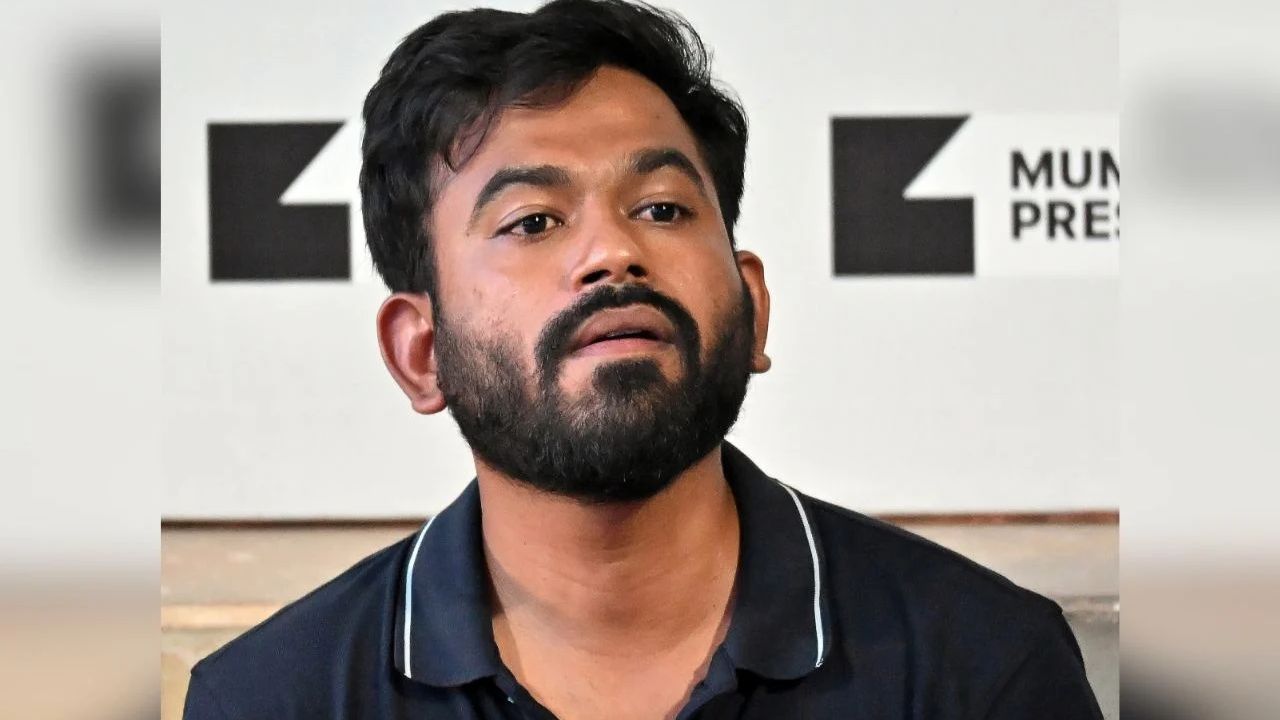
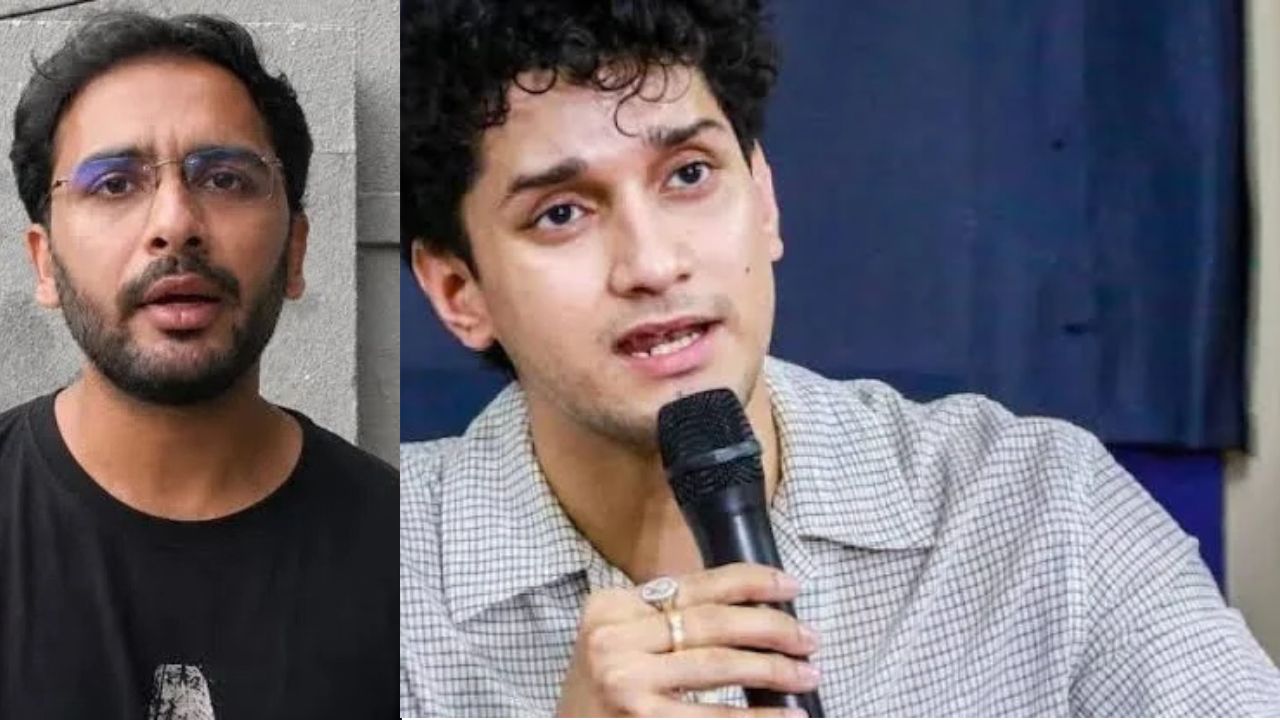
The Supreme Court order also brought an end to the proposed September 5 protest march announced by the CJP. Saurav Das, CJP Co-Convener who was present during the hearing, informed the Bench that the organisation had decided to withdraw the planned demonstration.
The decision followed assurances from the Centre that FIRs against eligible protesters would not be pursued and that no fresh cases would be registered over the July 20-25 incidents.
The CJP said that it would now focus on ensuring that the commitments made before the Supreme Court are implemented. The court appreciated the decision and encouraged both sides to continue dialogue to resolve remaining issues.
The Centre had approached the Supreme Court seeking relief for protesters facing FIRs registered by Delhi Police and other states. Solicitor General Tushar Mehta informed the Bench that the move followed assurances given earlier to CJP representatives that cases against genuine protesters would be withdrawn.