 English
 English

UN chief Antonio Guterres supports India’s push for Security Council reforms at BRICS Summit. (Img: IANS)
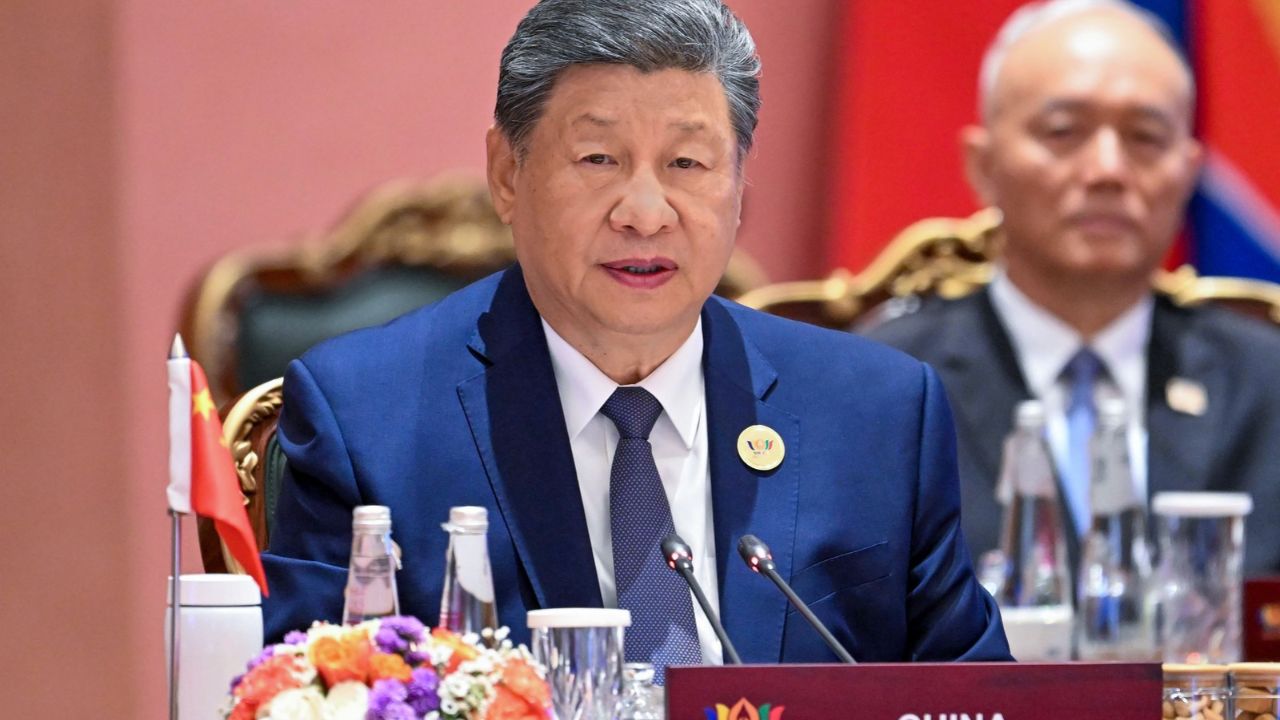
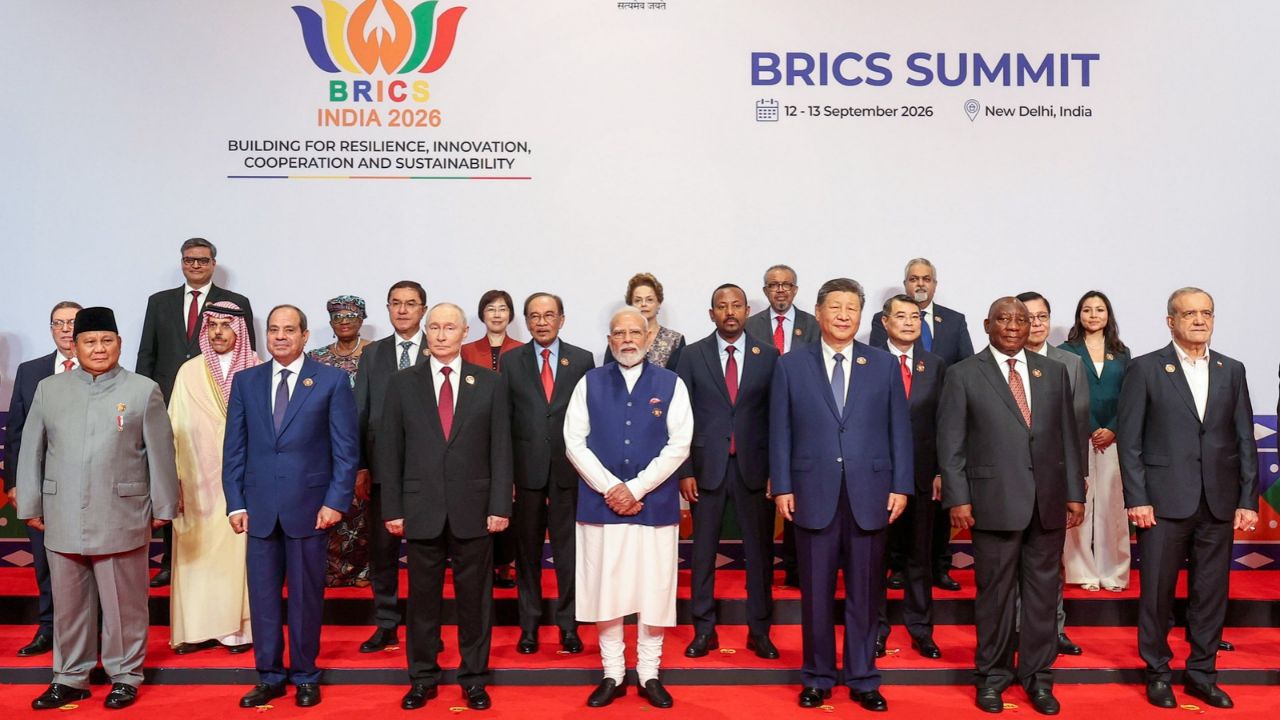
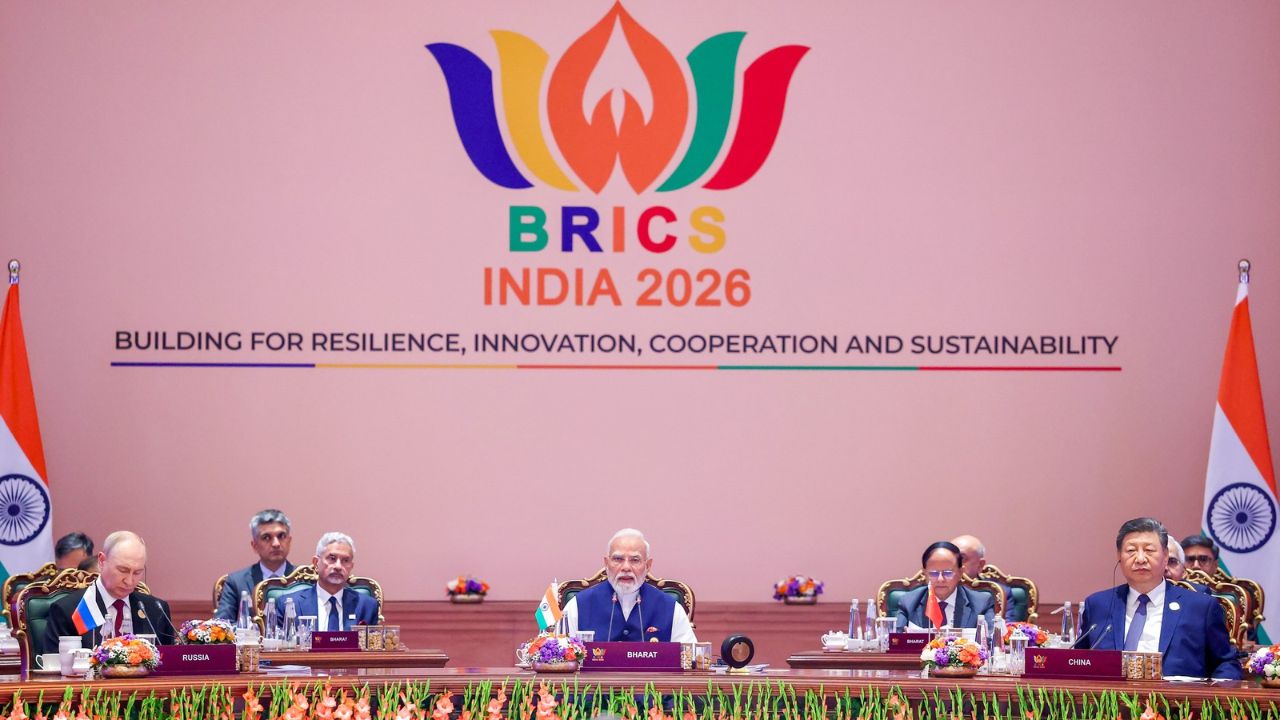
New Delhi: United Nations Secretary General Antonio Guterres on Sunday supported calls for expanding the UN Security Council, saying global institutions must reflect the economic, demographic and geopolitical realities of today. Addressing the BRICS Summit in New Delhi, Guterres highlighted that the current international system was created in a different era and needs reforms to match the changing balance of global power.
His remarks came as BRICS nations continue to push for stronger representation of developing countries in major international institutions. The UN chief also recognised India’s leading role in demanding reforms and greater participation for the Global South in global decision making.
India has been campaigning for a permanent seat at the United Nations Security Council for several years, arguing that the current structure does not represent the realities of the modern world. New Delhi has maintained that countries with large populations, growing economies and significant contributions to global peace and development must have a stronger voice in international institutions.
The UN Security Council currently has five permanent members, including China, France, Russia, the United Kingdom and the United States, who hold veto powers. India believes an expanded council with greater representation from developing nations would make global governance more democratic, inclusive and effective.
Prime Minister Narendra Modi has repeatedly called for a stronger role for developing nations in global affairs. At the BRICS Summit, India highlighted the need for the Global South to move from being only participants in international systems to becoming active contributors in creating global policies.
The message reflects India’s broader diplomatic approach of supporting a multipolar world where emerging economies have a greater influence on decisions related to security, trade, technology and sustainable development.
The discussion on UNSC reform has become one of the major themes at the BRICS Summit as member countries seek changes in global governance structures. BRICS nations have increasingly positioned themselves as a platform representing emerging economies and the interests of the Global South.
The grouping has been raising issues related to economic inequality, international financial systems, technology access and the need for reforms in institutions created decades ago. The debate highlights a wider global power shift as countries outside the traditional Western alliance seek greater influence.
Guterres stressed that international organisations must adapt to new global realities. The UN chief pointed towards major changes in economic power, population trends and geopolitical influence since the creation of existing institutions.
Experts believe the demand for reforms has become stronger due to new challenges including artificial intelligence, climate change, international conflicts, food security and global economic instability. The discussion is focused on whether institutions formed nearly eight decades ago can effectively address 21st century challenges.
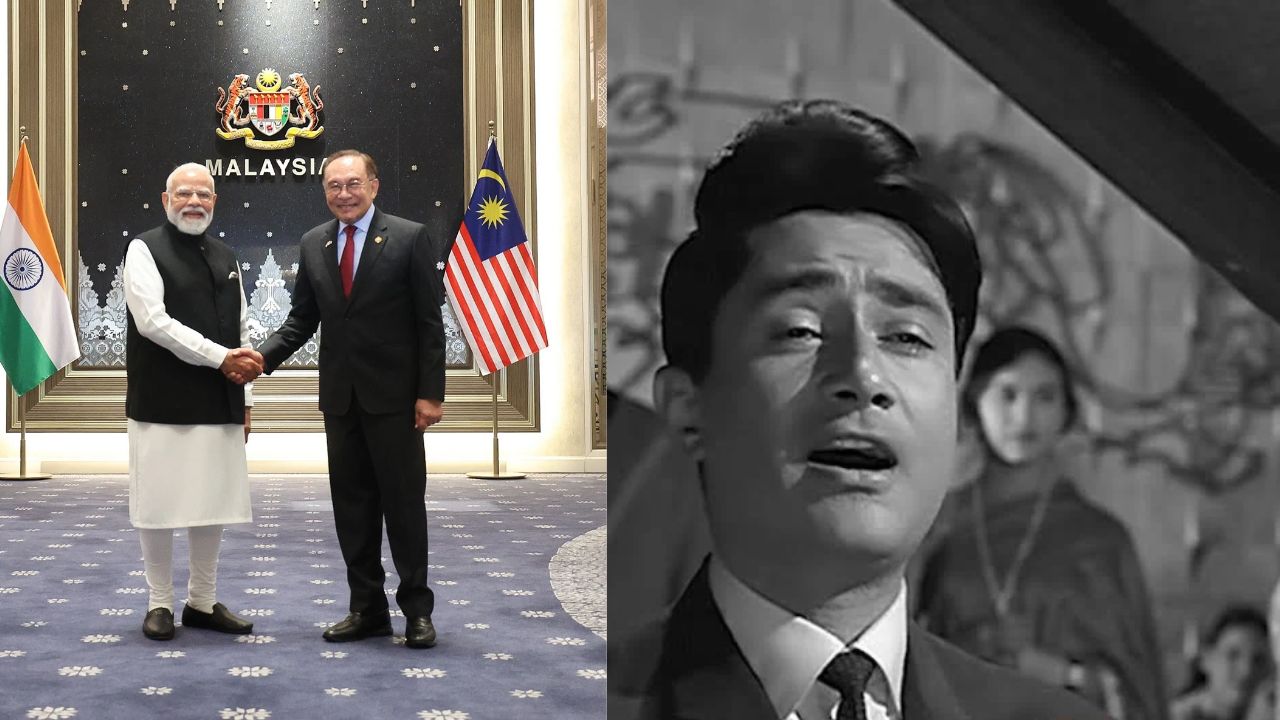
Prime Minister Narendra Modi and Antonio Guterres also discussed several international issues during their meeting on the sidelines of the BRICS Summit.
The talks covered global conflicts, freedom of navigation, sustainable development, renewable energy, human centric artificial intelligence and global food security. Both leaders underlined the importance of strengthening multilateral institutions and ensuring that global decision making reflects present day realities.
The demand for United Nations Security Council expansion has gained support from several developing countries across Asia, Africa and Latin America. Supporters argue that the current arrangement gives excessive influence to a limited group of nations while excluding many countries that represent a large share of the world’s population.
A reformed Security Council could impact decisions on international peace, conflicts, sanctions, humanitarian crises and global security challenges. However, changing the structure remains difficult due to disagreements over permanent membership, veto powers and representation formulas.
The support from the UN chief has strengthened India’s diplomatic position at a time when the country is seeking a bigger role in global institutions. India has been balancing partnerships with major powers while pushing for reforms that give developing nations more influence.
The BRICS platform has provided India an opportunity to highlight issues related to global fairness, economic cooperation and representation.
The UNSC reform debate reflects a larger transformation in international relations where emerging economies are demanding a greater say. As BRICS expands its influence and new alliances develop, the future of global governance is expected to remain a key diplomatic battleground. The discussion over Security Council reform could shape debates on whether the world moves towards a more inclusive multipolar system.
The next challenge for supporters of UNSC reform will be building wider international agreement among existing permanent members and other countries.
While India and several developing nations continue to push for change, the process remains complicated because of differences over membership criteria and veto authority. The issue is expected to remain a major topic at future United Nations meetings and international forums.