 English
 English

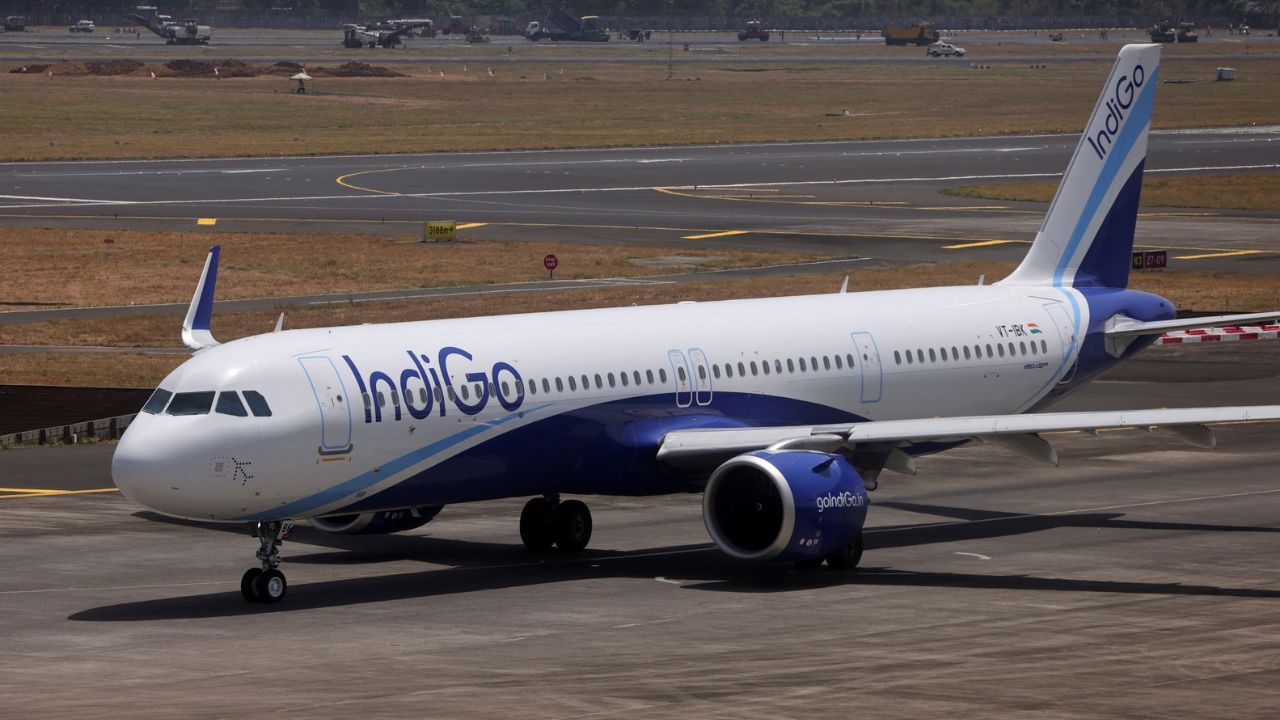
Representational Image
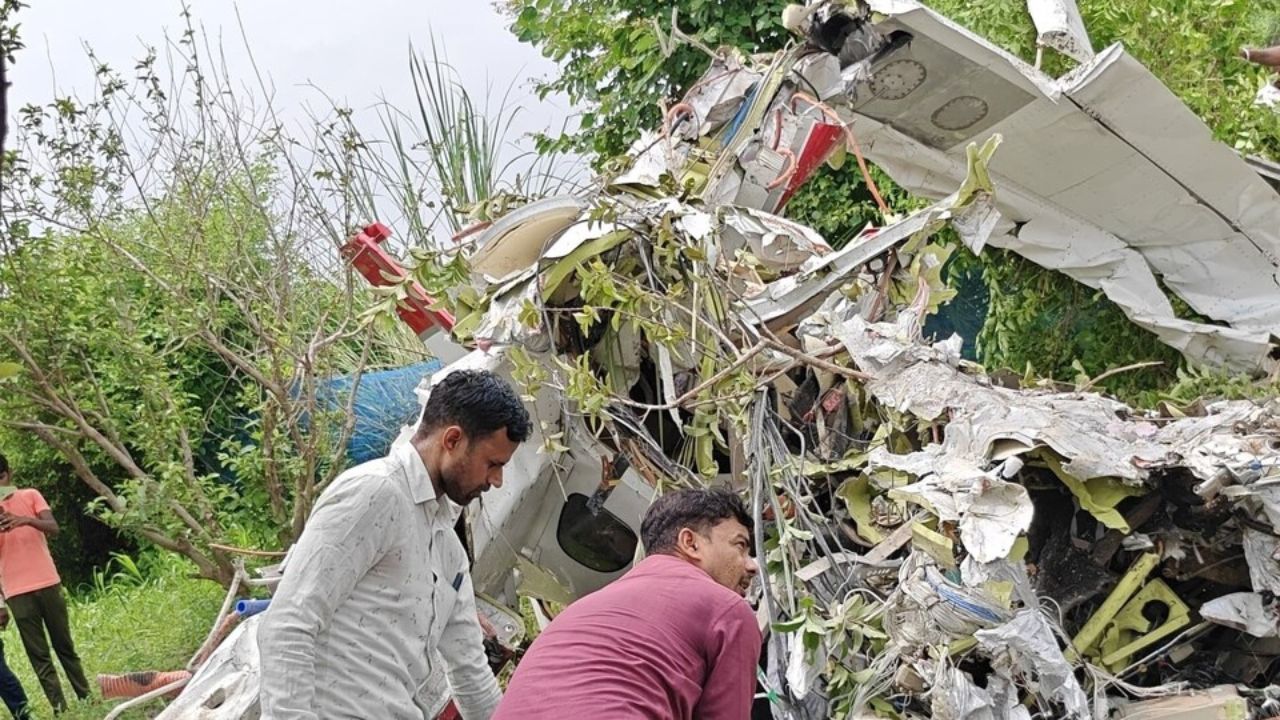
New Delhi: A major aviation tragedy unfolded on Thursday when a passenger aircraft crashed shortly after takeoff in Ahmedabad, Gujarat. According to reports, the plane was flying from Ahmedabad to London when the accident occurred.
Moments before the crash, the pilot issued a Mayday call to Air Traffic Control (ATC), indicating a critical emergency onboard.
Pilot Sent Distress Call, No Response Afterward: DGCA
In an official statement, the Directorate General of Civil Aviation (DGCA) confirmed that the Air India aircraft made a Mayday call but failed to respond to ATC communications afterward.
According to a report the DGCA, ATC attempted to contact the aircraft shortly after receiving the distress signal, but there was no reply.
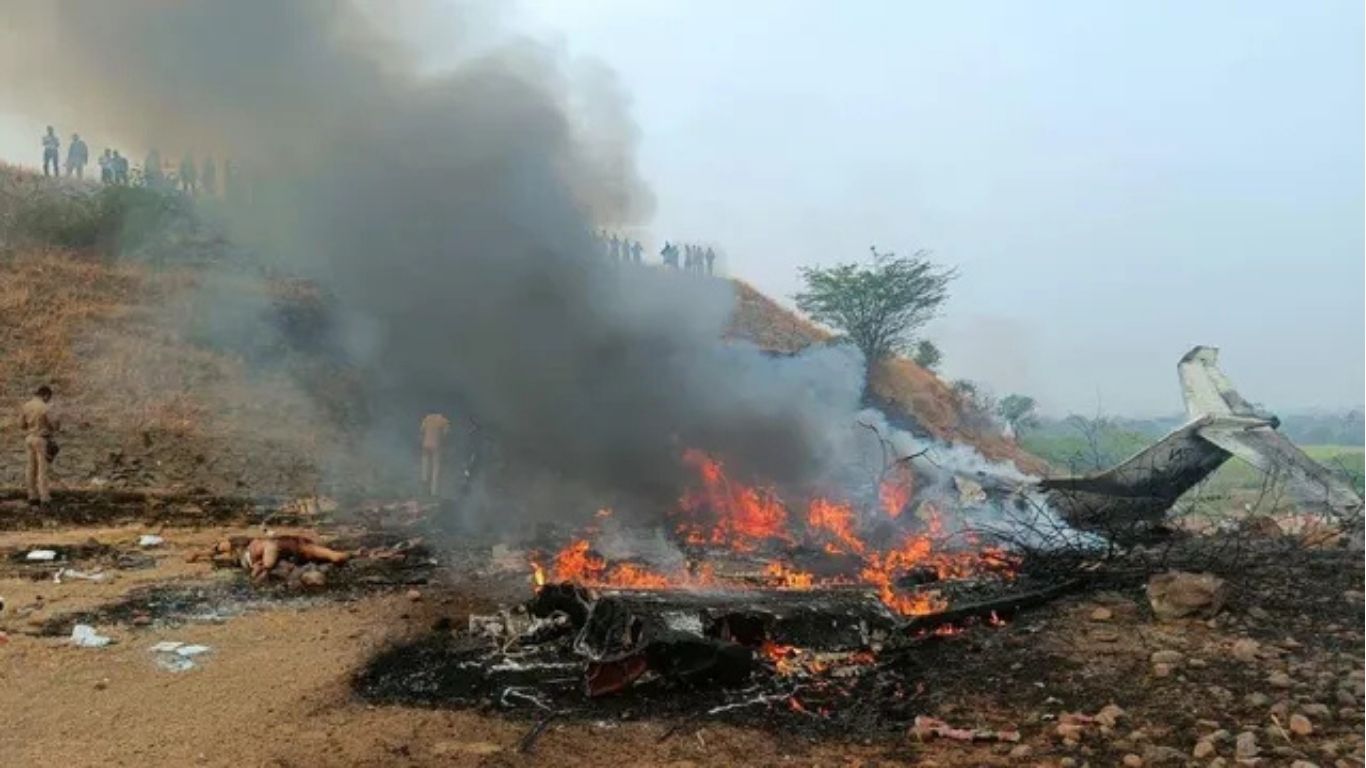
The aircraft reportedly crashed just outside the airport boundary soon after lifting off from the runway. Thick black smoke was seen rising from the crash site, causing panic in the surrounding area.
What Is a Mayday Call?
In aviation terminology, a Mayday call is the most serious emergency signal, used when lives are in immediate danger. It is primarily used by aircraft and ships, and can also be heard in severe emergencies during firefighting or police operations.
To clearly indicate distress, the word “Mayday” is spoken three times in succession. This repetition ensures the call is not confused with routine radio communication.
What Information Is Included in a Mayday Call?
According to the US Federal Aviation Administration (FAA), a Mayday call follows a fixed format and usually includes:
The Mayday call originated in 1921. A senior radio officer in London, Frederick Stanley Mockford, was asked to identify a simple and universally understandable distress word for pilots and ground staff.