English
 English

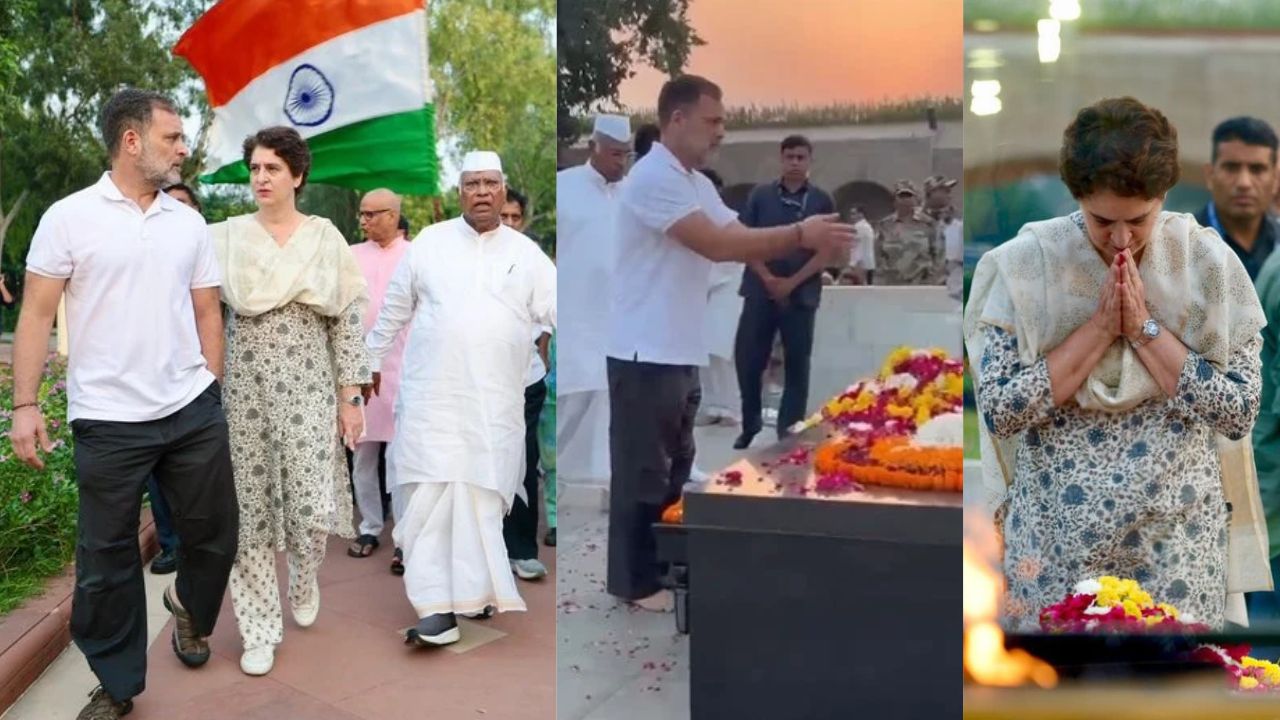
Arvind Kejriwal and Manish Sisodia reached Rajghat
New Delhi: The legal and political battle of the Delhi excise policy case sharpened on Tuesday as Aam Aadmi Party (AAP) chief Arvind Kejriwal announced he would undertake a “Satyagraha” at Rajghat, even as the Delhi High Court firmly rejected his plea seeking the recusal of Justice Swarana Kanta Sharma from hearing the matter.
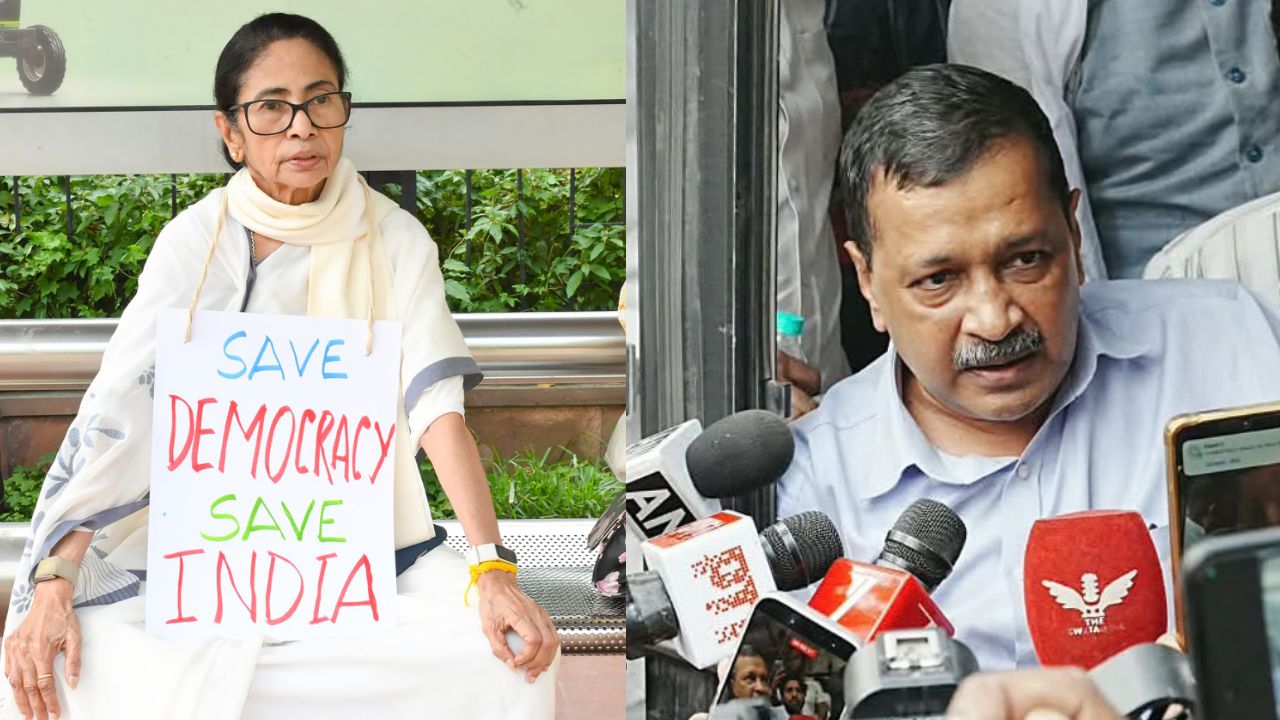
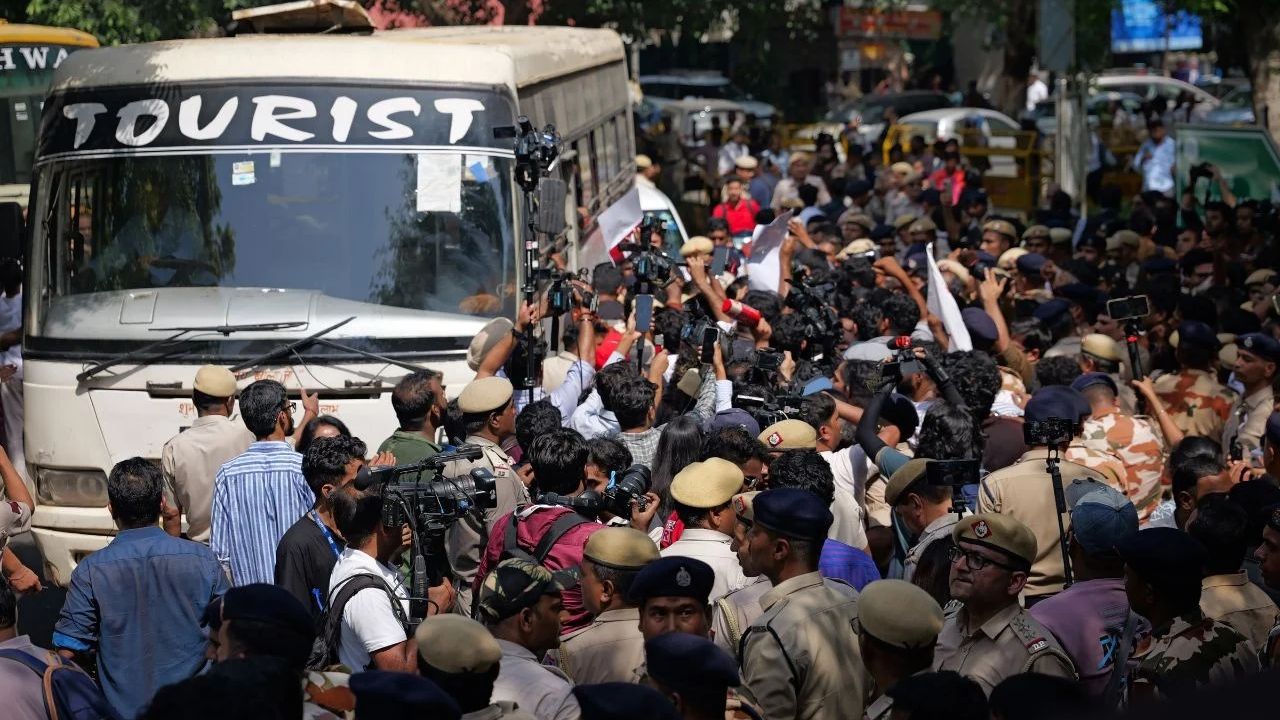
Kejriwal, accompanied by senior AAP leaders including Manish Sisodia, visited Rajghat earlier in the day, invoking Mahatma Gandhi’s principle of Satyagraha to protest what he described as an “unusual situation” in his ongoing legal battle. He maintained that he continues to respect the judiciary, noting that courts had earlier granted him relief, but said he now felt compelled to adopt a moral and peaceful form of protest.
Kejriwal says no hope of Justice; Refuses to appear before Justice Swarna Kanta Sharma
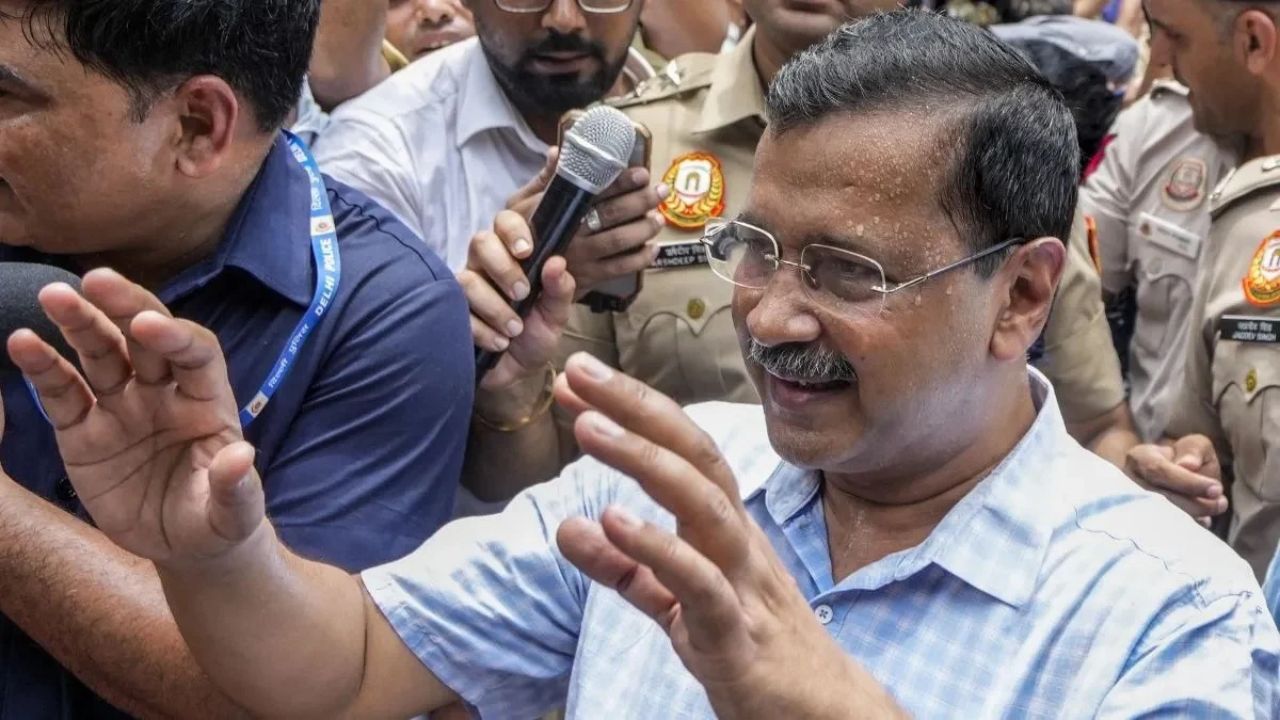
The move comes amid a standoff with the High Court, where both Kejriwal and Sisodia have declined to appear before the bench of Justice Sharma. The dispute escalated after the court dismissed Kejriwal’s application seeking the judge’s recusal from the case.
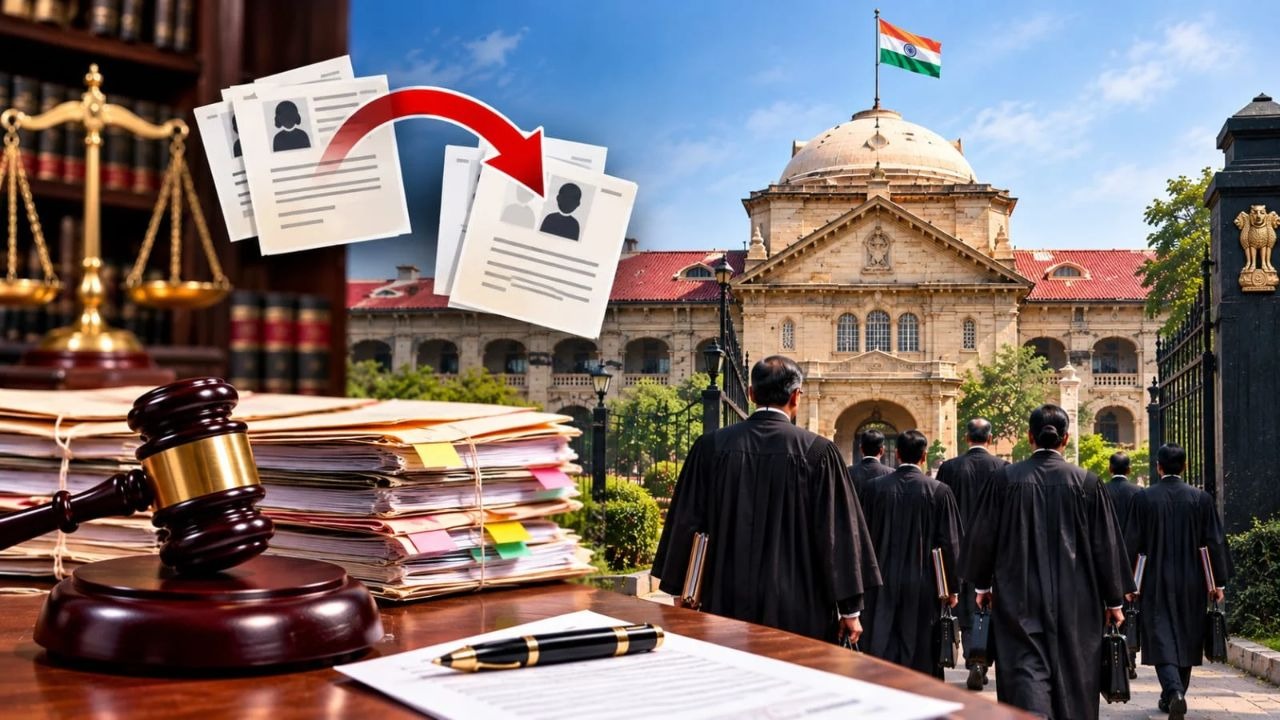
In a detailed order, the Delhi High Court held that the allegations raised against Justice Sharma did not meet the legal threshold required to establish a reasonable apprehension of bias. The court observed that the claims were “based on conjectures and insinuations” rather than supported by concrete evidence.
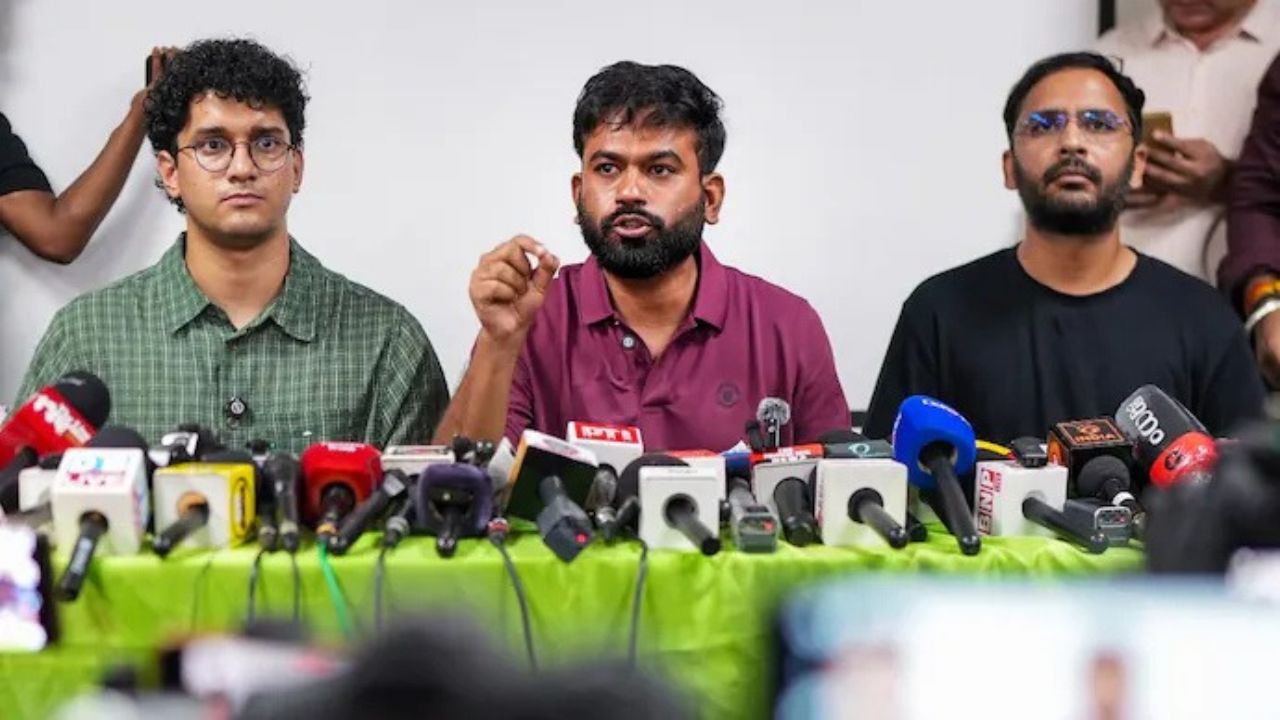
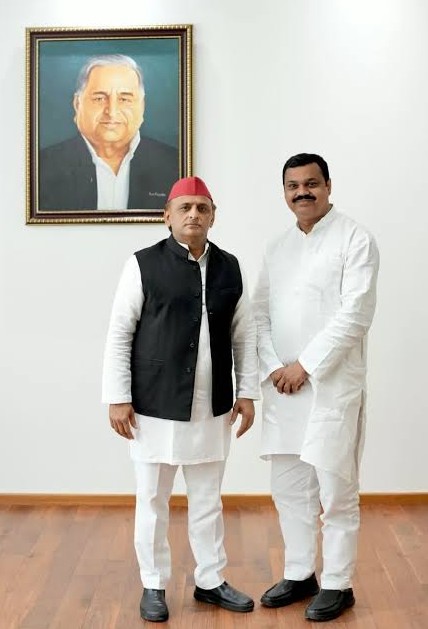
Why Sandeep Pathak’s exit hurts Arvind Kejriwal more than Raghav Chadha?
Rejecting the plea, the bench underscored that recusal cannot be sought merely on the basis of perceptions, doubts, or the apprehension that a ruling may not be favourable. It stressed that such requests must be grounded in objective facts and credible material.
The court further cautioned that entertaining unsubstantiated recusal pleas could erode public confidence in the judicial system and weaken institutional integrity. It emphasized that the independence and credibility of the judiciary must be preserved against attempts that could set adverse precedents.
The development marks a rare intersection of courtroom proceedings and political protest, adding a new dimension to the already contentious Delhi excise policy case.