 English
 English

Daughter-In-Law Not Legally Bound To Support In-Laws
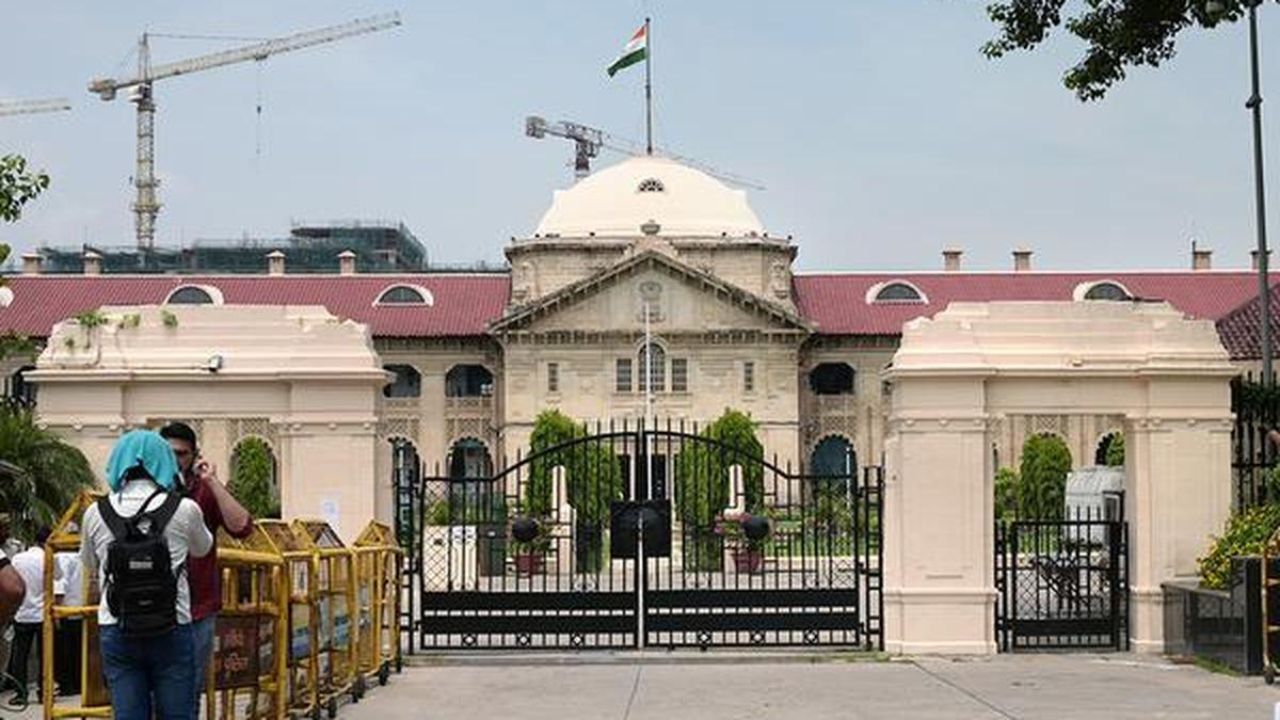
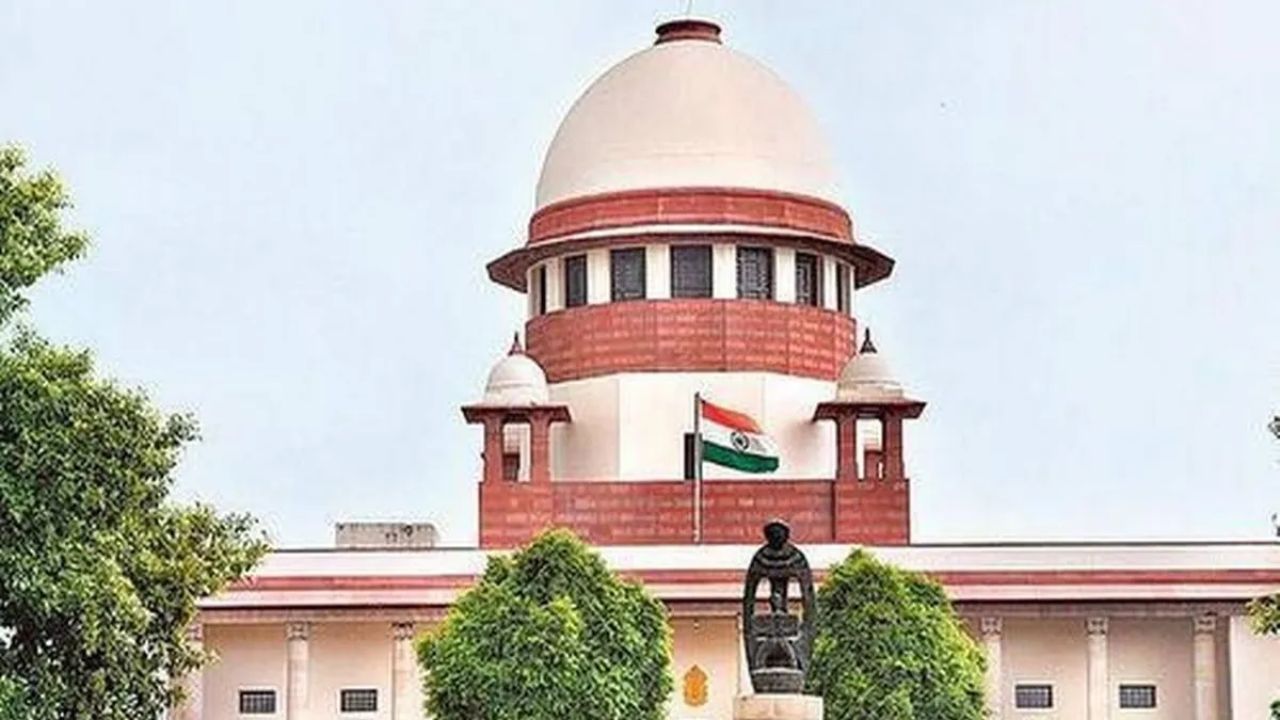
Lucknow: The Allahabad High Court has ruled that a daughter-in-law is not legally bound to provide financial support to her in-laws, reaffirming that moral obligations cannot be enforced as legal duties.
The decision came while dismissing a petition filed by an elderly couple seeking maintenance from their daughter-in-law following the death of their son.
The petitioners had approached the high court after a family court rejected their plea in August last year. The couple stated that they were elderly, financially dependent and had relied on their son, who served as a constable in the Uttar Pradesh Police.
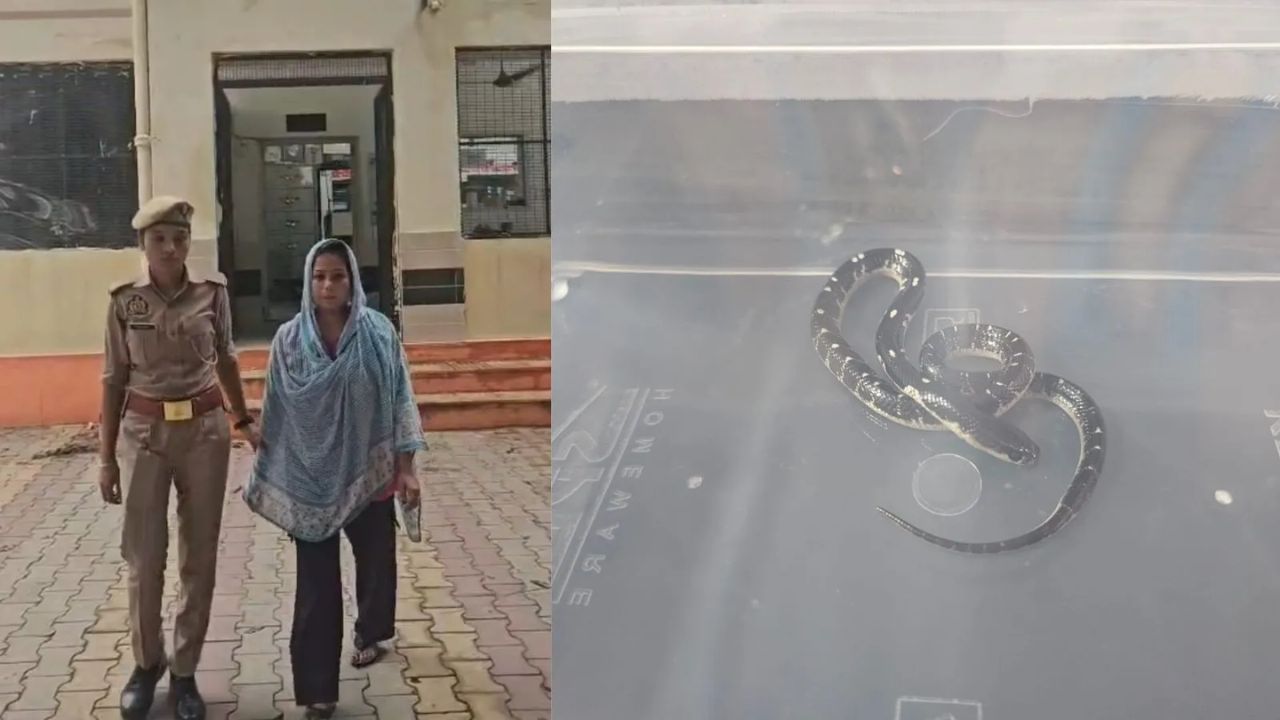
After their son’s death in 2021, they sought financial support from their daughter-in-law, who is also employed as a constable. They argued that she had a stable income and had received benefits after their son’s demise, and therefore had a moral duty to maintain them.
The bench, led by Justice Madan Pal Singh, examined the provisions of the Bharatiya Nagarik Suraksha Sanhita, particularly Section 144, which deals with maintenance.
The court clarified that the law allows maintenance claims by specific dependents such as spouses, children and parents. However, it does not include parents-in-law within its scope.
“The legislature has not included parents-in-law within the ambit of the provision,” the court observed, underlining that such liability cannot be imposed without explicit legal backing.
In its judgment, the court drew a clear distinction between ethical expectations and enforceable rights. While acknowledging that a moral obligation may exist in certain circumstances, it emphasised that courts cannot enforce such duties unless they are supported by statutory provisions.
Married man living with another woman not a crime: Allahabad High Court
The bench further noted that there was no evidence to suggest that the daughter-in-law had secured her job on compassionate grounds after her husband’s death, which could have influenced the claim.
With these observations, the high court upheld the earlier family court ruling and dismissed the plea. The judgment reinforces the principle that maintenance rights are strictly governed by law, not by moral considerations alone.
The ruling is likely to have wider implications in similar family disputes, clarifying the limits of legal responsibility within extended family structures.